NanoActive™ r-Retinoate

NanoActive™ r-Retinoate

A new-generation, high-performance vitamin A active

8×RETINOL POWERHigh efficacy at low concentration · High stability · Potential for high tolerabilityA new-generation hybrid retinoid INCI Retinyl Retinoate

PuriPharm Co. Ltd.

Source:Structure: PubChem CID 10303376. The 8× claim refers only to the low-concentration in vitro collagen synthesis experiment detailed in “8× Retinol-Level Collagen Performance.”

01 MOLECULAR DESIGN

The traditional vitamin A trade-off

Traditional vitamin A actives rarely combine activity, stability, and tolerability

Retinoid Core attribute Key limitation
Retinoic Acid High activity Higher irritation potential and greater restrictions on use
Retinol Gold standard Sensitive to light, heat, oxygen, and other factors
Retinyl Esters High stability Usually lower biological activity

High activity + High stability + High tolerability

What if one vitamin A molecule could offer all three?

Next: the hybrid retinoid architecture

Source:Kim H, Kim B, Kim H, et al. “Synthesis and in vitro biological activity of retinyl retinoate, a novel hybrid retinoid derivative.” Bioorganic & Medicinal Chemistry. 2008;16(12):6387–6393. DOI: 10.1016/j.bmc.2008.05.005.

01 MOLECULAR DESIGN

Hybrid Retinoid molecular architecture

One molecule combines the structural logic of two classic retinoids

RETINOL + RETINOIC ACID

Esterification forms RETINYL RETINOATE

No. Design logic
01 Block the Retinoic Acid carboxyl group
02 Preserve the key retinoid ring structure and polyene chain
03 Rebalance activity, stability, and tolerability

Source:Kim H, Kim B, Kim H, et al. “Synthesis and in vitro biological activity of retinyl retinoate, a novel hybrid retinoid derivative.” Bioorganic & Medicinal Chemistry. 2008;16(12):6387–6393. DOI: 10.1016/j.bmc.2008.05.005. Structure: PubChem CID 10303376.

01 MOLECULAR DESIGN

NanoActive™ r-Retinoate · Product overview

Core molecular information and market positioning

Item Information
Product NanoActive™ r-Retinoate
INCI name Retinyl Retinoate
Category Hybrid RetinoidVitamin A derivativeAnti-aging active
Molecular data Formula C₄₀H₅₆O₂Molecular weight 568.87CAS 15498-86-9
Absorption maximum λmax 333 nm; Retinol 323 nm

8× Retinol collagen performancePhotostable retinoidImproved thermal stabilityDirect retinoid bioactivityHyaluronan boostHigh efficacy at low concentrationSkin and scalp applicationsCompatible with nano-delivery

Source:PubChem CID 10303376; Kim H, Kim B, Kim H, et al. “Synthesis and in vitro biological activity of retinyl retinoate, a novel hybrid retinoid derivative.” Bioorganic & Medicinal Chemistry. 2008;16(12):6387–6393. DOI: 10.1016/j.bmc.2008.05.005. Appearance, active content, particle size, PDI, carrier composition, recommended use level, pH, addition temperature, and storage conditions must follow the latest PuriPharm TDS / SPEC / COA.

02 COLLAGEN PERFORMANCE

8× Retinol-level collagen performance

Approximately eight times the collagen synthesis response of Retinol at low concentration

8×Collagen biosynthesis at low concentration41.29% ÷ 4.94% ≈ 8.36× Retinol+4.94%Retinyl Retinoate+41.29%

Test concentration: 10⁻⁶% (w/v)

Lower concentration, more collagen

Source:*In an in vitro collagen synthesis experiment at 10⁻⁶% (w/v), Retinyl Retinoate increased collagen synthesis by 41.29%, versus 4.94% with Retinol, equivalent to approximately 8.36×. US7173062B2, “Method for the Improvement of Skin Wrinkles Using Retinyl Retinoate.” See also Kim H, Kim B, Kim H, et al. “Synthesis and in vitro biological activity of retinyl retinoate, a novel hybrid retinoid derivative.” Bioorganic & Medicinal Chemistry. 2008;16(12):6387–6393. DOI: 10.1016/j.bmc.2008.05.005.

02 COLLAGEN PERFORMANCE

Lower concentration, more collagen

Retinyl Retinoate shows strong collagen synthesis performance even at low concentrations

Concentration Retinoic Acid Retinol Retinyl Palmitate Retinyl Retinoate
0.1 μM 1% — — 1.5%
1 μM 14% 10% 2% 14%
10 μM 52% 42% 14% 48%

High efficacy at low concentration

Outperforms Retinol in the low-concentration range and approaches Retinoic Acid at some concentrations

Metric: increase in collagen synthesis (%)

Source:Kim H, Kim B, Kim H, et al. “Synthesis and in vitro biological activity of retinyl retinoate, a novel hybrid retinoid derivative.” Bioorganic & Medicinal Chemistry. 2008;16(12):6387–6393. DOI: 10.1016/j.bmc.2008.05.005. Redrawn from Figure 6. Bar values are visual readings from the axes and preserve the trend reported in the article.

02 COLLAGEN PERFORMANCE

A retinoid with direct biological activity

The molecule can display retinoid activity without first undergoing complete hydrolysis

Route Sequence Interpretation
Traditional Retinyl Ester Retinyl Ester → Retinol → Retinal → Retinoic Acid → RAR Requires multiple conversion steps before entering RAR signaling
Retinyl Retinoate Retinyl Retinoate → observed biological effect Direct retinoid activity

HPLC evidence

After two days of incubation with normal human skin fibroblasts, HPLC detected no new peaks corresponding to Retinol or Retinoic Acid.

The authors therefore attributed the observed biological activity to the molecule itself rather than simple hydrolysis.

Not an ordinary retinyl ester

Source:Kim H, Kim B, Kim H, et al. “Synthesis and in vitro biological activity of retinyl retinoate, a novel hybrid retinoid derivative.” Bioorganic & Medicinal Chemistry. 2008;16(12):6387–6393. DOI: 10.1016/j.bmc.2008.05.005.

02 COLLAGEN PERFORMANCE

Promotes synthesis and limits degradation

Bidirectional collagen management through RAR, AP-1, and collagen signaling

Photoaging cascade Direction associated with NanoActive™ r-Retinoate
UV / environmental stress → c-Jun / AP-1 ↑ → collagenase / MMP ↑ → collagen degradation → wrinkles Retinoid signaling / RAR → AP-1 / c-Jun ↓
Collagen degradation Promotes synthesis: Collagen Biosynthesis ↑
Increased collagenase / MMP Reduces degradation signals: Collagenase / MMP ↓

52%

Collagenase inhibition

Retinyl Retinoate > Retinol

Source:Kim H, Kim B, Kim H, et al. “Synthesis and in vitro biological activity of retinyl retinoate, a novel hybrid retinoid derivative.” Bioorganic & Medicinal Chemistry. 2008;16(12):6387–6393. DOI: 10.1016/j.bmc.2008.05.005. With RARα expression, collagenase expression was inhibited by approximately 33% with Retinol, 52% with Retinyl Retinoate, and 64% with Retinoic Acid; also supported by US7173062B2, “Method for the Improvement of Skin Wrinkles Using Retinyl Retinoate.”

03 STABILITY & TOLERABILITY

Designed for photostability

Retinoid performance that withstands light exposure

48 h

UVA photostability

The main structure retained markedly greater stability even after 48 hours of UVA exposure.

UVA: 356 nm; observations at 2, 12, 24, and 48 hours

Compound 0 h 2 h 12 h 24 h 48 h
Retinyl Retinoate Baseline Stable Stable Stable Only minor noise / no qualitative change
Retinol Baseline Clear degradation No longer reliably identified qualitatively No longer reliably identified qualitatively No longer reliably identified qualitatively

λmax: Retinol 323 nm; Retinyl Retinoate 333 nm

Source:Kim H, Kim B, Kim H, et al. “Synthesis and in vitro biological activity of retinyl retinoate, a novel hybrid retinoid derivative.” Bioorganic & Medicinal Chemistry. 2008;16(12):6387–6393. DOI: 10.1016/j.bmc.2008.05.005.; US7173062B2, “Method for the Improvement of Skin Wrinkles Using Retinyl Retinoate.” Photostability experiment: UVA 356 nm and qualitative ¹H NMR. “48 h” is the study duration, not a direct quantitative claim of percentage remaining.

03 STABILITY & TOLERABILITY

Stability beyond light exposure

Thermal stability was clearly better than Retinol after four weeks under accelerated conditions

Four-week condition Retinol remaining Retinyl Retinoate remaining
Room temperature 52.23% 89.21%
40°C 34.51% 68.23%
4°C 95.52% 99.65%

Improved thermal stabilityMore robust formulationsMore reliable retinoid performance

Source:US7173062B2, “Method for the Improvement of Skin Wrinkles Using Retinyl Retinoate.” Thermal stability experiment: HPLC quantification after four weeks at room temperature, 40°C, and 4°C.

03 STABILITY & TOLERABILITY

High performance with greater mildness

A wider cellular tolerance window and evidence from a human occlusive patch test

In vitro MTT IC₅₀
+60%IC₅₀ versus RetinolLower cytotoxicity in this in vitro model In vitro MTTIC₅₀Retinol25 μMRetinyl Retinoate40 μM
24 h human occlusive patch test Concentration Irritation index; lower is better
Retinol 0.075% 2.5
r-Retinoate 0.075% 1.3
r-Retinoate 0.30% 1.3
r-Retinoate 0.55% 1.3

High performance and low irritation in the same profile

Source:Kim H, Kim B, Kim H, et al. “Synthesis and in vitro biological activity of retinyl retinoate, a novel hybrid retinoid derivative.” Bioorganic & Medicinal Chemistry. 2008;16(12):6387–6393. DOI: 10.1016/j.bmc.2008.05.005. Normal human skin fibroblast MTT assay: IC₅₀ 40 μM versus 25 μM for Retinol. Human occlusive patch data: US7173062B2, “Method for the Improvement of Skin Wrinkles Using Retinyl Retinoate.”

04 BEYOND COLLAGEN

7.8× hyaluronan production

Extending from wrinkle care to hydration, plumpness, and barrier support

7.8×

Hyaluronan production

Primary human keratinocytes; 1 μM / 24 hRetinaldehyde ≈ 7.6× control

Mechanistic path Outcome
Retinyl Retinoate → HAS2 ↑ Hyaluronan ↑
Hyaluronan ↑ → CD44 interaction Hydration · ECM support · Homeostasis

Retinyl Retinoate upregulated HAS2 and increased CD44-related expression.

Source:Kim JE, Kim B, Kim H, et al. “Retinyl retinoate induces hyaluronan production and less irritation than other retinoids.” Journal of Dermatology. 2010;37(5):448–454. DOI: 10.1111/j.1346-8138.2010.00808.x. In primary human keratinocytes, Retinyl Retinoate at 1 μM for 24 h induced hyaluronan production to approximately 7.8 times the control level.

04 BEYOND COLLAGEN

High activity with less barrier disruption

Lower TEWL impact at the same 0.05% concentration

Retinoid Relative TEWL / barrier disruption ranking
Retinyl Retinoate Lowest
Retinol Low
Retinoic Acid High
Retinaldehyde High

7.8× hyaluronan production + lower TEWL disruption

A better balance of efficacy and tolerability

Source:Kim JE, Kim B, Kim H, et al. “Retinyl retinoate induces hyaluronan production and less irritation than other retinoids.” Journal of Dermatology. 2010;37(5):448–454. DOI: 10.1111/j.1346-8138.2010.00808.x. Hairless-mouse TEWL model with 0.05% comparative application. The ranking redraws the irritation order reported in the article.

05 CLINICAL EVIDENCE

Human evidence with a Retinol comparator

Uncommon direct human comparison against Retinol

0.06%Retinyl RetinoateSignificantly better than 0.075% Retinol 46Korean women · Periorbital wrinklesTwo randomized clinical studies
Study Duration and completers Intervention Frequency
Study 1 12 weeks; 24 completed 0.06% Retinyl Retinoate versus placebo Twice daily
Study 2 8 weeks; 22 completed 0.06% Retinyl Retinoate versus 0.075% Retinol Twice daily

Assessments: global photoaging score · photographs · skin replicas · Visiometer

Wrinkles improved significantly with Retinyl Retinoate versus placebo and Retinol.

Source:Kim H, Kim N, Jung S, et al. “Improvement in skin wrinkles from the use of photostable retinyl retinoate: a randomized controlled trial.” British Journal of Dermatology. 2010;162(3):497–502. DOI: 10.1111/j.1365-2133.2009.09483.x. Skin-replica analysis showed significant improvement, particularly in mean roughness.

05 CLINICAL EVIDENCE

22% greater improvement in maximum roughness

A 12-week double-blind randomized comparison versus 0.075% Retinol

Study design Information
+22%R2 maximum roughnessImprovement rate versus Retinol Study designInformationDesignProspective · Double-blind · Randomized · ControlledParticipants11 Korean women; 35–56 yearsDuration / frequency12 weeks; twice dailyComparison0.06% Retinyl Retinoate versus 0.075% RetinolAnalysisVisiometer R2; 12-week head-to-head comparison

Validated dimensions: fine-line reduction, elasticity, visual wrinkle grade, skin roughness, and dermal distance / intensity.

Source:Kim H, Koh J, Baek J, et al. “Retinyl retinoate, a novel hybrid vitamin derivative, improves photoaged skin: a double-blind, randomized-controlled trial.” Skin Research and Technology. 2011;17(3):380–385. DOI: 10.1111/j.1600-0846.2011.00512.x. At 12 weeks, the improvement rates for visual wrinkles and R2 maximum roughness were 22% higher than with Retinol.

05 CLINICAL EVIDENCE

Beyond anti-aging

Retinoid science for blemish-prone and oily skin

Protocol: 0.05% Retinyl Retinoate · 8 weeks · double-blind · vehicle-controlled · split-face; 15 women with mild-to-moderate acne.

Eight-week outcome Vehicle Retinyl Retinoate
Total lesion count −26.47% −38.58%
Inflammatory lesions −35.14% −43.62%
Non-inflammatory lesions −19.79% −33.98%

−27.18%

Forehead sebum

Baseline 104.86 μg/cm²; week 8: 76.36 μg/cm²

Blemish-prone skin careSebum balanceFollicular keratinization careClearer-looking skin

Source:Kim B, et al. “Retinyl Retinoate, a Retinoid Derivative Improves Acne Vulgaris in Double-blind, Vehicle-controlled Clinical Study.” Tissue Engineering and Regenerative Medicine. 2013;10(5):260–265. DOI: 10.1007/s13770-012-1088-z. Percentages are reductions in lesion counts after eight weeks; the change in sebum was statistically significant.

06 DELIVERY PLATFORM

Molecule × nano-delivery

Unlocking the full potential of r-Retinoate

Retinyl Retinoate is highly lipophilic, so formulation must solve several engineering challenges:

01 Dispersibility02 Stability03 Drug loading04 Skin delivery05 Controlled release

RETINYL RETINOATE + Nano-delivery

A performance-optimized retinoid delivery system

Published NLC feasibility evidence Value
Particle size 230–300 nm
PDI No value listed in the source slide
PRECIROL-NLC encapsulation efficiency 97.8%
COMPRITOL-NLC encapsulation efficiency 93.8%

These values describe a published NLC system and are not specifications for NanoActive™ r-Retinoate.

Source:Lee SG, Jeong JH, Kim SR, et al. “Topical formulation of retinyl retinoate employing nanostructured lipid carriers.” Journal of Pharmaceutical Investigation. 2012;42(5):243–250. DOI: 10.1007/s40005-012-0036-1. Particle size, PDI, encapsulation efficiency, and carrier parameters for NanoActive™ itself must follow authentic PuriPharm TDS / SPEC / COA documents.

06 DELIVERY PLATFORM

Encapsulation amplifies delivery performance

Independent research shows that advanced delivery can further enhance Retinyl Retinoate

Form Exposure / penetration Delivery performance
Free RR Conventional exposure; limited penetration —
Encapsulated RR Improved penetration More efficient delivery; enhanced anti-wrinkle performance

Encapsulation → Improved penetration → More efficient delivery → Enhanced anti-wrinkle performance

+6.05%Visual wrinkle improvement +8.03%R2 maximum roughness

Source:Kim H, et al. “Novel anti-wrinkle effect of cosmeceutical product with new retinyl retinoate microsphere using biodegradable polymer.” Skin Research and Technology. 2012;18(1):70–76. DOI: 10.1111/j.1600-0846.2011.00533.x. Outcomes compare a 3% PLA–retinyl retinoate (2%) microsphere cream with a 0.06% Retinyl Retinoate cream over four weeks. Published PLA microsphere evidence does not represent NanoActive™ technology.

07 APPLICATIONS

From face to scalp

Advanced retinoid science for scalp care

SkinWrinkle careCollagen renewalHyaluronan boostFirmingRefined texturePhotoaging careBlemish-prone skinSebum balance ScalpScalp renewalSebum balanceFollicular keratinization careScalp anti-agingPilosebaceous unit careHealthy follicular environment

Retinoid signaling is present in hair follicles, sebaceous glands, and interfollicular epidermis, and participates in epithelial differentiation, sebaceous biology, and follicular keratinization.

Source:Mechanistic background: Everts HB, Sundberg JP, King LE Jr, Ong DE. “Immunolocalization of enzymes, binding proteins, and receptors sufficient for retinoic acid synthesis and signaling during the hair cycle.” Journal of Investigative Dermatology. 2007;127(7):1593–1604. DOI: 10.1038/sj.jid.5700753. Scalp positioning covers scalp health, anti-aging, oil control, and support for the follicular environment. No direct hair-growth claim should be made without product-specific clinical evidence.

07 APPLICATIONS

One retinoid, multiple performance dimensions

Eight efficacy dimensions create a complete premium active platform

No. Performance dimension
01 8× Collagen Performance
02 Wrinkle Reduction
03 Photostability
04 Thermal Stability
05 Hyaluronan Boost
06 Better Tolerance
07 Blemish & Sebum Care
08 Scalp Renewal

Source:The efficacy dimensions summarize the preceding evidence. Each quantitative claim retains its experimental model, comparator, concentration, and source in the corresponding section.

07 APPLICATIONS

Designed for the next generation of beauty innovation

Premium dual applications across skin and scalp

Skin carePremium anti-aging serumLine-smoothing serumEye serum / eye creamNight repairDay-and-night retinoid productsPhotoaging careFirming and elasticity productsHydrating anti-aging productsBlemish-prone skin careOily-skin serum Scalp and hair careScalp anti-aging essenceScalp anti-aging serumScalp renewal serumOily-scalp serumFollicular environment careLeave-on scalp carePremium scalp ampoule

Formats: serum · cream · lotion · ampoule · eye care · scalp serum · leave-on care

Source:Application guidance is conceptual and based on published Retinyl Retinoate evidence. Recommended use level, pH, addition temperature, solubility, compatibility, storage conditions, and finished-product stability for NanoActive™ r-Retinoate must follow official PuriPharm TDS / SPEC / COA documents. No product-specific parameters are inferred here.

CLOSING

NanoActive™ r-Retinoate

Higher performance at a lower concentration. Redefining next-generation vitamin A anti-aging technology.

8× collagen performancePhotostabilityClinically evaluatedHyaluronan boostNano-delivery

A new-generation, high-performance vitamin A active

PuriPharm Co. Ltd.

Source:*“8× Retinol Power” is a marketing shorthand for an approximately 8.36-fold difference in low-concentration in vitro collagen synthesis performance: 41.29% versus 4.94% at 10⁻⁶% w/v. Source: US7173062B2. It does not mean 8× RAR activation, 8× human wrinkle reduction, 8× lower irritation, or 8× performance across all biological endpoints.

DECARBOXYLATED CARNOSINE

EXECUTIVE SUMMARY

WHY GLYCATION MATTERS

SKIN AGING IS MULTI-FACTORIAL

INGREDIENT BACKGROUND

MECHANISM OVERVIEW

ANTI-GLYCATION MECHANISM

CARBONYL STRESS PROTECTION

ANTIOXIDANT PROTECTION

COLLAGEN & ELASTIN PROTECTION

VISIBLE SKIN BENEFITS

DIFFERENTIATION FROM CARNOSINE

PRODUCT FORM & FORMULATION ADVANTAGES

TECHNICAL SPECIFICATIONS

RECOMMENDED APPLICATIONS

FORMULATION GUIDANCE

SYNERGY OPPORTUNITIES

MARKET POSITIONING

CLAIM LANGUAGE SUGGESTIONS

FORMULATION EXAMPLE — ANTI-GLYCATION SERUM

FORMULATION EXAMPLE — URBAN DEFENSE ESSENCE

QUALITY, STORAGE & HANDLING

WHY CHOOSE PURIPHARM

SUMMARY

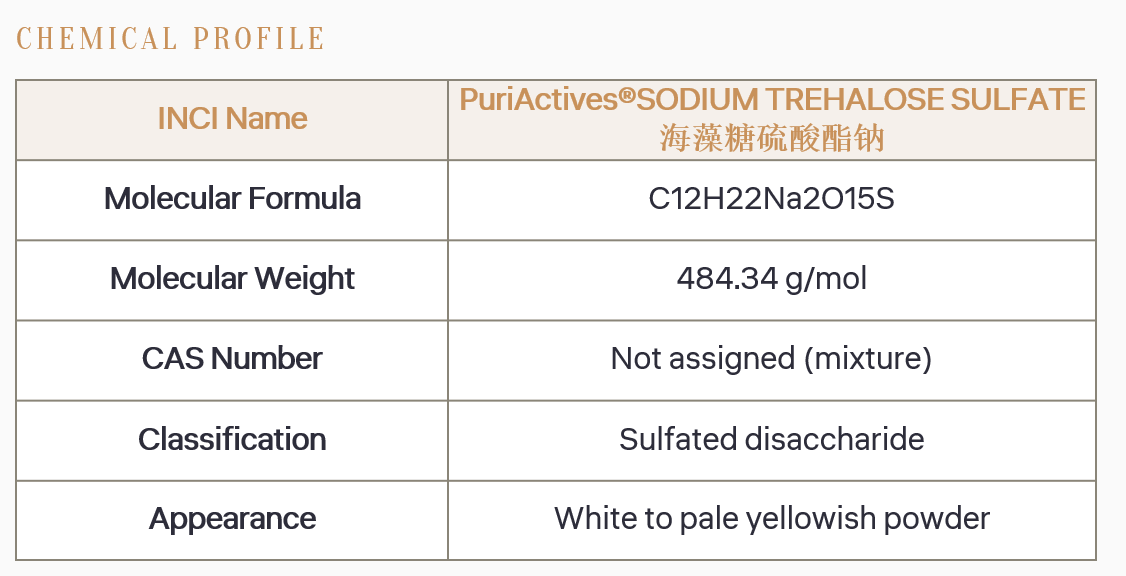
PURIACTIVES® SODIUM TREHALOSE SULFATE

Product Identity & Chemistry

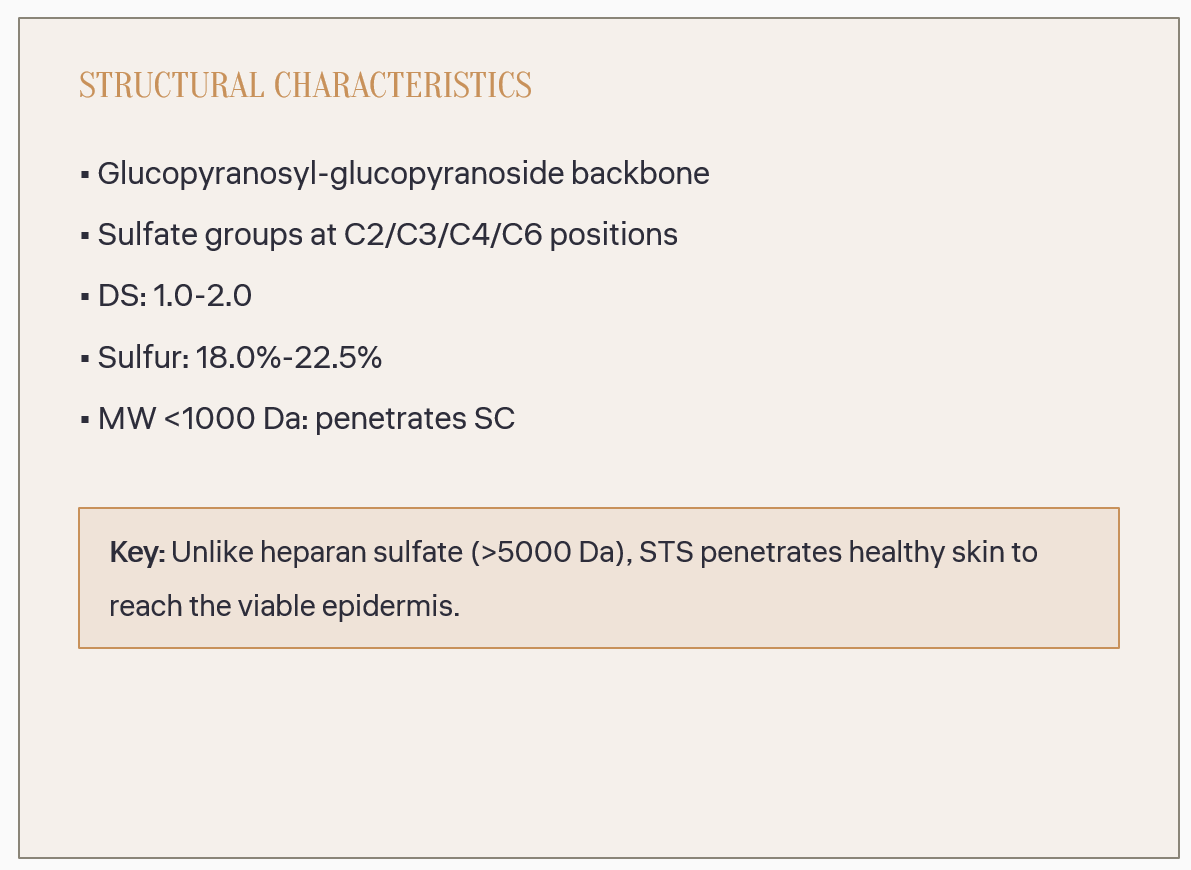
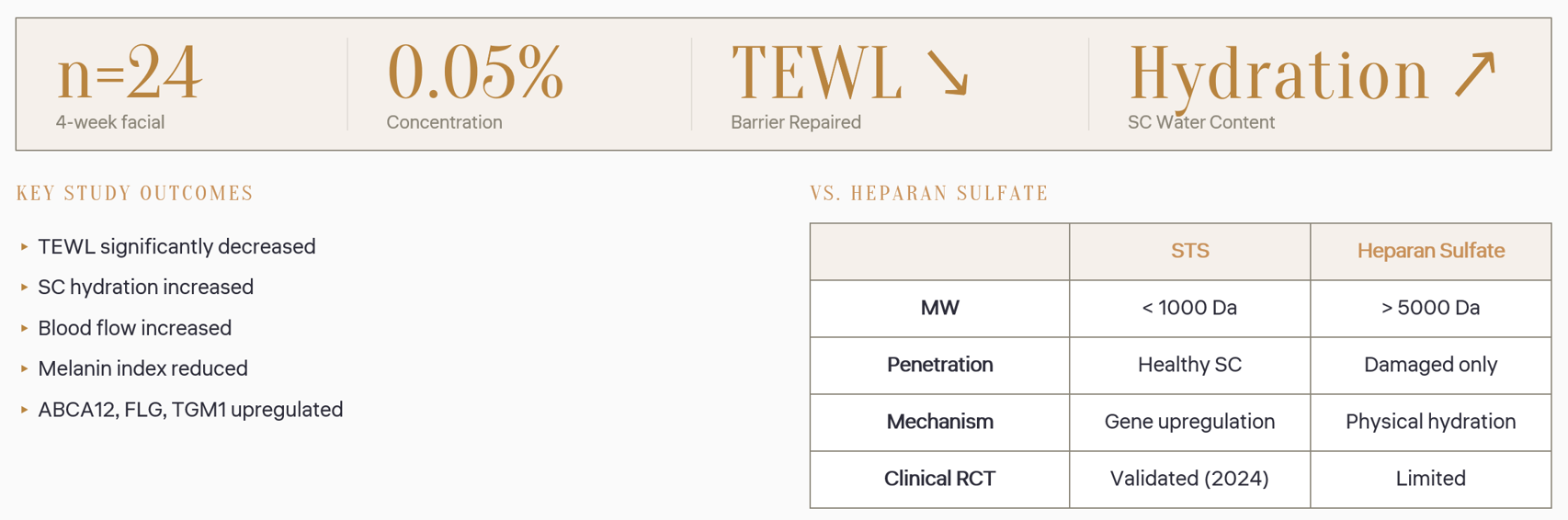
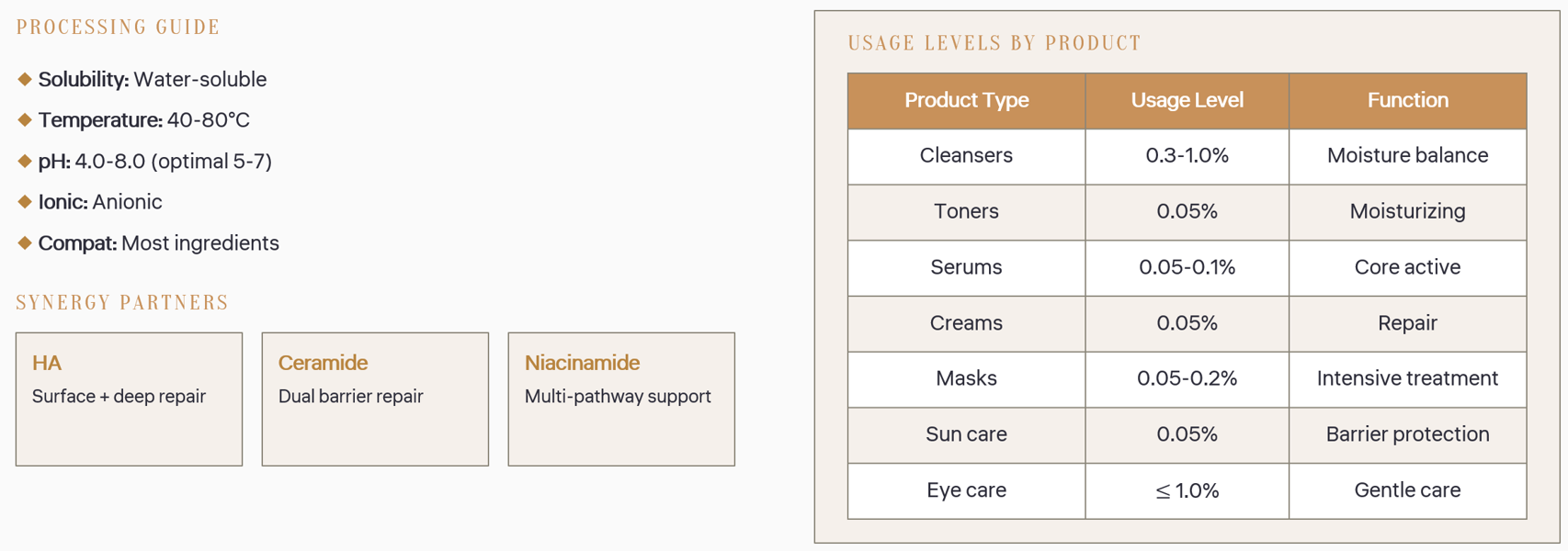
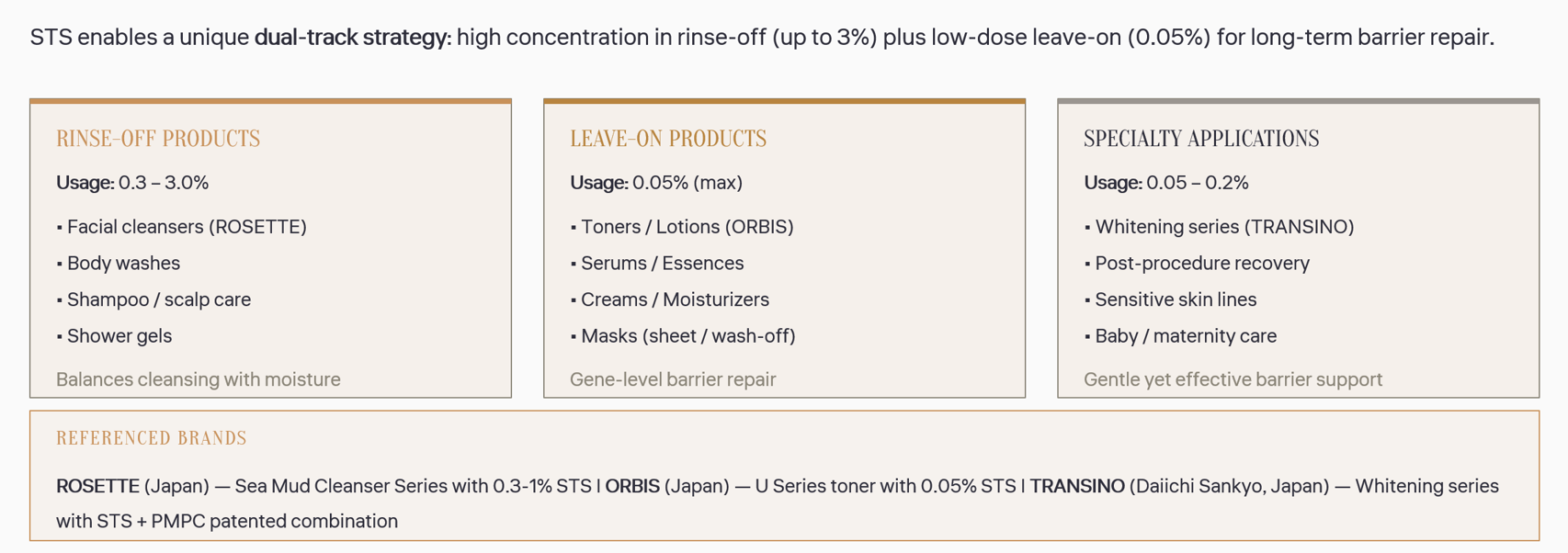
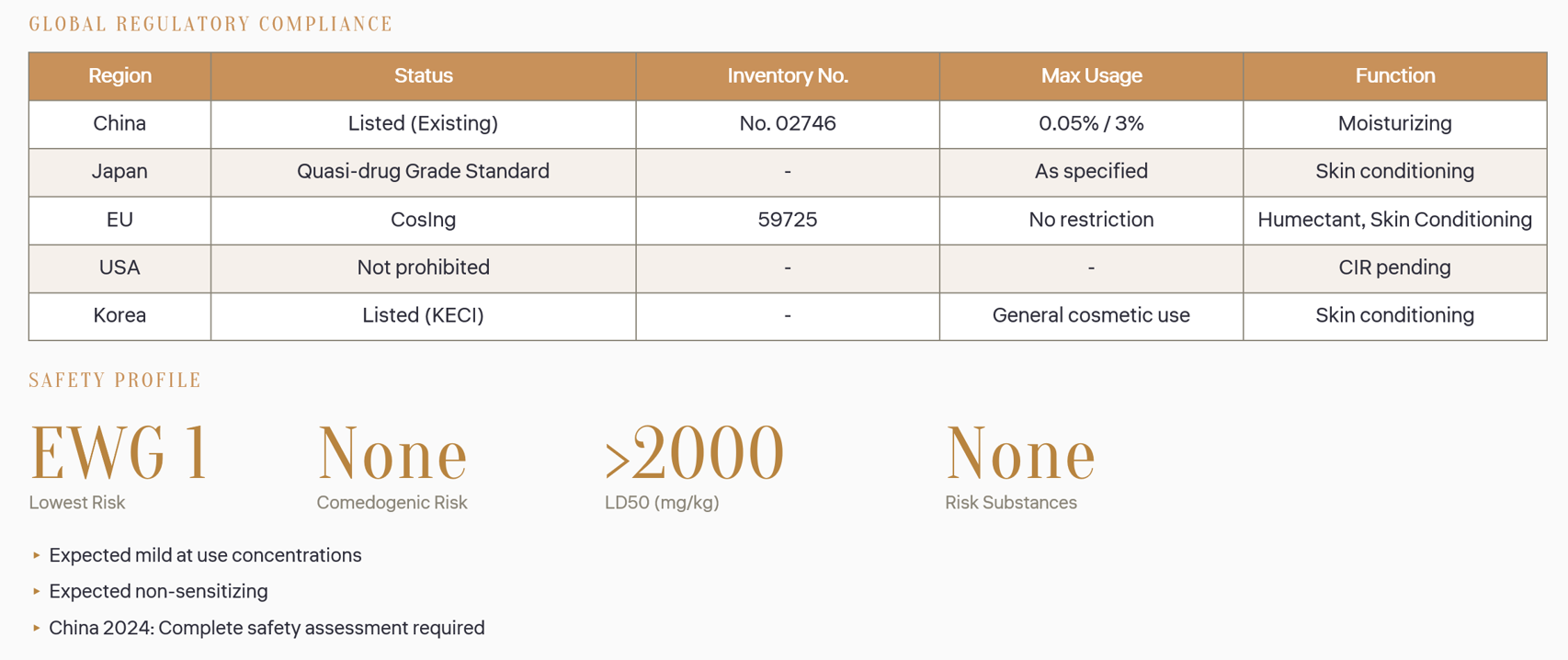
PuriActives®SODIUM TREHALOSE SULFATE is a low-molecular-weight sulfated disaccharide derived from trehalose. Its unique sulfation and small size (<1000 Da) enable penetration of the healthy stratum corneum.

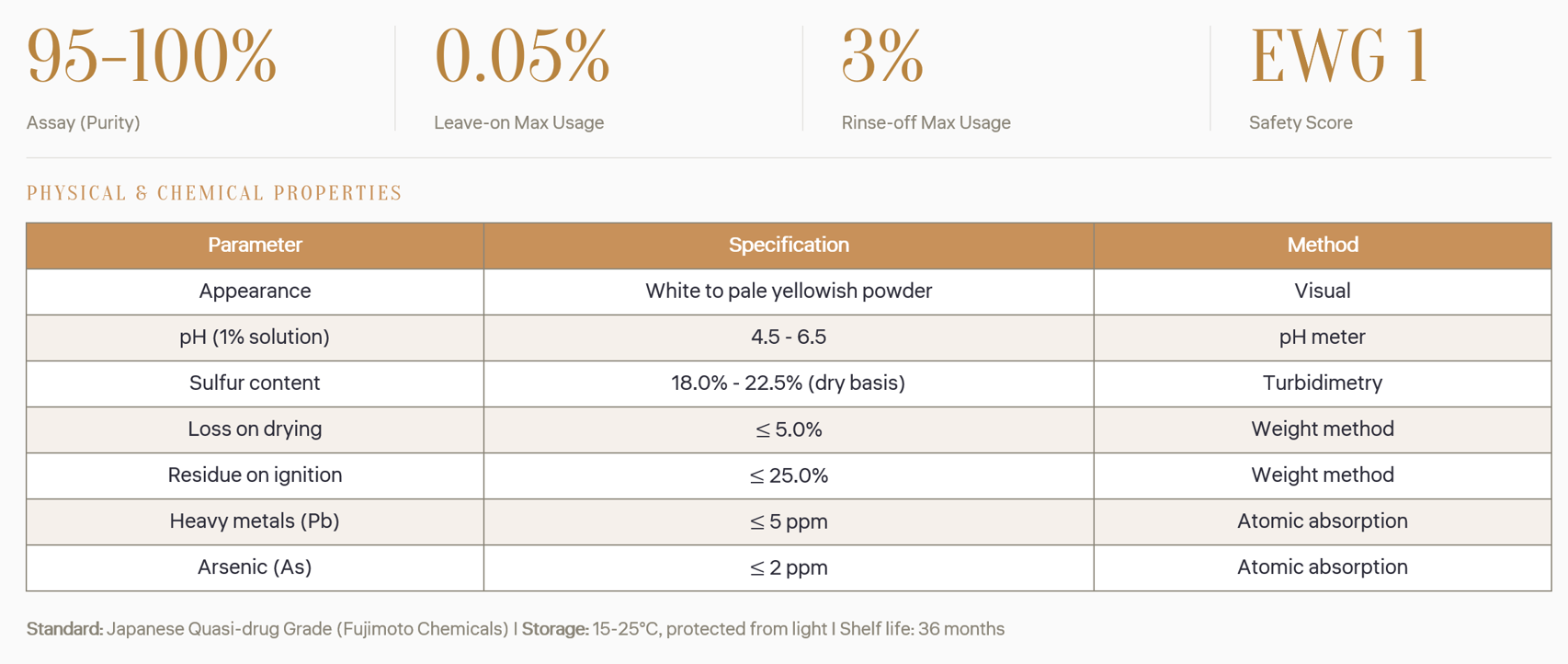
Key Specifications


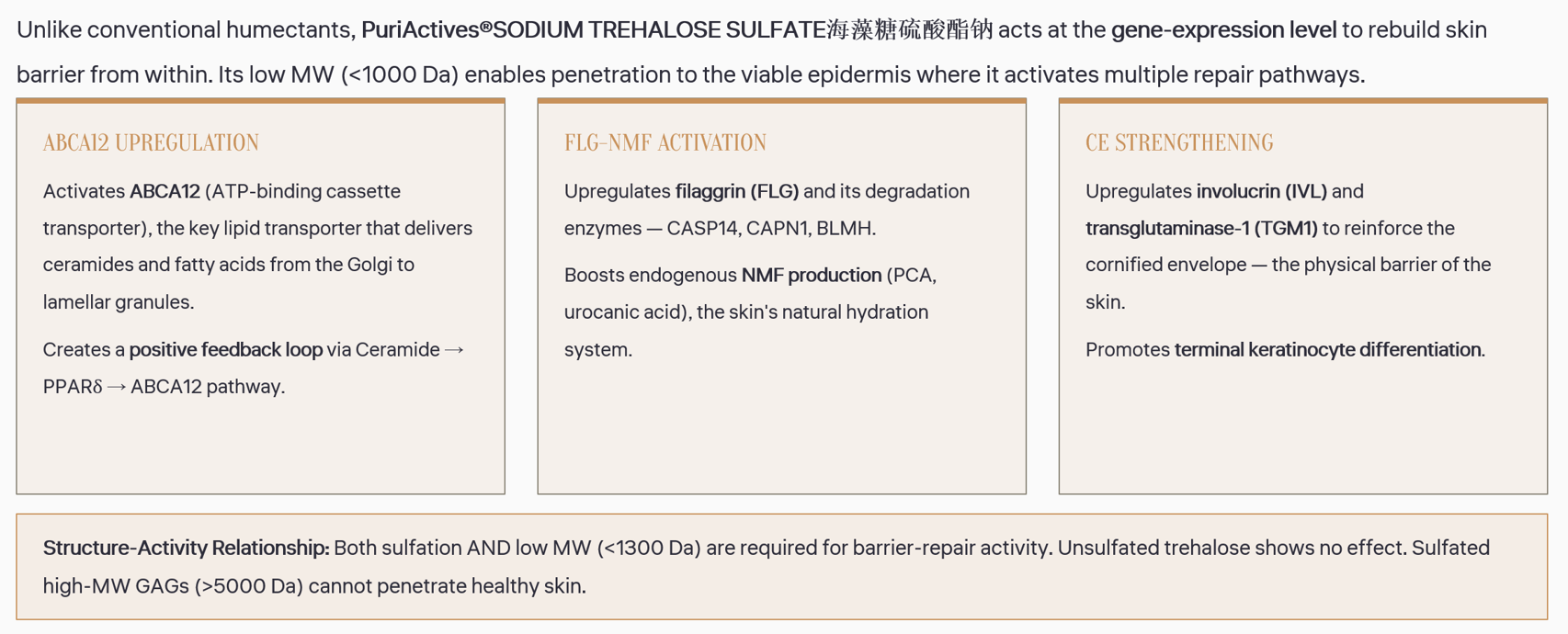
Multi-Target Skin Barrier Repair


Clinical Evidence


Formulation Guidelines


Application Matrix & Concepts


Regulatory Status & Safety

NanoActive 4-TERPINEOL: The Pure Power of Tea Tree, Delivered with Nano-Precision

1. Product Overview

NanoActive 4-TERPINEOL is a highly purified, nanostructured lipid carrier (NLC) encapsulated formulation of 4-Terpineol, the most potent and functional active ingredient naturally found in Melaleuca alternifolia (Tea Tree) oil.

By isolating the highly active 4-Terpineol and utilizing PuriPharm’s proprietary NanoActive™ Delivery Technology, we have created a next-generation active ingredient. It offers exceptional broad-spectrum antimicrobial and anti-inflammatory properties while completely bypassing the classical limitations of traditional essential oils, such as poor water solubility, high volatility, pungent odor, and skin sensitization.

INCI Name: 4-Terpineol, Phospholipids, Glycerin, Water

Appearance: Opalescent to translucent liquid

Recommended Usage: 1.0% – 5.0%

2. The Challenge & The PuriPharm Solution

The Limits of Conventional 4-Terpineol

While 4-Terpineol is scientifically proven to be vastly superior to whole Tea Tree Oil in targeting Cutibacterium acnes and Demodex mites, its use in cosmetic formulations has been severely hindered:

  1. Formulation Incompatibility: Highly lipophilic and totally insoluble in water.
  2. Sensory Issues: Strong, characteristic medicinal odor that is difficult to mask.
  3. Instability: Prone to volatilization and oxidation during storage.
  4. Irritation: High concentrations can compromise the skin barrier and cause erythema.

The NanoActive™ Breakthrough

PuriPharm has engineered a sub-micron encapsulation system (particle size: 10nm – 100nm). The active 4-Terpineol is safely enclosed within a biocompatible phospholipid bilayer.

  • Total Water Solubility: Transforms a highly lipophilic compound into an easily dispersible, clear aqueous system.
  • Odor Masking: The lipid encapsulation significantly reduces the characteristic terpene odor, allowing for elegant, fragrance-free formulations.
  • Targeted Follicular Delivery: The lipophilic nature of the nanocarrier ensures targeted accumulation in the pilosebaceous unit, precisely where C. acnes and sebum reside.
  • Sustained Release & Zero Irritation: Controlled release kinetics prevent immediate spikes in local concentration, minimizing irritation and extending efficacy.

3. Mechanism of Action & Efficacy

A. Broad-Spectrum Antimicrobial & Anti-Parasitic Activity

NanoActive 4-TERPINEOL acts directly on the microbial cell membrane, disrupting its integrity without inducing bacterial resistance.

  • Acne Management: Exhibits a remarkably low Minimum Inhibitory Concentration (MIC) against Cutibacterium acnes and Staphylococcus aureus.
  • Scalp & Dandruff: Highly effective against Malassezia furfur, balancing the scalp microbiome.
  • Rosacea & Demodex: A proven, potent agent for paralyzing and eradicating Demodex folliculorum (face mites), a key trigger for rosacea and adult acne.

B. Immunomodulation & Inflammation Reduction

Beyond microbial control, 4-Terpineol actively suppresses the production of pro-inflammatory mediators. It inhibits the release of cytokines such as TNF-α, IL-1β, IL-8, and PGE2 from activated monocytes, rapidly reducing the clinical signs of inflammation, erythema, and swelling associated with acne lesions.

4. Cosmetic Applications

NanoActive 4-TERPINEOL is a versatile, high-performance active suitable for a wide range of dermatological and personal care applications:

  • Anti-Acne & Blemish Control: Serums, spot treatments, and purifying toners.
  • Sensitive Skin & Rosacea Care: Soothing lotions and barrier-repair creams.
  • Advanced Scalp Care: Anti-dandruff shampoos and scalp-purifying treatments.
  • Intimate Care: Gentle, pH-balanced washes for microbiome control.
  • Men’s Grooming: Aftershave balms to prevent folliculitis.

5. Formulation Guidelines

PuriPharm guarantees ease of use for formulators:

  • Solubility: Readily dispersible in water and cold-processable.
  • Process: Can be added directly to the aqueous phase or at the end of the formulation process (<45°C).
  • pH Stability: Stable across a broad pH range (4.0 – 7.0).
  • Compatibility: Highly compatible with standard cosmetic ingredients, including AHA/BHAs, niacinamide, and typical rheology modifiers.

PuriPharm Co. Ltd. Innovating the Future of Active Delivery.

NanoActive® BAICALIN: The Intelligent “Telomerase” Activator for Cellular Youth

Unleashing Baicalin’s Cellular Anti-Aging Potential through Advanced Nano-Targeted Delivery

1. Discovering Nature’s Time Code: Baicalin & The Delivery Bottleneck

Scutellaria baicalensis Georgi has long been revered as a “Golden Herb” in traditional Eastern medicine. Its core polyphenolic flavonoid active—Baicalin—has been extensively validated by top-tier SCI journals (e.g., Journal of Investigative Dermatology, Free Radical Biology and Medicine) for its outstanding pharmacological properties, including ROS scavenging, MMPs inhibition, and broad-spectrum UV protection.

However, in modern dermatology and premium cosmetic applications, unmodified Baicalin faces a notoriously difficult translational gap: stellarin vitrodata, but mediocrein vivoefficacy. This is driven by three critical challenges:

  • High Crystallinity & Poor Solubility: Highly prone to crystallization and precipitation in cosmetic emulsions or serums, making it impossible to maintain at high free-state concentrations.
  • Extreme Physicochemical Instability: Containing multiple oxidation-prone phenolic hydroxyl groups, it easily browns and develops off-odors when exposed to light, heat, or mildly alkaline formulations.
  • Extremely Low Bioavailability: Its large molecular polarity means it is heavily blocked by the dense “brick-and-mortar” structure of the Stratum Corneum, failing to penetrate into the dermis to exert gene-level targeted effects.

PuriPharm: The NanoActive® Targeted Intelligent Delivery Solution

Fusing biomimetic medicine with nanofluidic dynamics, PuriPharm utilizes its proprietary NanoActive® encapsulation technology. We have constructed Multilamellar Vesicles that highly mimic the structure of human cell membranes, precisely and stably embedding high-purity Baicalin within an amphiphilic nano-bilayer structure.

This breakthrough technology completely dismantles Baicalin’s physical barriers, achieving a systemic quadruple leap: High Solubility, Supreme Stability, Targeted Deep Penetration, and Prolonged Sustained Release.

2. Core Mechanism of Action (MoA): Targeting the Root of Cellular Senescence

Leveraging the highly efficient transmembrane fusion capabilities of the NanoActive® carrier, Baicalin can reach efficacious therapeutic concentrations inside living cells, exerting critical regulatory roles across three cutting-edge anti-aging pathways:

2.1 Targeted Telomerase Activation, Guarding the DNA Terminal Lifeline

Nobel Prize-winning research indicates that replicative cellular senescence is dictated by the “biological clocks” at the ends of chromosomes—Telomeres. UV irradiation and chronic oxidative stress dramatically accelerate telomere shortening, leading to irreversible cellular senescence.

  • Upregulation of TERT Genes: NanoActive® BAICALIN penetrates deep into the nucleus to specifically activate or maintain the expression levels of Telomerase Reverse Transcriptase (TERT).
  • Rescuing G1 Phase Arrest: It significantly downregulates core senescence switch genes p53 and p16INK4a (induced by DNA damage), enabling dormant senescent cells to regain their capacity for division and self-renewal, effectively turning back the clock at the genetic level.

2.2 Reversing SASP (Senescence-Associated Secretory Phenotype) — Cellular “Senomorphics”

In modern anti-aging medicine, clearing or modifying the toxic factors secreted by senescent cells (SASP, e.g., IL-6, IL-8, MMPs) is the most sought-after strategy.

NanoActive® BAICALIN demonstrates potent “Senomorphic” activity. It strongly inhibits the NF-κB inflammatory signaling pathway, severing the contagious cascade of SASP that destroys the surrounding healthy Extracellular Matrix (ECM), thereby protecting the Type I and Type III collagen networks.

2.3 Awakening the Nrf2/ARE Antioxidant Master Switch

Transcending the limitations of traditional antioxidants (like Vitamin C and E) which consume themselves in a 1:1 ratio with free radicals, NanoActive® BAICALIN acts as an “ignition key” for the cell’s endogenous defense mechanisms. By dissociating the Keap1-Nrf2 complex, it promotes Nrf2 nuclear translocation and binding to the ARE sequence, exponentially amplifying the expression of endogenous antioxidant enzymes (SOD, CAT, GSH-Px).

3. Outstanding Scientific Efficacy: Defining Anti-Aging Limits with Data

3.1 Nano-Targeted Delivery & Kinetics

Experiment A: HaCaT Cellular Internalization

Assessed using fluorescent probes (Coumarin-6) combined with flow cytometry and confocal microscopy.

●Results: After a 2-hour incubation, the absolute intracellular fluorescence intensity of the NanoActive® group was 4.2 times higher than that of the unencapsulated free Baicalin group. The biomimetic liposomes seamlessly fused via endocytosis, achieving highly efficient “targeted airdrops.”

Experiment B: Franz Diffusion Cell & Higuchi Release Model

●Penetration: The cumulative amount of Baicalin penetrating the porcine ear epidermis into the receptor fluid over 24 hours was 8.5 times greater for NanoActive® BAICALIN compared to standard Baicalin raw materials.

●Release Profile: The release curve perfectly aligns with the Higuchi Diffusion Equation (R² > 0.98), exhibiting characteristic matrix-type sustained release. It delivers a steady release over 24 hours, avoiding the “peak and valley” effect of drug concentration to ensure long-lasting, gentle, and effective results.

3.2 In Vitro & 3D Ex Vivo Skin Models

Experiment C: Fibroblast Telomerase Activity Protection (TRAP Assay)

Human primary fibroblasts were exposed to a UVA photo-damage model.

●Results: UVA reduced fibroblast telomerase activity to 31.2% of the normal group. Following pretreatment with NanoActive® BAICALIN, telomerase activity recovered to 63.9%, confirming its direct protective effect on the TERT mechanism.

Experiment D: 3D Full-Thickness Skin Model Remodeling

Continuous topical application of the test substance on a reconstructed 3D skin model for 7 days.

●Results: H&E staining and immunofluorescence of tissue sections showed that, compared to the control group, the NanoActive® BAICALIN treated group exhibited a 17% increase in epidermal thickness, a 145% enhancement in the fluorescence expression intensity of Pro-collagen I in the dermis, and a significantly denser and more undulated Dermal-Epidermal Junction (DEJ) architecture.

3.3 In Vivo Clinical Efficacy

●Study Design: A randomized, double-blind, placebo-controlled clinical trial. 35 female subjects aged 35-55 with moderate photoaging and wrinkles applied a base cream containing 2% NanoActive® BAICALIN to half of their face twice daily for 56 days. Instrumental evaluations included VISIA®-CR, Cutometer®, and high-frequency skin ultrasound.

Core Clinical Data:

  1. Leap in Dermal Density (Skin Density via Ultrasound): Evaluated using a 20 MHz high-frequency ultrasound scan. After 56 days of use, the dermal density significantly increased by 19.3% (measured by the reduction of the Subepidermal Low Echogenic Band, SLEB), proving substantial remodeling of the collagen network.
  2. Deep Wrinkle Reduction & Smoothing: Maximum depth of crow’s feet wrinkles (Rz) was reduced by 22.4%, and skin roughness (Ra) decreased by 16.5%.
  3. Potent Soothing & Anti-Inflammaging (Erythema Index): The skin Erythema Index showed a significant drop as early as day 14 (-11%), with a cumulative reduction of 18% over 56 days, clinically validating its soothing efficacy against micro-inflammation induced by SASP.

4. Technical Advantages & Formulation Guidelines

NanoActive® BAICALIN is a “plug-and-play” bioactive designed for high-end skincare products pursuing ultimate clinical efficacy.

  • INCI Name: Scutellaria Baicalensis Root Extract
  • Appearance: Light yellow to brownish-yellow translucent nano-fluid.
  • Particle Size: 10-100nm (DLS detection, PDI < 0.2). This ultra-small particle size is the core of its transparent appearance and deep transdermal penetration.
  • Superior Formulation Compatibility:
  • Disperses perfectly in the aqueous phase; zero crystallization or precipitation over time.
  • Broad pH tolerance range (pH 4.0 – 7.5).
  • Ease of Use: Cold processable; can be added directly to the water phase. For hot emulsion systems, addition is recommended during the cooling phase post-homogenization (< 45°C).

●Extreme Stability Challenge: Under accelerated testing for 3 months at 40°C and 5000 Lux illumination, the active retention rate of Baicalin in NanoActive® BAICALIN was> 95%, with zero browning and zero off-odors (Note: unencapsulated Baicalin severely degrades and discolors within 15 days under identical conditions).

Market Positioning & Applications (Claims):

  • Recommended Dosage: Daily maintenance and early anti-aging (0.5% – 2.0%); Targeted telomerase activation, intensive anti-wrinkle, and photo-damage repair (2.0% – 5.0%).
  • Marketing Claims: Telomerase Guardian, Cellular Longevity Extension, Senolytics/Senomorphics, Photoaging Reversal, Non-Destructive Deep Delivery.
  • Applicable Formats: Premium anti-aging creams, gene-repair base serums, high-potency antioxidant sunscreens, post-microneedling/laser wound-healing serums, luxury scalp anti-aging and anti-hair-loss tonics.

NanoActive® BAICALIN— The underlying engine for international cutting-edge cellular skincare.

Researched and Manufactured by PuriPharm. Fusing macromolecular delivery kinetics with systems biomedicine to rewrite time and unlock the secrets of ageless skin.

Product Data Sheet: NanoActive Retinol

Manufacturer:PuriPharm Co., Ltd.

Product Name:NanoActive Retinol

Product Category:Stable, Water-soluble, High-absorption Vitamin A

1. Product Description

NanoActive Retinol is a novel preparation developed using a proprietary nano-delivery system. With a particle size ranging between 20-30 nm, this system effectively stabilizes Retinol within nano-carriers. This technology ensures deep skin penetration for maximum efficacy, controlled release, and significantly reduced irritation compared to conventional retinoic acid.

2. Product Identification (INCI)

  • RETINOL (CAS #: 116-31-4)
  • PHOSPHOLIPIDS (CAS #: 123465-35-0)
  • CAPRYLIC/CAPRIC TRIGLYCERIDE (CAS #: 65381-09-1)
  • GLYCERIN (CAS #: 56-81-5)
  • WATER (CAS #: 7732-18-5)

3. Key Benefits & Efficacy

  • Anti-Aging & Anti-Wrinkle: Stimulates collagen and elastin production; increases epidermal thickness and elasticity.
  • Skin Renewal: Enhances cell turnover rate for smoother skin texture.
  • Brightening: Inhibits tyrosinase expression and melanin synthesis to reduce pigmentation and even skin tone.
  • Acne Care: Regulates sebum production and targets acne-causing bacteria (e.g., P. acnes).
  • High Stability & Safety: Significantly improves Retinol stability and minimizes the irritation typically associated with Vitamin A derivatives.
  • Enhanced Bioavailability: Nano-encapsulation ensures high absorption and effective penetration into skin layers.

4. Technical Specifications

4.1. Physical & Chemical Properties

4.2. Chemical Indexes

4.3. Microbiological Indexes

5. Application & Formulation Guidelines

  • Recommended Usage: 0.1% – 1.0%
  • Optimum pH Range: 4.5 – 8.0
  • Application Method: Add to the formula during the final stage of production.
  • Formulation Tips: * Primarily used in night care products.
  • For daytime products, photoprotective agents must be added.
  • Opaque packaging is highly recommended to protect the active ingredient.

6. Storage & Handling

  • Preservatives & Antioxidants: Free from added preservatives and antioxidants.
  • Storage Conditions: Store in original, unopened containers between and . Protect from direct sunlight and moisture.
  • Shelf Life: 12 months from the date of manufacture under recommended conditions.
  • Packaging: Standard plastic containers.

PuriPharm Co., Ltd.Address: 7th Floor, 6E Building, No. 1366 Hongfeng Road, Huzhou, Zhejiang, ChinaTel: 0572-2745768 | Email: service@puripharm.com

Retinal (Retinaldehyde) Market Outlook & Strategic Analysis Report

You need to add a widget, row, or prebuilt layout before you’ll see anything here. 🙂

I. Background:

The “EU Vitamin A Restriction” Shaking the Industry

The formal implementation of Regulation (EU) 2024/996 marks a pivotal regulatory turning point for Vitamin A derivatives in the skincare industry.

1. Key Regulatory Highlights

  • Concentration Thresholds: From November 1, 2025, new face and leave-on products must not exceed 0.3% Retinol Equivalent (RE); body lotions are limited to 0.05% RE.
  • Grace Period: Non-compliant products already on the market must be withdrawn by May 1, 2027.
  • Mandatory Labeling: Products must include a warning: “Contains Vitamin A. Consider your daily intake before use.”

2. Industry Ripple Effects

This regulation forces a paradigm shift from “High Concentration” to “High Efficiency.” Retinal (Retinaldehyde), the direct precursor to Retinoic Acid, has emerged as the premier alternative to Retinol, offering superior performance within the new legal limits.

II. Core Value:

Why Retinal is the “Optimal Solution”

Under the 0.3% concentration cap, Retinal provides a much higher “performance ceiling” compared to Retinol.

  • Conversion Efficiency: Retinal requires only one conversion step to become Retinoic Acid (the active form), whereas Retinol requires two. Research indicates Retinal’s bio-activity is approximately 10-11 times more efficient than Retinol.
  • Compliance Advantage: At the 0.3% EU limit, Retinal can deliver anti-aging results comparable to unregulated high-concentration Retinol (1.0%+) products of the past.
  • Antibacterial Benefits: Unlike Retinol, Retinal possesses natural antimicrobial activity, making it a unique solution for the “adult acne & anti-aging” dual-segment.

III. Technical Strategy:

Advanced Delivery & Synergistic Formulas

To overcome Retinal’s inherent instability, the following next-generation combinations are recommended:

1. Retinal + Silybin (Phyto-Retinol Strategy):

  • Silybin is highlighted as the premier plant-based Retinol alternative. It promotes collagen regeneration via “Retinoid-like” pathways without the irritation.
  • Its potent anti-inflammatory properties significantly down-regulate pro-inflammatory cytokines, mitigating the potential irritation often associated with Retinal.

2. Retinal + Hexylresorcinol (Multi-Target Aging):

  • Hexylresorcinol inhibits melanin synthesis while reinforcing the dermal support structure.
  • This synergy achieves a “1+1>2” effect for intensive wrinkle reduction and skin tone brightening.

IV. Core Competitive Advantages of PuriPharm

As a leader in Nano-Delivery Systems (NDS), PuriPharm is uniquely positioned to solve the stability and penetration challenges of Retinal:

1. Pharmaceutical-Grade Nano-Encapsulation (NanoActive®)

  • Solving Stability Issues: Retinal is extremely sensitive to light and oxygen. PuriPharm’s Nano-Liposome technology isolates the active from environmental factors, ensuring long-term potency.
  • Enhanced Skin Penetration: With particle sizes typically below 30nm, NanoActive® RAL (Retinal) penetrates the skin barrier more effectively than traditional formulations, reaching the deeper dermis.
  • Reduced Irritation (De-noising): Controlled release technology ensures a steady delivery of actives, minimizing the “Retinoid reaction” (redness and peeling).

2. Comprehensive Synergistic Ingredient Portfolio

  • PuriPharm provides a complete suite of nano-encapsulated actives, including NanoActive® RAL, NanoActive® Silybin, and NanoActive® Hexylresorcinol.
  • Universal Nano-Compatibility allows formulators to combine these “Triple Threat” ingredients seamlessly, ensuring physical stability and a premium, non-greasy skin feel.

3. Professional R&D & Data Support

● Backed by a founding team with deep pharmaceutical backgrounds, PuriPharm provides robust in-vitro and clinical efficacy data. This assists global brands in justifying their claims and navigating strict EU labeling requirements.

V. Strategic Opportunities for the International Market

  1. “Concentration-to-Efficiency” Rebranding: Help brands leverage 0.3% Retinal Nano-products to outperform 1.0% Retinol competitors in efficacy.
  2. Global Compliance Transition: Provide ready-to-use, EU-compliant ingredient solutions and stability dossiers for brands looking to enter or stay in the European market.
  3. Custom NDS Development: Utilize the NDS platform to create exclusive “Retinal + X” nano-complexes, building a proprietary technical moat for the brand.

VI. Conclusion

The EU Vitamin A restriction is not an end, but the beginning of the “Era of Scientific Anti-Aging.” By utilizing PuriPharm’s Nano-Delivery Systems to master the stability and delivery of Retinal, brands can achieve market dominance in the post-retinol landscape.

NanoActive® RAL (Liposomal Retinal) Advanced Vitamin A Technology for High-Performance Skin Care

Company & Brand Background

PuriPharm Co. Ltd. is a science-driven company specializing in the research, development, and commercialization of high-performance functional bioactive ingredients. With a strong foundation in pharmaceutical science, biotechnology, and advanced formulation technologies, PuriPharm is dedicated to delivering safe, effective, and innovative active ingredient solutions for the global cosmetics, personal care, and biomedical industries.

PuriPharm operates two core product platforms:

• PuriActives® – a portfolio of high-quality functional bioactives derived from natural, bio-based, and scientifically validated sources.

• NanoActive® – an advanced nano-delivery ingredient platform designed to enhance the stability, bioavailability, and efficacy of sensitive active compounds through cutting-edge encapsulation technologies.

NanoActive® RAL (Liposomal Retinal) is a flagship product of the NanoActive® series, representing PuriPharm’s expertise in vitamin A chemistry, lipid delivery systems, and skin bioavailability optimization.

Retinal, also known as retinaldehyde (RAL), is a highly active form of vitamin A and a direct biochemical precursor of retinoic acid, the biologically active molecule responsible for many of vitamin A’s well-known skin benefits.

Unlike retinol, which requires a two-step enzymatic conversion process in the skin, retinal converts to retinoic acid in only one step. As a result, retinal delivers faster and more efficient biological activity at significantly lower concentrations.

Scientific and clinical studies have demonstrated that:

• Retinal converts to retinoic acid approximately 11 times faster than retinol

• Retinal offers efficacy comparable to retinoic acid but with significantly improved skin tolerance

• Retinal provides powerful anti-aging, skin-renewing, and collagen-stimulating effects with reduced irritation

For these reasons, retinal is widely recognized as one of the most advanced and effective vitamin A forms available for modern skin care formulations.

Why Choose Retinal Instead of Retinol?

Although retinol has long been used in cosmetic formulations, it presents several inherent limitations, including instability, oxidation, discoloration, and slow biological conversion.

Retinal offers distinct advantages:

• Faster efficacy – 11-fold faster conversion to retinoic acid compared with retinol

• Higher biological efficiency – closer to retinoic acid in the vitamin A metabolic pathway

• Improved skin tolerance – lower irritation potential compared with retinoic acid

• Broader functionality – supports anti-aging, acne control, skin tone improvement, and barrier repair

However, retinal itself is a chemically sensitive molecule that is prone to oxidation, light degradation, and discoloration. These challenges have historically limited its widespread use in cosmetic formulations.

NanoActive® RAL: Liposomal Retinal Technology

NanoActive® RAL overcomes the traditional limitations of retinal through an advanced liposomal nano-delivery system, enabling formulators to fully unlock the benefits of retinal in a stable, effective, and user-friendly form.

NanoActive® RAL is a lipid-encapsulated retinal, engineered using phospholipid bilayer technology that mimics the structure of biological cell membranes. This delivery system provides comprehensive protection and controlled release of retinal in the skin.

Key Features of NanoActive® RAL

• High stability – protected from oxidation, light exposure, and thermal degradation

• No discoloration – maintains formulation clarity and color stability over time

• Enhanced skin absorption – liposomal structure improves penetration and bioavailability

• Controlled release – gradual delivery minimizes irritation while maximizing efficacy

• Superior compatibility – easy to formulate into a wide range of cosmetic systems

Through nano-encapsulation, NanoActive® RAL ensures that retinal remains active, effective, and safe throughout the product’s shelf life and during skin application.

11 Times Faster Conversion to Retinoic Acid

One of the most important advantages of NanoActive® RAL is the intrinsic metabolic efficiency of retinal.

In the skin:

• Retinol → Retinal → Retinoic Acid (two-step conversion)

• Retinal → Retinoic Acid (one-step conversion)

This simplified pathway allows retinal to deliver results approximately 11 times faster than retinol, leading to quicker improvements in skin texture, tone, and visible signs of aging.

Because NanoActive® RAL enhances retinal delivery and stability, this rapid conversion can occur more efficiently and consistently within the skin.

Skin Benefits of NanoActive® RAL

NanoActive® RAL delivers a comprehensive range of clinically supported skin benefits:

Anti-Aging & Wrinkle Reduction

• Stimulates collagen and elastin synthesis

• Improves skin firmness, elasticity, and density

• Reduces the appearance of fine lines and wrinkles

Skin Renewal & Texture Improvement

• Accelerates epidermal cell turnover

• Smooths rough skin texture

• Promotes a more even and refined complexion

Brightening & Tone Correction

• Inhibits tyrosinase activity and melanin formation

• Enhances skin radiance and uniformity

• Helps fade hyperpigmentation and discoloration

Acne & Blemish Control

• Exhibits direct antibacterial activity against acne-causing bacteria

• Regulates sebum production

• Supports pore refinement and blemish recovery

Barrier Support & Repair

• Improves skin barrier integrity

• Enhances resilience against environmental stressors

• Supports long-term skin health and comfort

Superior Stability and Color Performance

Traditional retinal and retinol formulations often suffer from:

• Rapid degradation

• Yellowing or browning over time

• Loss of activity during storage

NanoActive® RAL is specifically designed to address these issues. The liposomal encapsulation effectively isolates retinal from environmental stress factors, resulting in:

• Excellent formulation stability

• Minimal color change over time

• Consistent performance throughout shelf life

This makes NanoActive® RAL ideal for premium skin care products where visual appearance, product consistency, and long-term efficacy are critical.

Easy Absorption & Skin Compatibility

The phospholipid-based nano-carriers used in NanoActive® RAL closely resemble the lipid structure of human skin. This biomimetic design allows for:

• Improved skin affinity

• Efficient penetration through the stratum corneum

• Targeted delivery to deeper skin layers

As a result, NanoActive® RAL is easily absorbed, non-greasy, and well tolerated, even in long-term use formulations.

NanoActive® RAL is suitable for a wide range of cosmetic and personal care applications, including:

• Anti-aging serums and creams

• Brightening and skin renewal products

• Acne treatment formulations

• Eye care products

• Barrier repair and post-treatment care

Its excellent compatibility allows formulators to incorporate NanoActive® RAL into emulsions, gels, lotions, and advanced delivery systems with ease.

A New Generation of Vitamin A Actives

By combining the proven biological power of retinal with state-of-the-art nano-delivery technology, NanoActive® RAL represents a new generation of vitamin A active ingredients.

It offers:

• Faster results than retinol

• Better tolerance than retinoic acid

• Greater stability than conventional retinal

• Enhanced user experience and formulation reliability

Conclusion

NanoActive® RAL (Liposomal Retinal) embodies PuriPharm Co. Ltd.’s commitment to scientific excellence, innovation, and performance. As a key product within the NanoActive® platform and a natural extension of the PuriActives® philosophy, NanoActive® RAL provides formulators and brands with a powerful, stable, and advanced vitamin A solution for next-generation skin care.

By delivering stable, non-discoloring, easily absorbed liposomal retinal with an 11-fold faster conversion to retinoic acid compared with retinol, NanoActive® RAL sets a new benchmark for efficacy, safety, and formulation sophistication in modern cosmetic science.