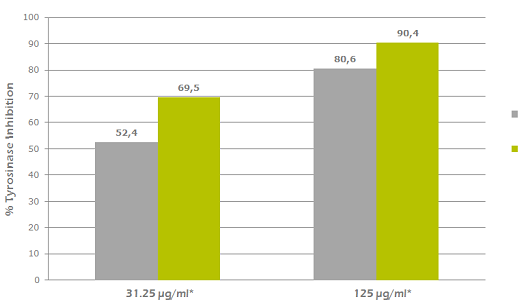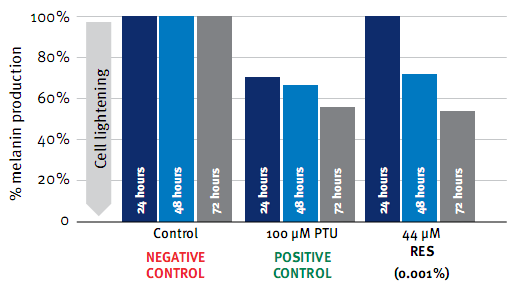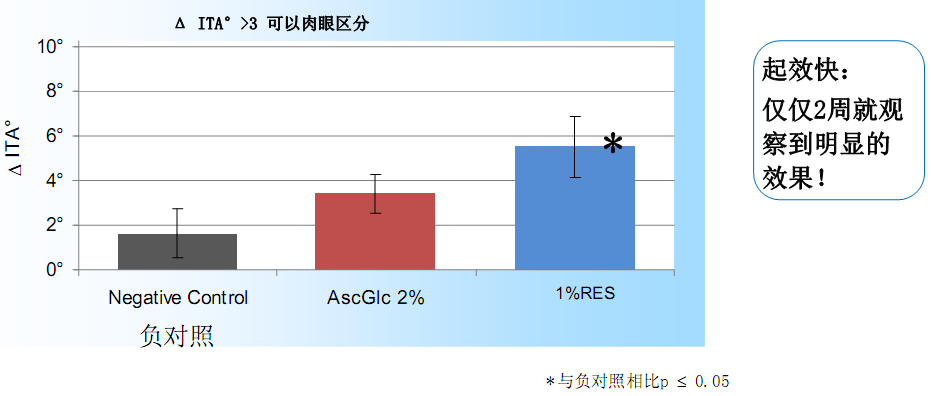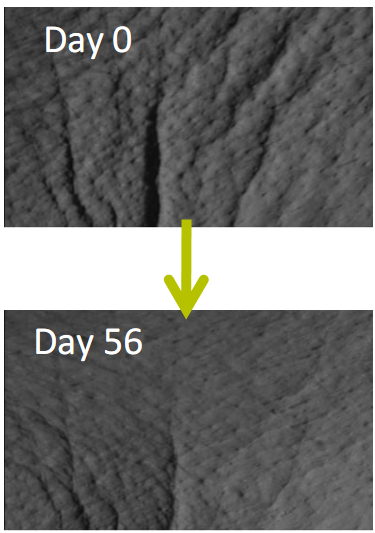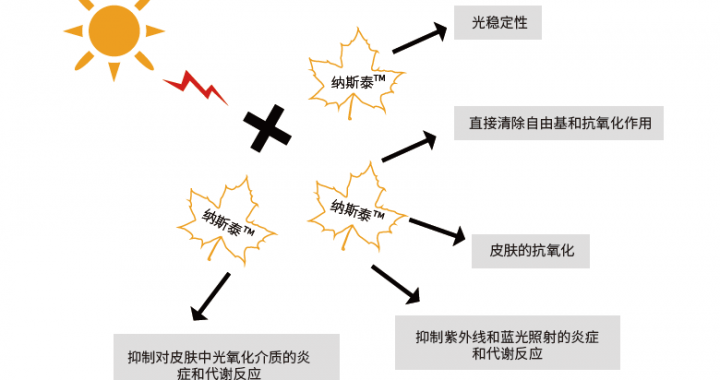
NanoStemCell anti-aging repair solution (NanoStemCellTM) is a novel skincare material developed by PuriPharm’s chief scientist Professor Robert J Lee and his team using plant extract, modern biomedicine and nano-transmission technology. It resists UV rays and blue laser radiation, and is featured with the functions of anti-oxidation, promoting extracellular stroma synthesis and repairing the stem cells of skin, thus acting as an anti-pollution and anti-aging repair from within. It is a new type of 4D anti-aging and wrinkle removing solution, applicable to deep anti-wrinkle, preventing dark eye circles, controlling oil, eliminating acnes, anti-aging and protection from blue lasers.
Salvia miltiorrhiza and Buddleja officinalis, the traditional Chinese medicinal materials, contain a large number of functional compounds with good biological activity and significant pharmacological features. The PuriPharm team uses modern biotechnology to screen and extract the essence of their efficacy. The nano-transmission technology can 100% penetrate epidermis, directly reach basal cells and target the stem cells in the deep layer of your skin.
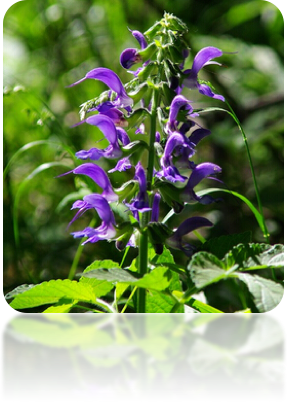
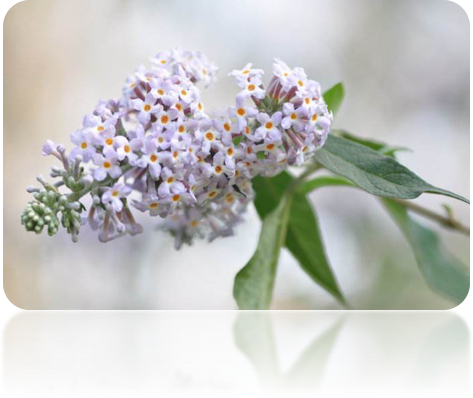
Salvia miltiorrhiza Buddleja officinalis
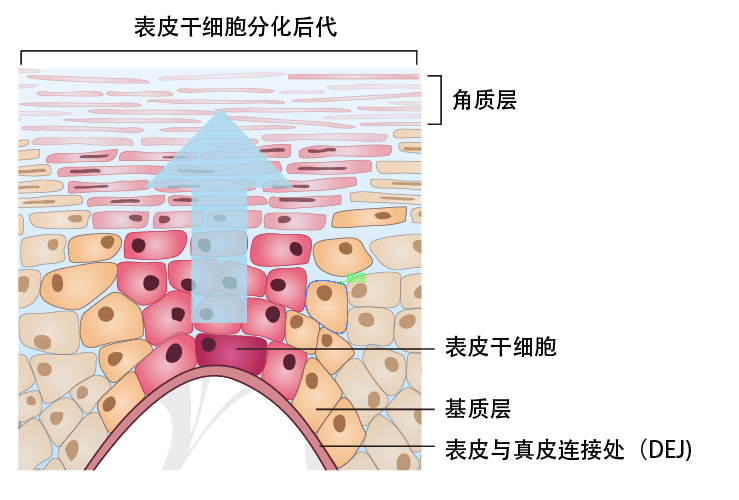
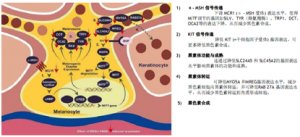
Schematic diagram of epidermal stem cell differentiation
The skin is a layered tissue, from bottom to top, composed of subcutaneous tissues, dermis, and epidermis that contains original skin flora. The skin is the most vulnerable to external invasion, but it can constantly renew itself thanks to the stem cells in the basal layer of epidermis. These stem cells undergo a specific division process, produce new cells and further differentiate into keratogenesis cells. Under normal conditions, keratogenesis cells will automatically convert into keratinocytes and secrete intercellular gums composed of cholesterol, fatty acids and ceramides, which help to form a skin barrier function to prevent dehydration.
Skin balance is constantly challenged by internal aging processes, UV rays, contaminants, screen light of electronic products and external stimuli, resulting in dramatic changes in the epidermal structure. Over time, due to the decreased activity of epidermal stem cells and efficiency of cell differentiation, epidermal cell renewal will slow down, and eventually, the following situations will happen to the skin:
- The barrier function is weakened and the hydration is decreased (the barrier function of keratinocyte skin is reduced);
Fine lines and wrinkles appear (the number of cells and the cohesion of the
- skin are reduced);
- Exfoliated epidermis accumulates (reduced exfoliation process);
- Microbial flora loses balance (unbalanced or fragile stratum corneum microecology).
Over time, the entire renewal process of the skin epidermis slows down due to the lower activity of epidermal stem cells and the less efficient cell differentiation process. The skin becomes dry, rough and vulnerable, and fine lines as well as wrinkles appear. Maintaining the activity of epidermal stem cells is a key factor in ensuring skin vitality and regenerative capacity. NanoStemCellTMis a new generation of UV protective active ingredient developed by PuriPharm, the main raw materials of which are Salvia miltiorrhiza and Buddleja officinalis extracts. NanoStemCellTMprovides five protections when protecting epidermal stem cells from aging caused by UV radiation:
1) Absorption of UV rays, high-energy visible light, and blue lasers: Compared with chemical absorbents, NanoStemCellTMcan better absorb UV and blue lasers.
2) Effective reduction in the screen light damage of electronic products: Under normal circumstances, the screen light of electronic products decreases the mitochondrial ATP synthesis rate, the type I procollagen content, and the cell proliferation activity, and lead to the change of fibroblast morphology. NamoStemCellTM effectively reduces the extent to which screen light destroys mitochondrial function and damage to fibroblast morphological structure, and reduces the adverse effects of visible light emitted by electronic screens on the skin.
3) Restriction on the conversion of trans-UCA (urinary acid) to cis-UCA caused by UV exposure: urinary acid exists in the stratum corneum, and when exposed to UV irradiation, trans-uric acid is converted into cis-uric acid. This is the innovation of the new active ingredient of NamoStemCellTM: the active ingredient prevents the conversion of trans-urinary acid to cis-uric acid, thus limiting the adverse effect of apoptosis, immunosuppression and ROS (reactive oxygen species) formation.
4) Reduction in lipid peroxidation: Lipid peroxidation is the process during which free radicals “steal” electrons from lipids in the cell membrane, ultimately leading to cell damage. In vitro, an additional 0.3% Nasta TMcan reduce the UV light-induced lipid peroxidation by 54%.
5) Protection for the epidermal stem cells that maintain and restore the epidermis: in the epidermis, epidermal stem cells exist and have quite unique functions: renewing the epidermis and repairing damaged tissues by continuously forming new keratinocytes,. As the skin ages, this process will slow down while the number and activity of stem cells will decrease. Unhealthy lifestyles, UV and blue laser exposure will make this pay and cause the skin to be thiner, slacker, more wrinkled and less moisturized. Therefore, it is very important to protect these stem cells while maintaining and repairing the epidermis. NanoStemCellTMprotects and maintains the activity of epidermal stem cells and limits oxidative stress caused by exposures to UV rays and blue lasers. The new active element mainly composed of Salvia miltiorrhiza and Buddleja officinalis can prevent aging and photo-aging effects through the four mechanisms above, and protect the dermal components from the oxidative stress induced by UV rays and blue lasers.
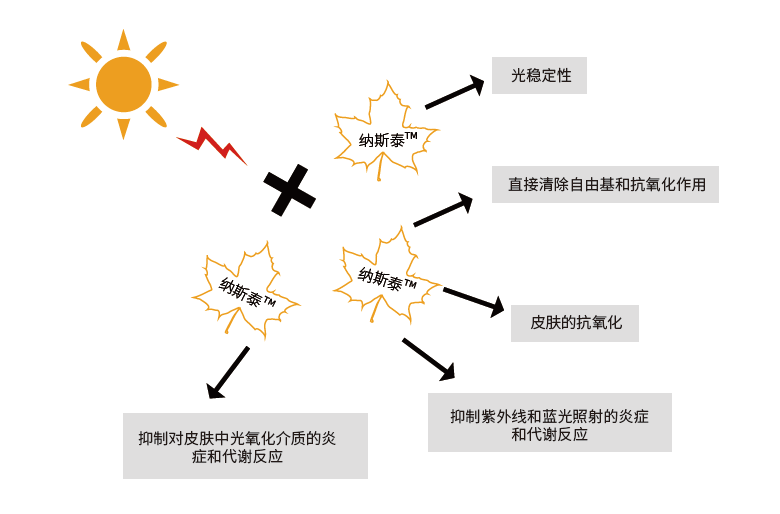
NanoStemCellTMplays a role in the activity of photo-protective agents for skin cells
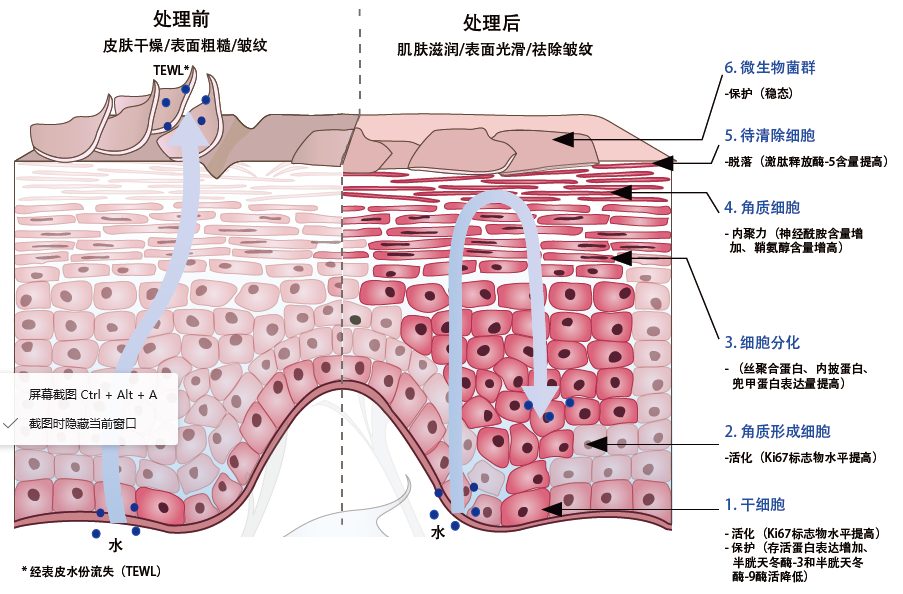
Skin conditions before and after the use of NanoStemCellTMactives
In vitro, in vivo and clinical studies have shown that NanoStemCellTMhas a natural and unique skin reactivation effect. The skin activation takes effect from within through the following six synergies:
- Protect and activate skin stem cells
- Reactivate cell metabolism
- Stimulate cell differentiation
- Enhance skin barrier structure
- Reactivate natural exfoliation
- Actively protect skin microbial flora
This versatile active ingredient will benefit users in just 2 weeks. Compared with the control one, the product has better skin moisturization and skin surface improvement with a wrinkle reduction of up to 30%.
Biological activity: activation and protection of stem cells in vitro
- Cloning Ability of Stem Cells
We cultivated human stem cells (external root sheath) for 48 hours with and without 0.5% actives, respectively, and evaluated their cloning ability with optical microscopy.
Untreated stem cells Stem cells + 0.5%NanoStemCellTM
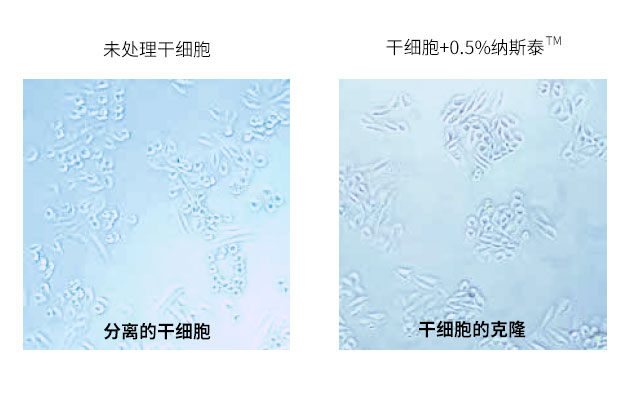
Isolated stem cell Clones of stem cells
RESULTS: Compared with the unprocessed cells, we found that the addition of actives had a significant effect on the cloning ability of stem cells, indicating that NanoStemCellTMcan maintain the cloning ability of skin stem cells.
2.Protect stem cells from UV rays
|
We processed samples of human stem cells (external root sheath) with and without actives, exposed them to two doses of UVA (8J/cm2) and UVB (150mJ/cm2) respectively, and observed the expression of activating protein that survives through immunofluorescence.
Untreated stem cell Stem cells + UV rays
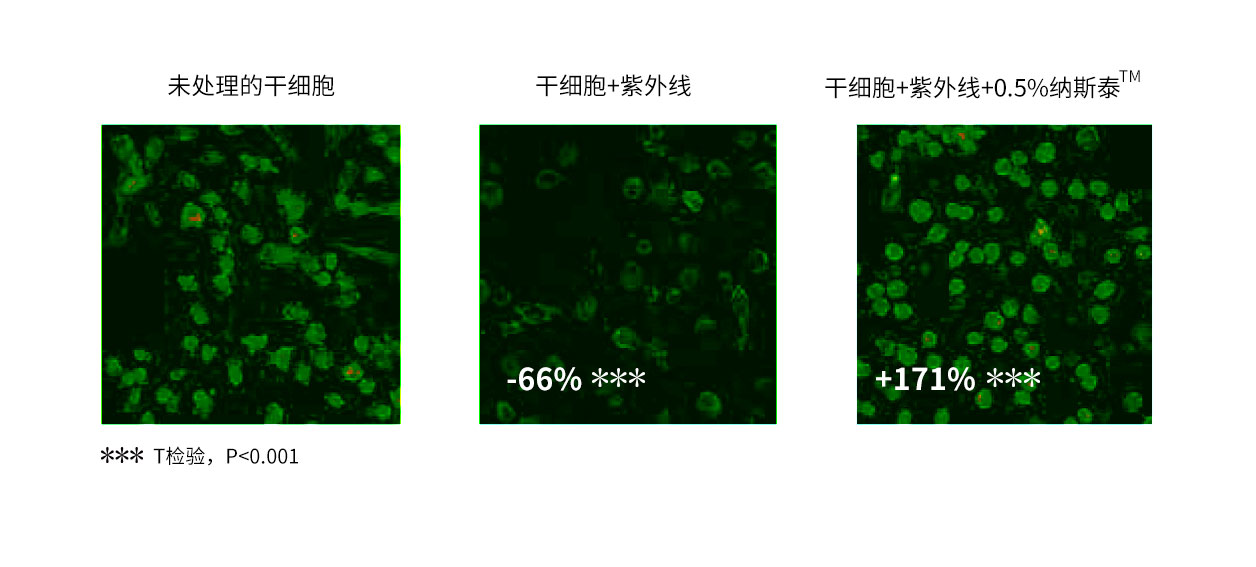
RESULTS: NanoStemCellTMincreased the expression of activating protein that survives after UV irradiation by 171% compared with normal values, thereby protecting stem cells from apoptosis under this condition.
3.Directly inhibit pro-apoptotic enzymes
We added 0.1%, 0.5%, and 1%, three gradient concentrations of actives, and measured the activity of apoptosis proteases, caspase-9 and caspase-3 through spectrophotometry.
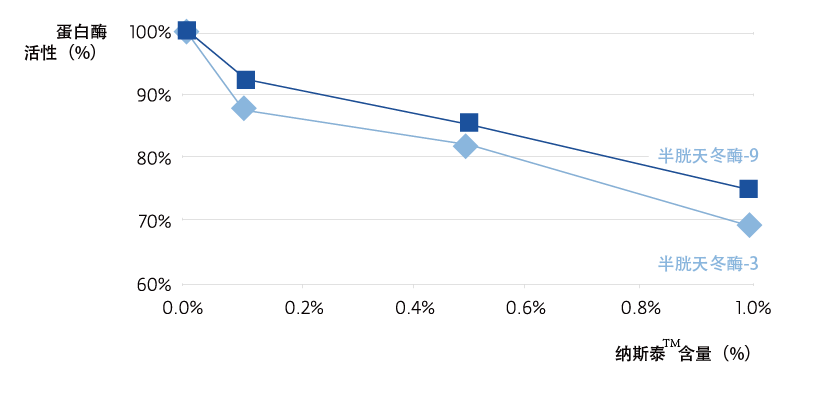
RESULTS: The inhibition rate of NanoStemCellTMto both enzymes is 31%, indicating that the actives have anti-apoptotic effects.
Stimulate epidermal metabolism (in vitro)
We conducted skin explants on 8 healthy individuals (31 to 67 years old) with three processing methods — no treatment, comparison or 0.5 NanoStemCell™, and measured the expression of Ki67 tumor markers 2 days later through immunohistochemistry .
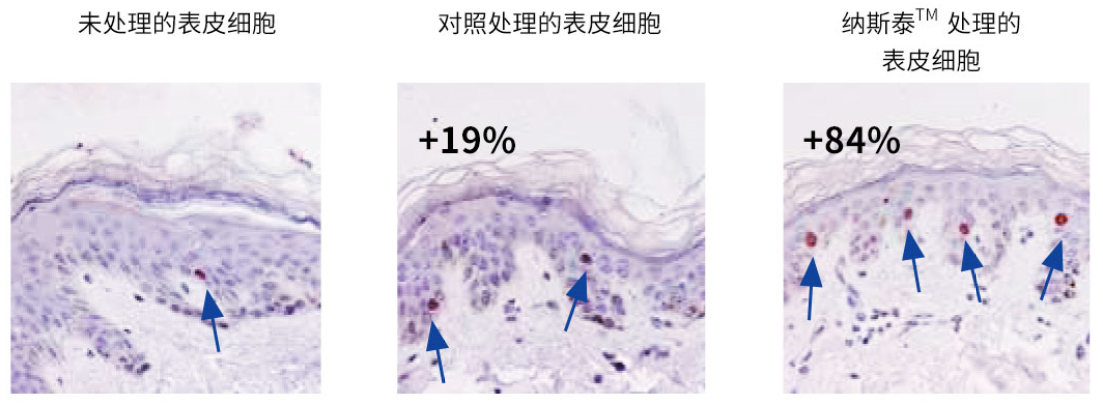
RESULTS: Epidermal metabolism increased by up to +84% after NanoStemCellTMtreatment, compared with the untreated one. In addition, stem cell metabolism at the dermal-epidermal junction (DEJ) was also observed to be activated.
Stimulate keratinocyte differentiation and barrier function (in vitro)
We processed normal human keratinocytes with 0.1% NanoStemCellTMand quantified the expression of mRNA 24 hours later through q-RT-PCR.
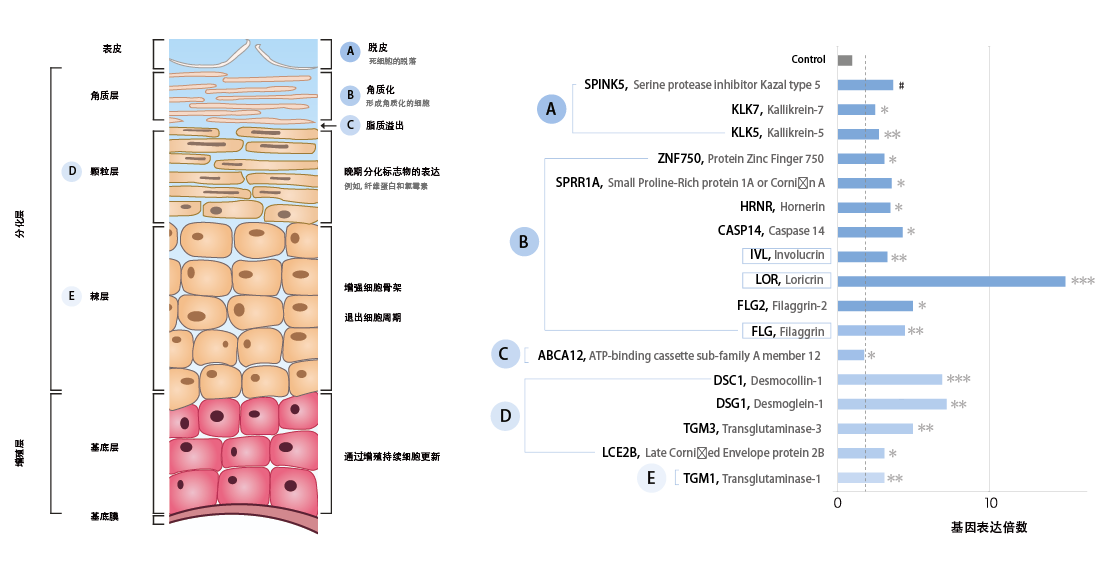
# T test, p = 0.06; * T test, P < 0.05;
** T test, P < 0.01; *** T test, P < 0.001
RESULTS: NanoStemCellTMsignificantly increased the expression of all genes involved in keratinocyte differentiation, including those related to maintaining barrier function.
Improvement of epidermal differentiation and barrier function (in vitro)
We exfoliated reconstructed human epidermis (RHE) after 11 days to simulate the barrier defects of skin. Two days later, we adopted immunostaining to observe three proteins affected by NanoStemCellTM: involucrin, filaggrin, and loricin.
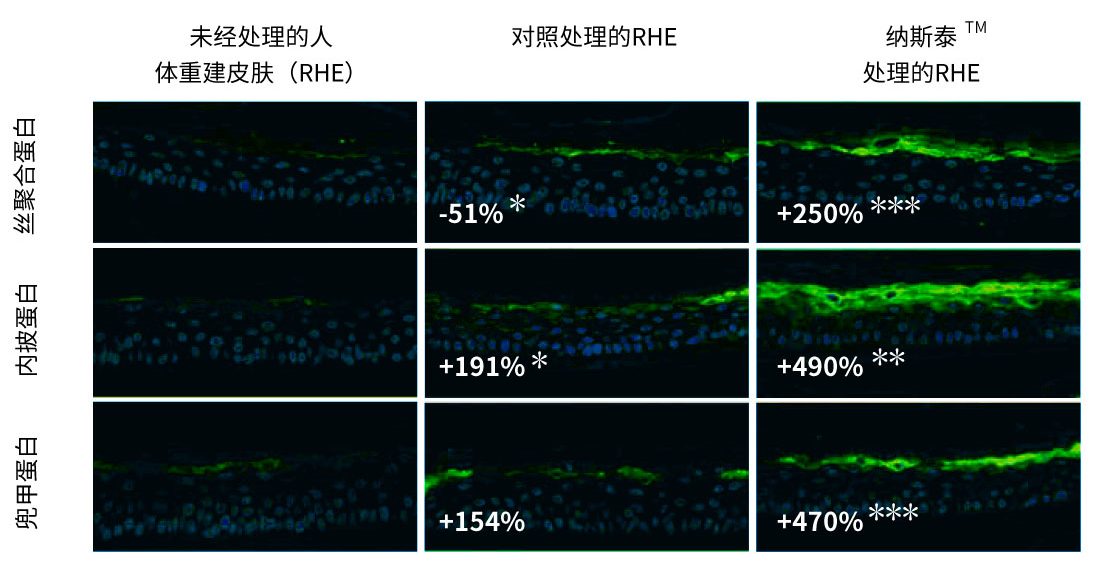
* T test, P < 0.05;** T test, P < 0.01; *** T test, P < 0.001
RESULTS: Compared with the control one, NanoStemCellTMresulted in significant overexpression of three protein markers (statistically), with a filaggrin expression of up to 250%, an involucrin expression of up to 490%, and a loricrin expression of up to 470%. It is obvious that NanoStemCellTMplays an extremely important role in the maintaining the epidermal differentiation and barrier function.
Stimulate the production of skin barrier tissue (in vitro)
The reconstructed human epidermis (RHE) was prepared from keratinocytes of a 24-year-old female donor and exposed to air for 10 days. The RHE was treated with a mixture of cytokines from D6 to D10 period to simulate barrier defects caused by local inflammatory stress. It is processed with and without 0.5% NanoStemCell™, and we analyzed the total content of ceramide by LC/MS. Such experiment was repeated for 3 times.
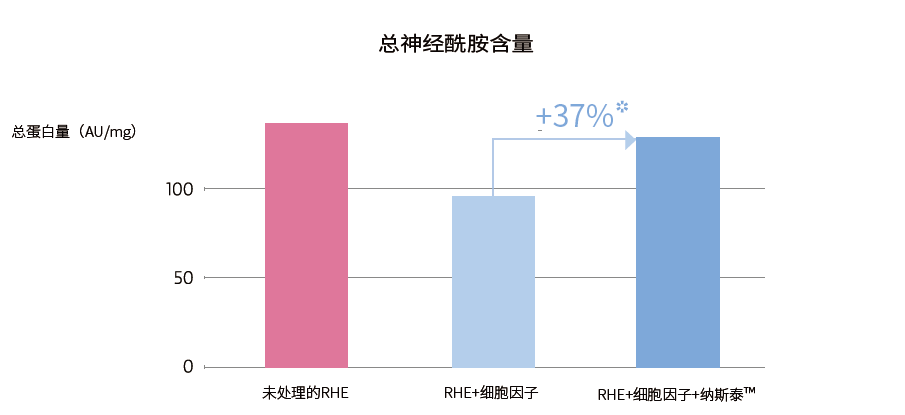
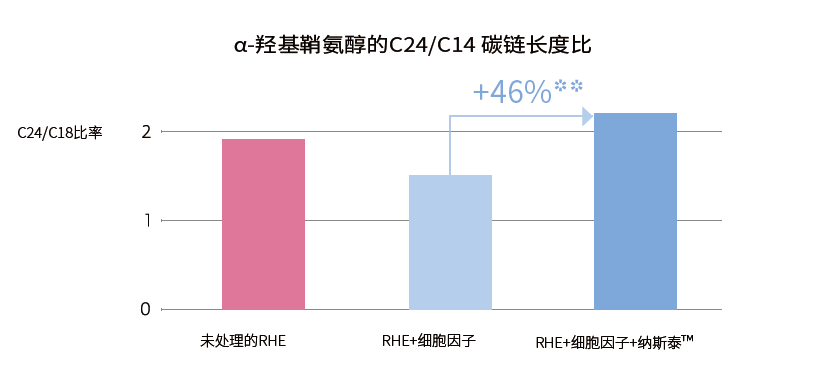
* T test, P<0.05 **T test, P<0.05
RESULTS: NanoStemCellTMstimulated an increase in the total amount of epidermal ceramide, and the ceramide content increased by 37% compared with the control one, demonstrating the ability of the skin barrier function to recover. Meanwhile, it also increased the average chain length of fatty acids attached to the main part of ceramide, raising the efficiency of barrier function . As a major ceramide, cytokines had a significant effect on the chain length ratio (C24/C18) of α-hydroxysphingosine. Adding NanoStemCellTMbrought the ratio back to the basic level, or even higher.
Natural bio-reactivation to exfoliate (in vitro)
On the first and the second day, we processed the skin explants from 8 healthy individuals (31 to 67 years old) in three ways — unprocessed, blank comparison and 0.5% NanoStemCell™.
- Expression of KLK5 protease
2 days later, we measured the expression of KLK5 protease through immunohistochemistry. KLK5, i.e., kallikrein-5, was involved in the exfoliation process.
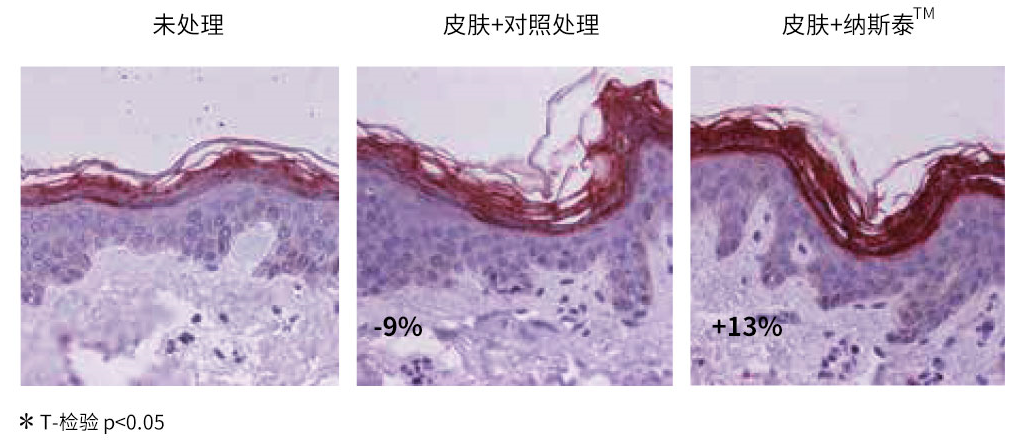
RESULTS: NanoStemCellTMsignificantly activated the expression of KLK5 compared to the unprocessed skin, resulting in an increase in KLK5 positive cells by up to + 13%. Compared to the control one, NanoStemCellTMtreatment showed the inhibition to KLK5 expression.
- Exfoliation
Two days after the treatment, the experts used histological analysis to evaluate the natural exfoliation of the three explants of each donor.
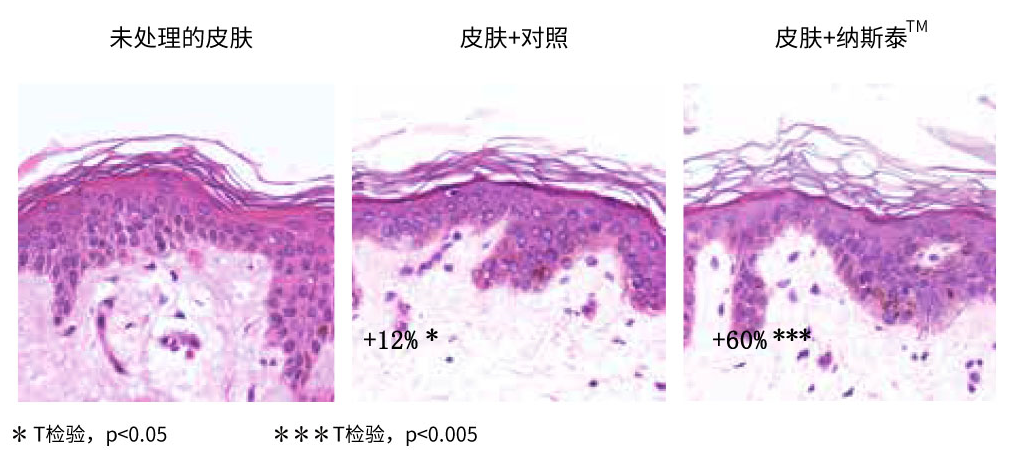
RESULTS: The epidermal exfoliation after NanoStemCellTMtreatment visibly increased by 60% (vs. untreated skin).
Efficacy assessment
Barrier function and hydration improvement (Clinical Study 1 and Clinical Study 2)
To evaluate the benefits of NanoStemCellTMin body care applications, we conducted the first clinical study on 19 women with average dry skin age of 39.5 years old (skin moisture value below 40 AU) through double-blind comparison. 0.5% NanoStemCellTMwere applied to their forearms twice a day; or we did a control experiment (the same formulation without actives).
- Skin barrier strengthening and hydration effect (Raman spectroscopy)
After 14 days and 28 days, we measured the contents of lipid, protein and moisture of the two groups of forearm skins by Raman spectroscopy.
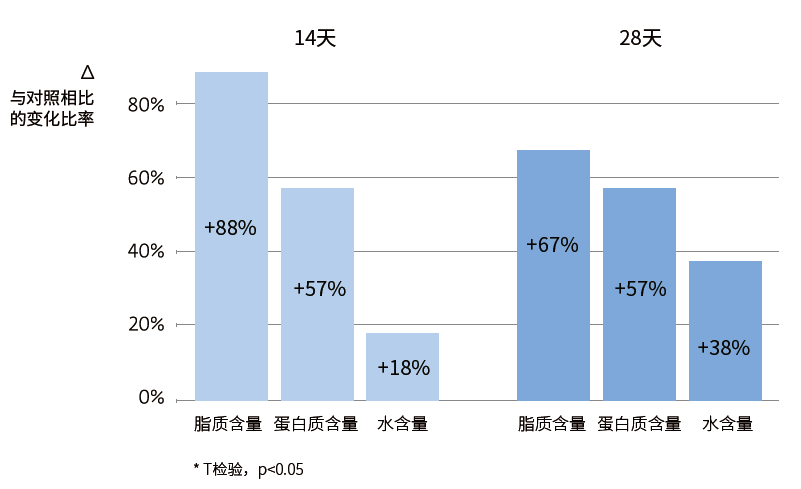
RESULTS: NanoStemCell™ resulted in a significant increase in lipid, protein and water content of the barrier functional tissue in only 2 weeks compared to the control one. After 14 days and 28 days, they increased separately:
- Lipid content increased by 88%
- Protein content increased by 57%
- Hydration increased by 38%
NanoStemCellTMsignificantly restored the barrier function and provided the skin with better hydration.
2.Skin epidermal reconstruction (OCT)
The quality (density and structure) of the volunteers’ skin tissue was analyzed at the 1st, 14th days, and 28th day. We performed the analysis by optical coherence tomography (OCT), chose to observe the contrast between epidermis and dermis, and discovered younger skin.
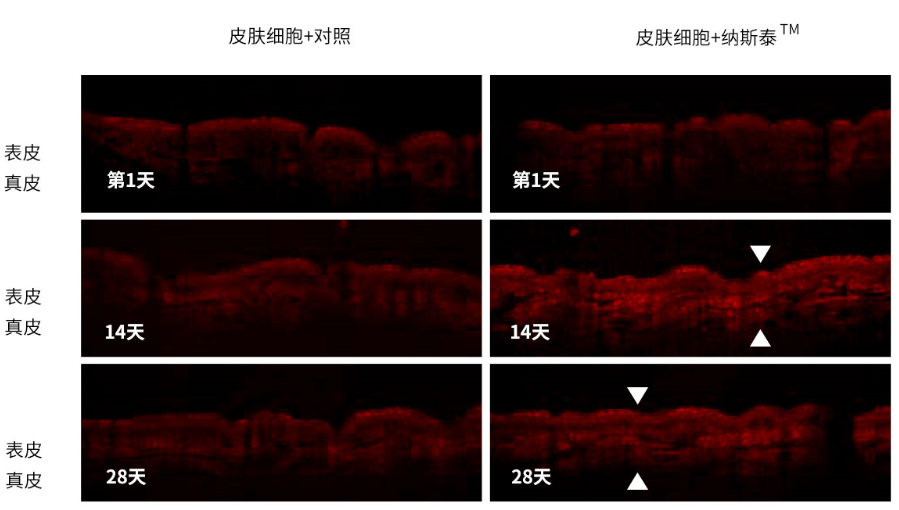
RESULTS: NanoStemCellTMled to an increase in the density of the stratum corneum and a better contrast of visible DEJs (dermal epidermal junction) between epidermis and dermis. All these results were related to better and younger skin status.
3.Skin surface renewal: exfoliation
Using a skin diagnostic tool to study exfoliation, we conducted the second clinical double-blind control trial for care applications to measure natural skin exfoliation. The study was conducted on 20 women (average age: 44) with a dry leg skin (measured value below 35 AU), using the product or control one twice a day for 28 days.
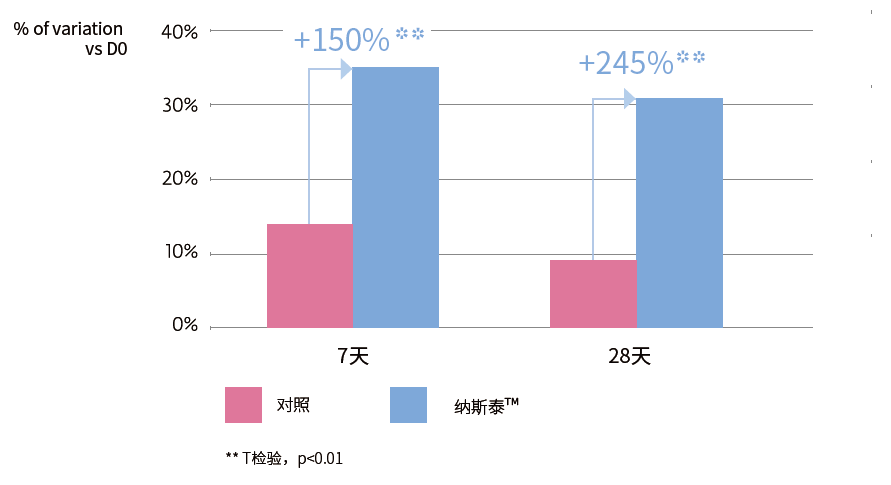
RESULTS: NanoStemCellTMcaused an obvious increase in skin exfoliation and surface renewal (upper epidermis) by up to 245% compared to the control group.
Maintain microbial flora (Clinical Trial 3 – Skin Microbiota)
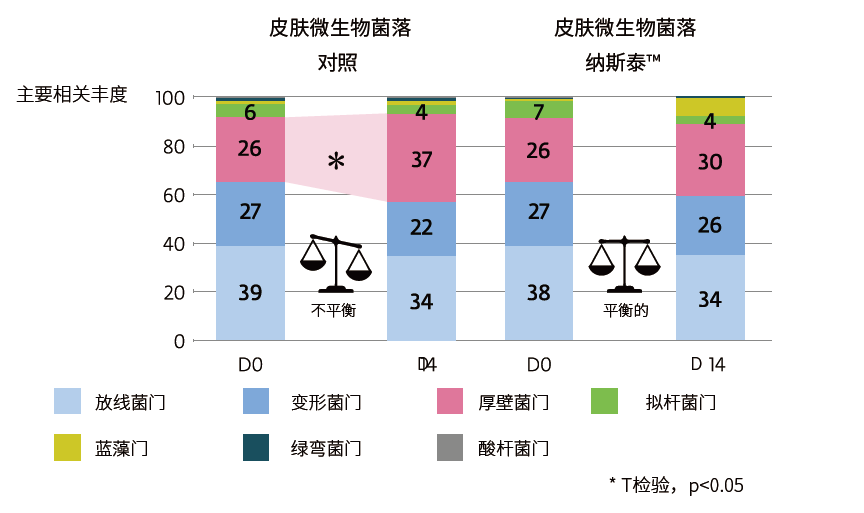
To evaluate the benefits of NanoStemCellTMin body care applications, we selected 19 female volunteers with dry skin for the third clinical study. They were between the ages of 19 and 50, with an average age of 39.5. We applied NanoStemCellTMproducts and the control one on their left and right forearms twice a day. On the 1st and 14th days, we conducted metagenome studies such as collecting, extracting and sequencing the microbial DNA of all volunteers. A total of 24 billion DNA base pairs were analyzed by bioinformatics, and the time-varying compositions of flora under the two conditions (the relative abundance of more than 0.1% and that of more than 1%) were compared.
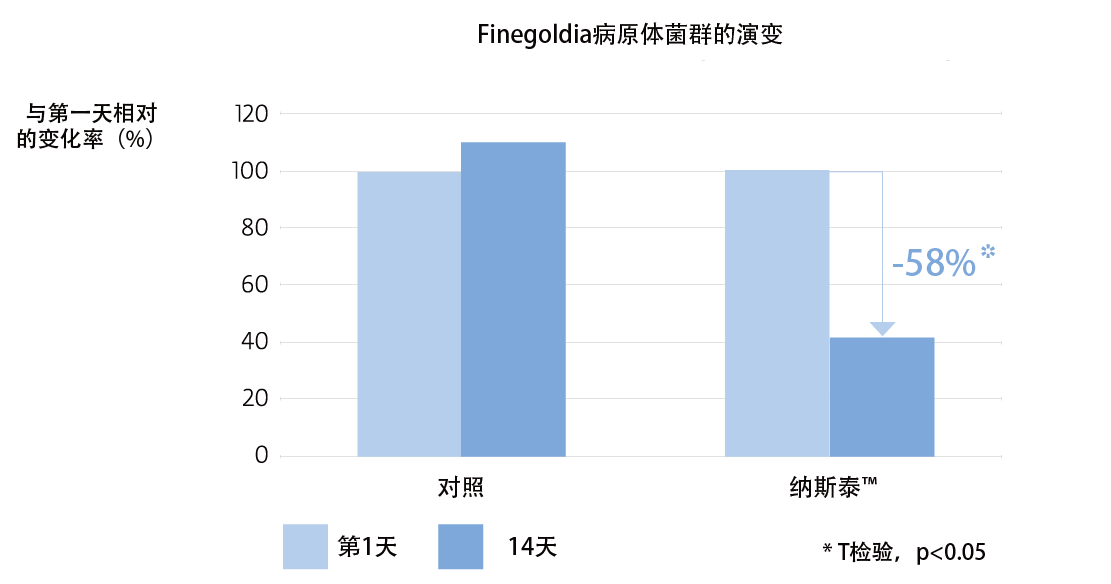
Results: NanoStemCellTMhad an immediate protective effect on the skin microflora. We did not observe any significant change in the microbia on the 14th day, while in the epidermis applied with the control group, the firmicute was found to be significantly affected. In addition, compared with the control one, NanoStemCellTMactivity could inhibit the evolution of a random pathogen (Finegoldia genus) by up to -58%.
NanoStemCellTMbalances and improves skin composition
Skin Rejuvenation and Anti-Aging (Clinical Trial 4)
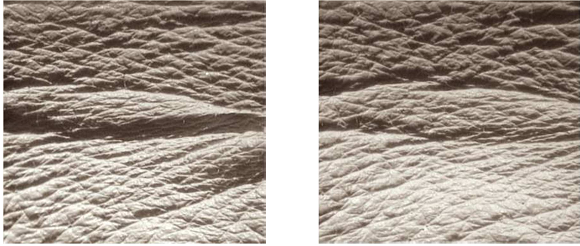
The fourth 28-day clinical double-blind control trial was conducted on 15 women who had crow’s feet (aged 35 to 55; the average is 43). The volunteers applied a control product to one side of their faces, and applied 0.5% NanoStemCellTMon the other side. On the 14th and 28th days, the relaxation of their skin was analyzed through a silica gel copy and a skin image analyzer.
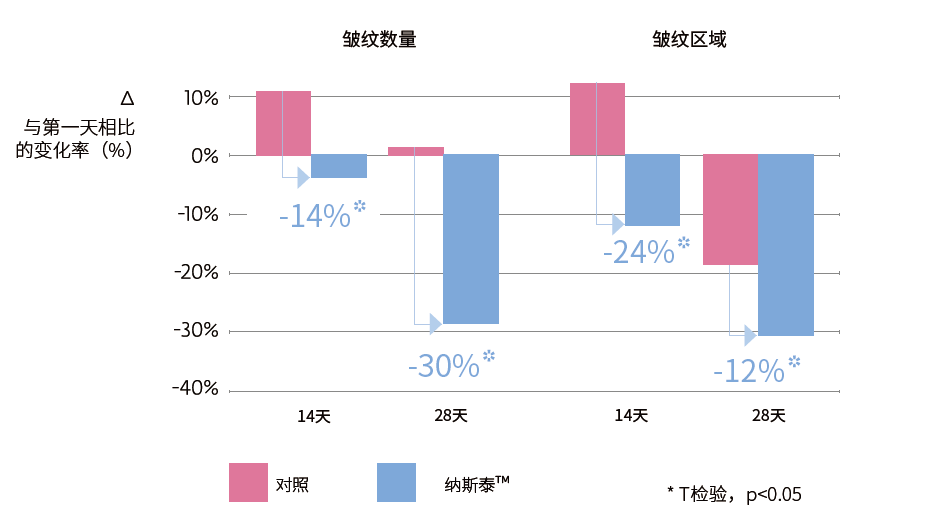
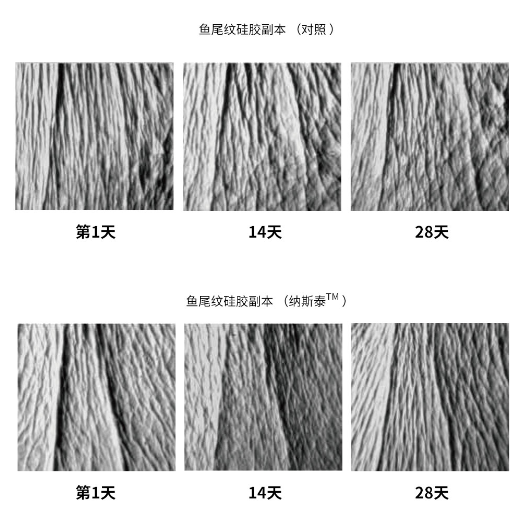
RESULTS: The skin applied with NanoStemCellTMshowed a significant anti-aging effect after 14 days, the wrinkles decreased by up to 30%, and the total area of wrinkles decreased by 24%.
Solubility: water soluble
Dosage: 0.1-5%
Processing: It may be added at the end of the formulation process with gentle agitation or added directly to the aqueous phase. The preparation temperature shall be controlled below 80 ° C and the pH is between 4-8.
Efficacy: skin renewal and activation, skin repair, skin regeneration, dry skin treatment, anti-aging, anti-wrinkle, skin moisturizing and hydration, enhanced skin barrier, natural skin exfoliation, and protection for skin microbial flora.
Application: cream for dry skin, anti-aging night cream or day cream for face and body, body lotion for dry and thick skin, protective cream for skin microbia, organism regeneration spray, active moisturizing lotion, skin beauty products, and skin rejuvenating essence.