PuriActives® S-Glucan

PuriActives® S-Glucan

Sulfated polysaccharide technology for sensitive and stressed skin

01 · THE FORMULATION CHALLENGE · THE CHALLENGE

Efficacy keeps advancing — tolerability has not kept up

High-efficacy actives — retinoids, exfoliating acids, vitamin C — remain the strongest drivers of visible skincare results, and are also among the most common triggers of stinging, visible redness and barrier stress. For a growing number of consumers, the bottleneck of a skincare routine is no longer efficacy, but how much stress the skin can withstand.

Everyday stress scenarios that amplify skin reactivity

● Retinoid adjustment periods and over-exfoliation

● Acid peels and high-strength vitamin C routines

● UV, pollution and climate-change stress

● Aesthetic procedures — laser, peels, microneedling

● Shaving and daily mechanical friction

60–70%of women self-report some degree of sensitive skin; 50–60% of men do as wellFarage MA, Cosmetics, 2019 44.6%of American adults self-report “sensitive” or “very sensitive” skin in a representative national surveyMisery L et al., Int J Dermatol, 2011

Formulation insight: every high-efficacy system now needs a built-in tolerability strategy — starting at the ingredient level.

02 · MARKET CONTEXT · THE MARKET

Sensitive skin & barrier repair: a structural growth engine

$80.3BDermocosmetic skincare market size in 2031, up from $50.3B in 2025 — an 8.1% CAGR; dermatology-backed skincare is going mainstreamMordor Intelligence, 2026 edition +9.9%Forecast CAGR of the sensitive-skin segment (2026–2031) — the fastest-growing skin-need trackMordor Intelligence, 2026 edition $12.6BRepairing skincare market size in 2036, growing from $6.9B in 2026, driven by post-procedure and post-retinoid care demandFuture Market Insights, 2026

The formulation trends behind the numbers

Barrier-first skincare · post-procedure and post-laser repair · “skinimalism” — fewer, better-validated ingredients

Recovery after retinoids and acids · skin resilience as a claim territory · dermatologist-channel daily care

The opportunity: advanced soothing and repair actives are no longer a niche add-on — they are becoming shared formulation infrastructure for sensitive-skin and high-efficacy products alike.

03 · INGREDIENT INTRODUCTION · THE INGREDIENT

Meet PuriActives® S-Glucan

“Answering skin repair with a sulfated polysaccharide.”

PuriActives® S-Glucan is a low-molecular-weight sulfated polysaccharide — the sodium salt of sulfated dextran — developed for modern soothing, anti-redness, barrier-support and post-stress repair formulations.

Sulfating the dextran backbone converts a neutral, passive polysaccharide into a strong polyanionic macromolecule, fundamentally changing its interaction profile: high negative charge density, strong water binding, protective-film formation, and electrostatic interactions with positively charged proteins and inflammatory mediators.

The result is an ingredient category of its own — not a renamed β-glucan, but a next-generation repair active with published evidence across inflammatory, vascular and sensitive-skin models.

INCI name Sodium Dextran Sulfate
CAS No. 9011-18-1
Molecular weight 9–20 kDa standard grade · 4–8 kDa grade
Appearance White to off-white powder
Solubility Readily soluble in water
Recommended use level 0.05–0.20%

04 · CATEGORY DEFINITION · THE CATEGORY

S-Glucan is not “just another glucan”
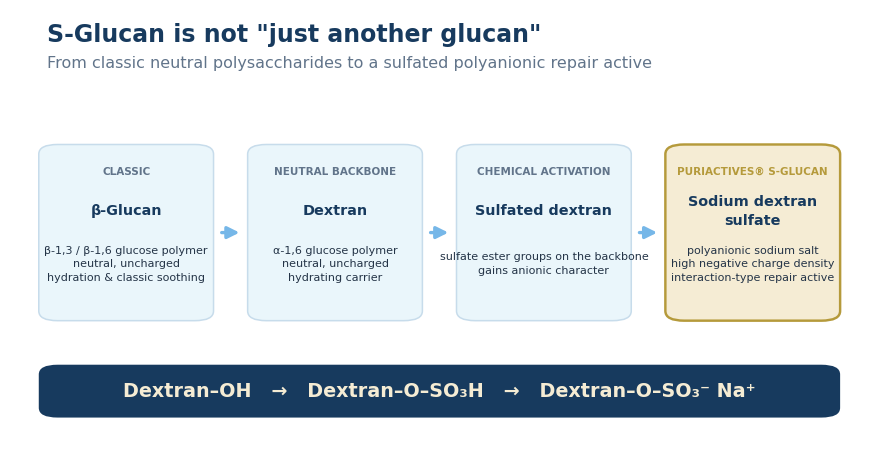
What sulfation changes: it converts a passive hydrating polysaccharide into an interactive, bioactive polyanion — a different chemical and functional category, not a line extension of β-glucan.

05 · SCIENTIFIC IDENTITY · THE SCIENCE

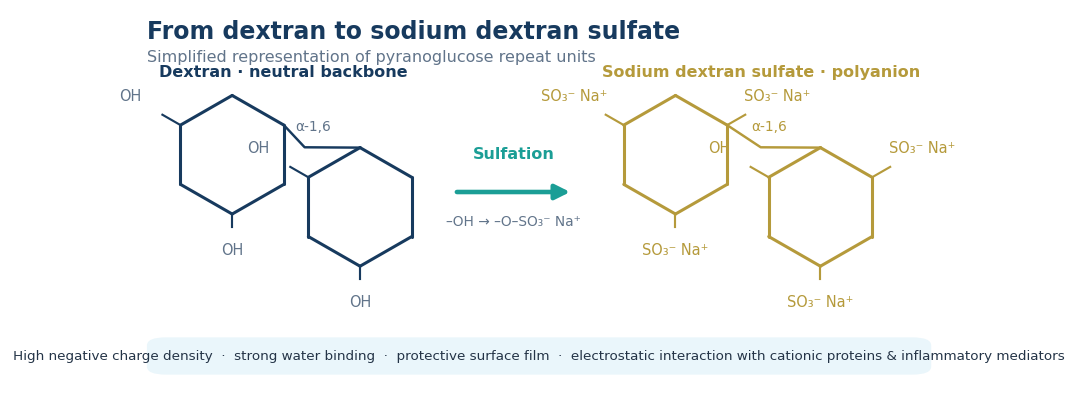
From dextran to sodium dextran sulfate
01 · The backbone

Dextran is a fermentation-derived branched glucose polymer dominated by α-1,6 glycosidic linkages — a neutral, uncharged polysaccharide.

02 · The chemical modification

Sulfation replaces backbone –OH groups with sulfate ester groups (–O–SO₃⁻ Na⁺), yielding a strongly anionic polymer with high charge density.

03 · The functional outcome

The polyanion binds water, forms a hydrating surface film, and interacts electrostatically with cationic proteins and inflammatory mediators.

06 · WHY CHARGE MATTERS · WHY CHARGE MATTERS

A polyanionic structure built for biological interaction

Electrostatic interaction. The dense sulfate charges interact with positively charged proteins and signaling mediators — including those that drive inflammatory amplification at the skin surface.

Glycosaminoglycan-like properties. Sulfated polysaccharides echo the polyanionic logic of the heparin-family glycosaminoglycans (GAGs), which are known to bind chemokines and modulate leukocyte–endothelium interactions.

Charge density correlates with bioactivity. For anionic polymers, inhibition of inflammatory-cell invasion has been shown to correlate with anionic charge density — and dextran sulfate is the preferred, most active polymer class (US5605938, 1997).

A macromolecular comfort film. Strong hydrophilicity supports surface hydration, moisture retention and protective-film formation, buffering stressed skin against environmental exposure.

PUBLISHED EVIDENCE SIGNAL

−66%

reduction in neutrophil migration observed with dextran sulfate in a biological assay — direct proof that a sulfated polyanion can intervene in inflammatory-cell trafficking.

Patent FR2877565A1 — non-therapeutic use of dextran sulfate to reduce skin reactions

Neutrophil influx is an early amplifier of visible irritation and post-stress redness. Restraining this step helps keep the skin’s inflammatory response proportionate to the stress it receives.

07 · MECHANISM OVERVIEW · MECHANISM OVERVIEW

One molecule, four layers of support
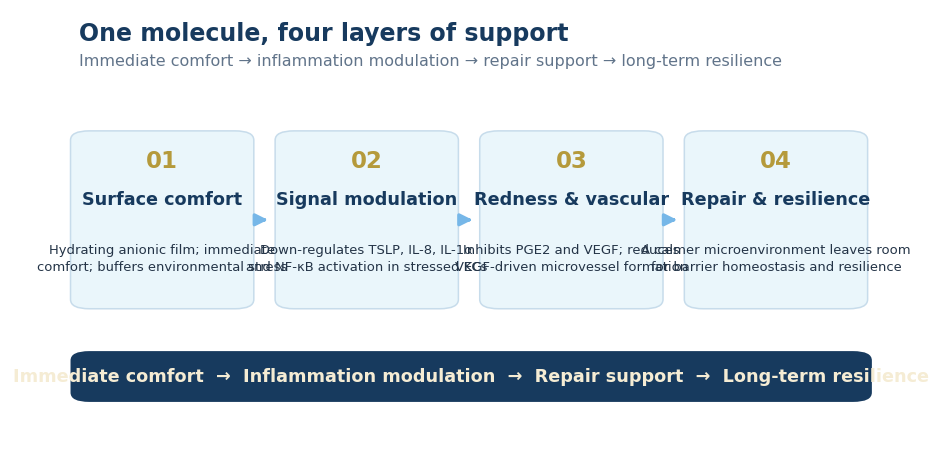
Each layer is supported by published in-vitro evidence on sodium dextran sulfate or mechanistically related sulfated polysaccharides — detailed in the following sections.

08 · MECHANISM 1 — INFLAMMATORY SIGNALING · MECHANISM 1

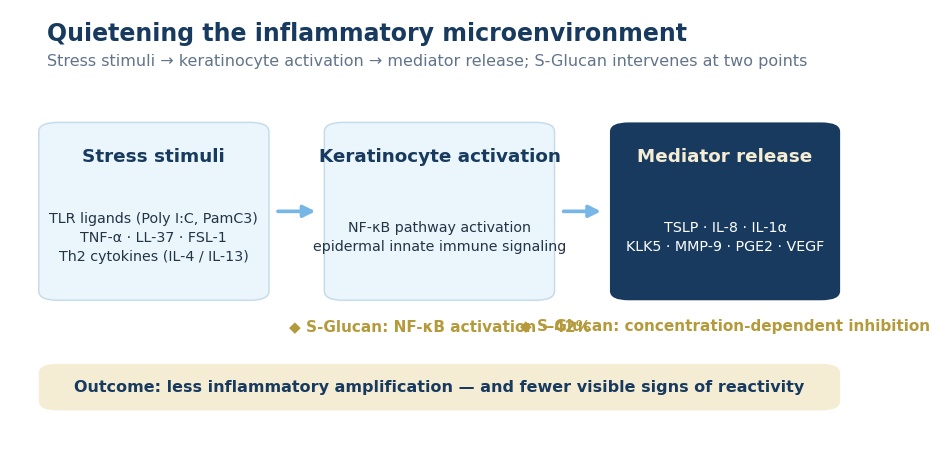
Quietening the inflammatory microenvironment
Key experimental findings

● −42% TNF-α-induced NF-κB activation (3 mg/mL, p<0.01) — WO2020201492A1

● Strong inhibition of IL-1α and IL-8 (10 µg/mL) — Hernandez-Pigeon et al., 2018

● Reduced KLK5 and MMP-9 mRNA (stressed keratinocytes) — Hernandez-Pigeon et al., 2018

● −66% neutrophil migration — FR2877565A1

09 · EVIDENCE — SENSITIVE & ATOPIC-PRONE SKIN · THE EVIDENCE

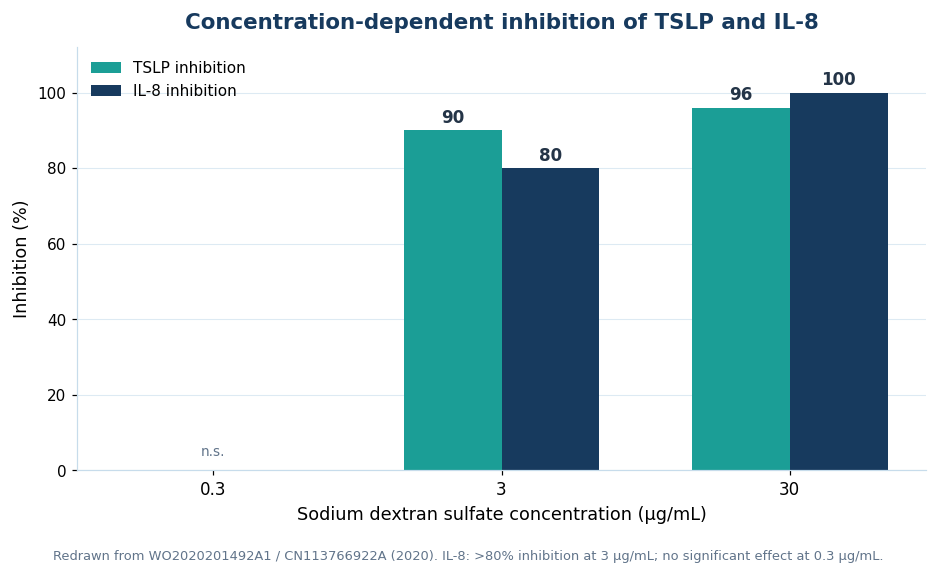
Concentration-dependent inhibition of TSLP and IL-8
The experimental model

Normal human epidermal keratinocytes were pre-incubated with sodium dextran sulfate (MW 9–20 kDa), then stimulated for 24 hours with Poly I:C + PamC3 + IL-4 + IL-13 — mimicking an atopic inflammatory environment. TSLP and IL-8 were measured by ELISA; n = 3; p < 0.01 (vs. stimulated control).

Why it matters

● TSLP is the core alarmin released by stressed keratinocytes — it initiates the “itch–inflammation” cascade characteristic of reactive, atopic-prone skin.

● IL-8 is the key chemokine recruiting neutrophils into stressed skin.

● S-Glucan shows activity at microgram-per-milliliter concentrations — consistent with a high-potency, low-dose soothing active.

10 · MECHANISM 2 — REDNESS & VASCULAR RESPONSE · MECHANISM 2

Addressing the visible face of inflammation — redness

Visible redness is the downstream sign of the “inflammation–vascular” loop: lipid mediators dilate microvessels, while VEGF fuels vascular hyper-reactivity. In keratinocyte models of redness-prone skin, dextran sulfate acts on both arms of this loop — inflammatory mediators and the VEGF vascular axis. In a peer-reviewed study of actives for redness-prone skin (a rosacea-relevant in-vitro model), dextran sulfate was the multi-target soothing component of the system.
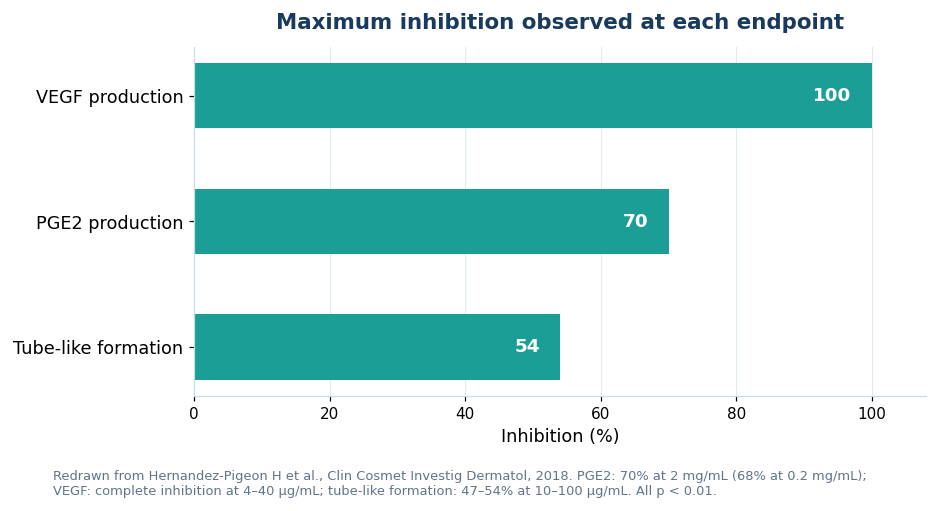
The model systems

● PGE2 — PMA-stimulated keratinocytes

● VEGF — LL-37 / FSL-1 / TNF-α redness environment

● Tube-like formation — VEGF-induced microvessel formation in endothelial/fibroblast co-culture

11 · MECHANISM 3 — BARRIER REPAIR · MECHANISM 3

Calmer skin recovers faster
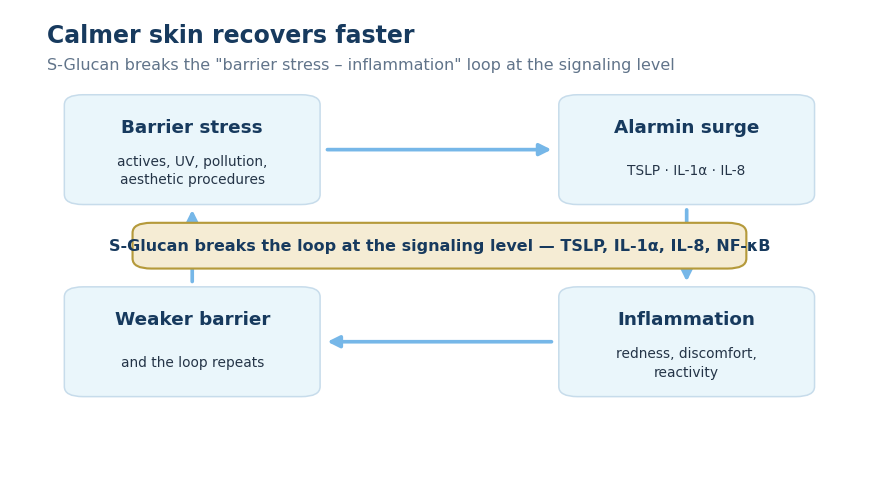
The repair logic

Persistent low-grade inflammation keeps keratinocytes in a defensive state, blocking orderly epidermal recovery. By down-regulating alarmin and cytokine release, S-Glucan helps the epidermal environment shift from defense back to repair — supporting barrier recovery and day-after-day resilience.

Evidence boundaries

● Direct evidence: mediator inhibition in stressed keratinocytes (TSLP, IL-8, IL-1α, NF-κB).

● Mechanistic inference: barrier-repair benefit follows the “inflammation–barrier” axis described in the dermatological literature.

● Ongoing at PuriPharm: a barrier-biomarker program (filaggrin, loricrin) on the 9–20 kDa standard grade.

12 · BENEFIT ARCHITECTURE · THE BENEFITS

From mechanism to visible skin benefits

Immediate skin comfortHelps calm stressed and reactive skinHelps reduce the appearance of visible rednessHelps relieve the look and feel of irritation Sensitive skin supportDesigned for fragile, reactive skinHelps progressively improve skin toleranceSupports recovery after environmental or cosmetic stress
Barrier repairSupports epidermal recovery after stressHelps rebuild skin resilienceComplements ceramide and lipid barrier-repair systems Post-efficacy recoveryPartner active for retinoid and acid routinesHelps improve the tolerability of high-efficacy systemsSupports long-term adherence to results-driven regimens

Benefit statements are intended for cosmetic applications, anchored to the in-vitro evidence presented in the mechanism sections, and do not constitute therapeutic claims for any skin disease.

13 · DIFFERENTIATION · THE DIFFERENCE

S-Glucan vs. conventional β-glucan

Dimension Conventional β-glucan PuriActives® S-Glucan
Structural class Neutral / partially branched glucan Sulfated polyanionic polysaccharide
Backbone β-1,3 / β-1,6 glucose polymer α-1,6 dextran backbone, sulfate-esterified
Charge density Low — essentially uncharged High negative charge density (–OSO₃⁻ Na⁺)
Interaction profile Hydration, moisturizing comfort Ionic & protein interactions; inflammatory-mediator modulation
Evidence focus Hydration, comfort TSLP / IL-8 / IL-1α, NF-κB, PGE2, VEGF, neutrophil migration
Positioning Classic soothing polysaccharide Next-generation sulfated repair active

S-Glucan belongs to a distinct chemical and functional category — it should be evaluated on its own evidence base, not treated as a line extension of β-glucan.

14 · FORMULATION STRATEGY · FORMULATION STRATEGY

The tolerability partner for high-efficacy systems

The discomfort that limits retinoid, acid and vitamin C routines is inflammatory in nature — it runs through the very mediators S-Glucan down-regulates in vitro: PGE2, IL-1α, IL-8 and NF-κB. Pairing the high-efficacy engine with a repair active lets a formula preserve efficacy while improving comfort, adherence and repurchase.

Positioning principle: efficacy must be balanced with tolerability — build both into the same formulation chassis.

In the keratinocyte redness model, PGE2 was reduced by 68–70% and VEGF completely inhibited — precisely the mediator signature of active-induced irritation.

Designed to partner with

● Retinoids — retinol, retinal and their derivatives

● Exfoliating acids — AHA / BHA / PHA systems

● Vitamin C — high-strength antioxidant serums

● Dark-spot systems — tone-evening routines

● Blemish-care actives — drying, keratolytic formulas

● Post-procedure routines — after laser, peels, microneedling

S-Glucan is strongly anionic; combinations with cationic conditioning agents require formulation verification — see the Formulation Guidance section.

15 · APPLICATIONS · APPLICATIONS

Where S-Glucan delivers the most value

Anti-redness serumsTargets the PGE2 / VEGF inflammation–vascular axis behind visible redness. Daily care for sensitive skinTSLP / IL-8 modulation for daily routines for reactive and atopic-prone skin.
Post-procedure & post-laser careSupports the recovery environment after energy-based procedures and peels. Retinoid & acid recovery productsThe tolerability partner inside high-efficacy formulation chassis.
After-sun & anti-pollution careA comfort film and mediator control after environmental stress. Soothing masks & facial mistsWater-based formats are a natural fit for a readily water-soluble polyanion.
Eye contour careThin skin with visible vasculature; dextran sulfate compositions are patented for redness, puffiness and the eye contour (US6562355B1). Scalp soothing careSensitive scalp and the anti-dandruff-adjacent space — an emerging need.
After-shave careLow use levels calm mechanical-stress reactions. Minimalist gentle concepts”Skinimalist” formulas built around a single, well-characterized molecule.

Formats span serums, creams, gels, lotions, essences, masks, mists and scalp lotions — the molecule is format-agnostic in aqueous systems.

16 · FORMULATION GUIDANCE · FORMULATION GUIDANCE

Working with a strong polyanion

Simple to use

● Readily soluble in water and salt solutions — add to the water phase under conventional stirring.

● Wide pH window: reported stable in pH 4–10 solutions at room temperature, covering essentially all leave-on formats.*

● Low dose, low texture impact: effective at 0.05–0.20%; virtually no effect on viscosity or skin feel at these levels.

● Compatible with nonionic and anionic systems — conventional emulsions, gels, serums and mists.

Verify before scale-up

● Cationic ingredients: polyquaterniums, cationic surfactants and cationic conditioning polymers may form complexes with a strong polyanion — check clarity and stability.*

● Positively charged peptides — verify compatibility case by case.*

● High levels of multivalent metal ions — evaluate in the final formulation chassis.*

● Grade selection: molecular weight (9–20 vs. 4–8 kDa) and degree of sulfation both affect activity and solution behavior — fix the grade before locking the formula.

* Marked items require confirmation in the PuriPharm applications laboratory for the specific grade and formulation chassis; a full compatibility matrix is available on request.

17 · PRODUCT PROFILE · PRODUCT PROFILE

PuriActives® S-Glucan — specification summary

Product name PuriActives® S-Glucan
INCI name Sodium Dextran Sulfate
CAS No. 9011-18-1
Appearance White to off-white powder
Active content ≥ 95% (on dry basis)
Molecular weight 9–20 kDa (standard grade); 4–8 kDa grade available on request
Solubility Readily soluble in water
Recommended use level 0.05–0.20% (typical); patent literature supports 0.01–0.5%
Quality control SEC/GPC for molecular weight; elemental analysis / ICP-OES for sulfur content; ion chromatography for free sulfate — documented per batch on the CoA
Microbiology & heavy metals Controlled to cosmetic ingredient standards

The degree of sulfation is defined per grade and documented batch-by-batch on the Certificate of Analysis (CoA), rather than stated as a single generic value — see the Quality & Analytics section.

18 · QUALITY & ANALYTICS · QUALITY & ANALYTICS

Not all sodium dextran sulfate is equal

Sodium dextran sulfate is a distribution-defined polymer: even with identical INCI and CAS, differences in molecular weight, molecular-weight distribution, degree of sulfation and free-sulfate residue all change protein binding, ionic strength, viscosity and bioactivity. S-Glucan is therefore defined by a dual-axis specification — molecular weight × degree of sulfation — never by INCI alone.
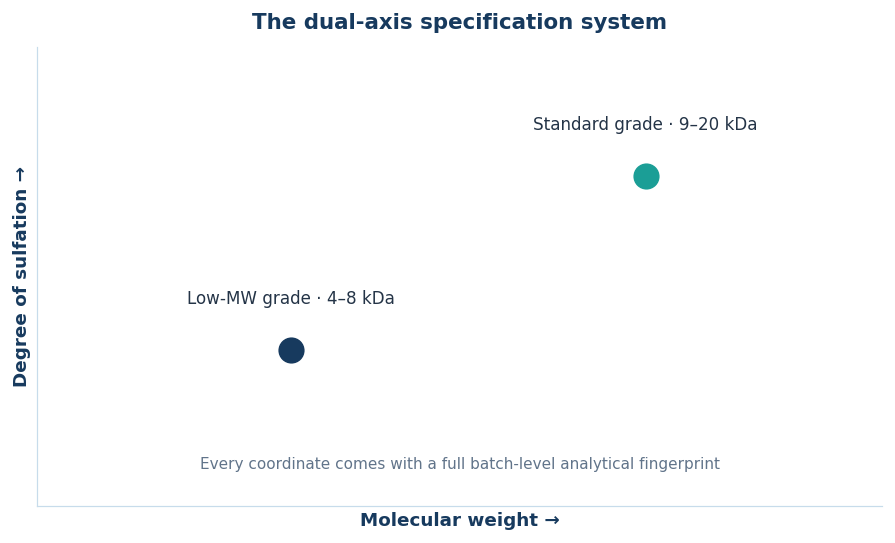
Batch-level analytical control

● SEC / GPC — Mw, Mn and polydispersity for every batch

● Elemental analysis / ICP-OES — total sulfur content

● Ion chromatography — free sulfate residue

● ¹H / ¹³C NMR — backbone and sulfation-site confirmation

● FTIR — characteristic S=O and C–O–S bands

● Moisture, ash, sodium content, conductivity — batch-to-batch consistency

Defined structure → defined performance: every batch of S-Glucan ships with the complete analytical fingerprint a formulator needs to reproduce results.

19 · KEY TAKEAWAYS · KEY TAKEAWAYS

Why formulators choose S-Glucan

01 A category of its own, not another glucan. Sulfation converts a neutral polysaccharide into a strong polyanionic repair active with a fundamentally different interaction profile.

02 A multi-target, literature-backed mechanism. Concentration-dependent inhibition of TSLP and IL-8; inhibition of IL-1α, KLK5 and MMP-9; reduced NF-κB activation; up to 66% less neutrophil migration.

03 Active on both arms of the redness loop. In published keratinocyte and co-culture models: PGE2 reduced by 68–70%, VEGF completely inhibited, and VEGF-driven microvessel formation reduced by 47–54%.

04 The tolerability partner modern formulas need. Purpose-built for sensitive skin, post-procedure care and high-efficacy retinoid/acid systems — at use levels of just 0.05–0.20%.

05 Defined by science, not traded as a commodity. A dual-axis molecular weight × sulfation specification with full batch analytics from PuriPharm — reproducible performance, batch after batch.

20 · REFERENCES · REFERENCES

Sources and scientific basis

Peer-reviewed literature

1. Hernandez-Pigeon H, Garidou L, Galliano M-F, et al. Effects of dextran sulfate, 4-t-butylcyclohexanol, pongamia oil and hesperidin methyl chalcone on inflammatory and vascular responses implicated in rosacea. Clin Cosmet Investig Dermatol. 2018;11:405–414. doi:10.2147/CCID.S168621

2. Misery L, Sibaud V, Merial-Kieny C, Taieb C. Sensitive skin in the American population: prevalence, clinical data, and role of the dermatologist. Int J Dermatol. 2011;50(8):961–967.

3. Farage MA. The prevalence of sensitive skin. Cosmetics. 2019;6(2):26.

Patent literature

4. WO2020201492A1 / CN113766922A — dextran sulfate and compositions thereof for inflammatory skin conditions; TSLP / IL-8 / NF-κB experimental data, 2020.

5. FR2877565A1 — non-therapeutic use of dextran sulfate for preventing and/or reducing skin reactions; neutrophil migration experimental data, priority 2004.

6. US6562355B1 — dextran sulfate / escin compositions for skin redness, puffiness and sensitive skin, including eye contour care, 2003.

7. US5605938 — anionic polymers inhibiting cell invasion; activity correlated with anionic charge density, 1997.

Market data

8. Mordor Intelligence. Dermocosmetics Skin Care Products Market — Size, Share & Forecasts (2026–2031). 2026 edition.

9. Future Market Insights. Repairing Skin Care Treatments Market Forecast and Outlook 2026 to 2036. 2026.

The in-vitro data cited in the mechanism sections originate from sodium dextran sulfate of the same INCI category as PuriActives® S-Glucan; the data characterize the technology platform, were redrawn from the cited sources, and the values were not altered.
PuriActives® MEVAL 100L

SCIENTIFIC MARKETING PRESENTATION · ENGLISH

PuriActives®MEVAL 100L

Mevalonolactone 100LHigh-purity mevalonolactone enabled by synthetic biology

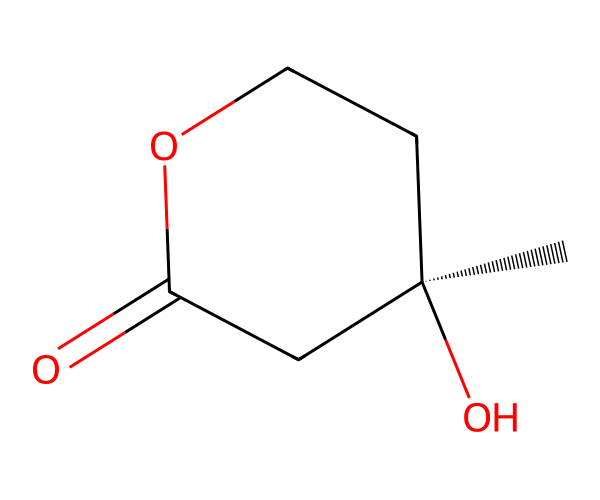
(R)-mevalonolactone · C6H10O3 · MW 130.14

A foundational metabolite of the mevalonate pathway, brought into modern skin and hair science through precision biotechnology.

High purityDefined, controlled composition High activityMevalonate pathway biology
Clean productionControlled biosynthesis Green biotechnologyResource-efficient platform

OPENING PERSPECTIVE

A new generation of metabolic actives is reshaping skin science

Cosmetic science is moving beyond conventional antioxidant and moisturizing concepts toward support for more fundamental biological processes: cellular energy, lipid synthesis, metabolic signaling, epidermal renewal, and barrier homeostasis.

Healthy skin depends not only on structural components, but also on the metabolic pathways that continuously build and maintain them.

Five core processes in metabolic skin scienceCellular energyLipid synthesisMetabolic signalingEpidermal renewalBarrier homeostasis

NARRATIVE MAP

Five questions, one complete storyline

01 Why is the mevalonate pathway essential to skin and hair biology?
02 Why is mevalonolactone scientifically compelling as a cosmetic active?
03 What evidence supports its biological relevance—from cells to human skin?
04 Why do high purity and synthetic-biology production matter to formulators?
05 What new product concepts can be built with PuriActives® MEVAL 100L?

Storyline: Biology (the mevalonate pathway in skin and hair) → Evidence (cells, 3D epidermis, human studies) → Scalp and hair → Platform (synthetic biology and purity) → Applications.

CHAPTER 01 · BIOLOGY

The mevalonate pathway: a central metabolic hub linking lipid synthesis, cellular signaling, and tissue homeostasis

It operates in both the epidermis and the hair follicle.

1.1 Skin care is shifting from surface correction to metabolic support

Healthy skin depends not only on structural components, but also on the metabolic pathways that continuously build and maintain them.

Traditional model Metabolic model
Supply finished materials from the outside:· Occlusive and humectant moisturization· Topical lipid supplementation· Antioxidant quenching· Surface exfoliationThese benefits are real, but often symptomatic and temporary. Support the pathways that generate skin lipids and signals:· De novo lipid biosynthesis· Lipid transport and secretion· Metabolic signaling (PPAR, ABCA12)· Epidermal renewal capacityThis approach targets the underlying mechanism of barrier homeostasis.

Where MEVAL 100L fits: mevalonolactone supplies substrate to the mevalonate pathway—the metabolic route through which every epidermal cell synthesizes cholesterol and isoprenoids.

1.2 Mevalonolactone: a stable, ready-to-use form of a foundational metaboliteode=”block” data-draft-type=”table” data-size=”normal” data-row-style=”normal”>

(R)-mevalonolactoneLactone form (R)-mevalonateOpen-chain form


aft-node=”block” data-draft-type=”table” data-size=”normal” data-row-style=”normal”>

(R)-mevalonolactoneLactone form (R)-mevalonateOpen-chain form

Reversible hydrolysis in aqueous environments

INCI / CAS Mevalonolactone / 674-26-0 (EC 211-615-0)
Formula / MW C6H10O3 / 130.14
Active configuration (R)-(–)-mevalonolactone, the naturally bioactive enantiomer
Regulatory identity EU CosIng (humectant); China IECIC 2021 (No. 03342)

Why the lactone form?

Mevalonolactone is the intramolecular δ-lactone of mevalonate; the two forms interconvert in water. The lactone is chemically stable and easier to formulate and store. Like a prodrug-like delivery form, it hydrolyzes in the aqueous environment of skin into the biologically active acid.

Isolated hepatocytes take up the lactone and channel it into sterol synthesis at least as efficiently as the free acid.

Sources: Chen B. et al., Skin Res Technol. 2022;28:804–814; Edwards P.A. et al., J Biol Chem. 1983;258:7272–7275; PubMed 901801.

1.3 One pathway supplies the lipids that maintain the barrier

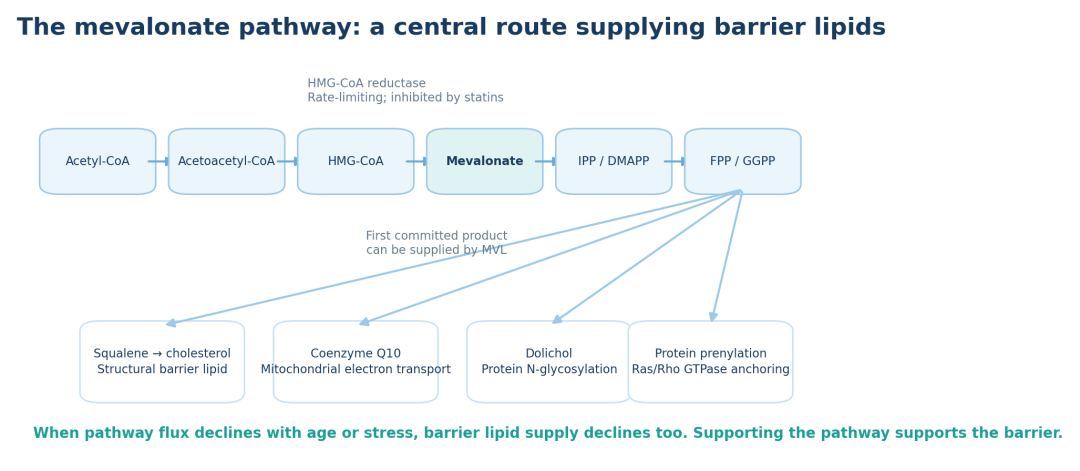
  • HMG-CoA reductase: the rate-limiting step; inhibited by statins.
  • Mevalonate: the first committed product; can be supplied by mevalonolactone.
  • Squalene → cholesterol: a structural lipid of the stratum corneum barrier.
  • Coenzyme Q10: supports mitochondrial electron transport and antioxidant defense.
  • Dolichol: supports protein N-glycosylation in the endoplasmic reticulum.
  • Protein prenylation: anchors Ras/Rho-family signaling GTPases to membranes.

When pathway flux declines with age or stress, the supply of barrier lipids declines as well. Supporting the pathway supports the barrier.

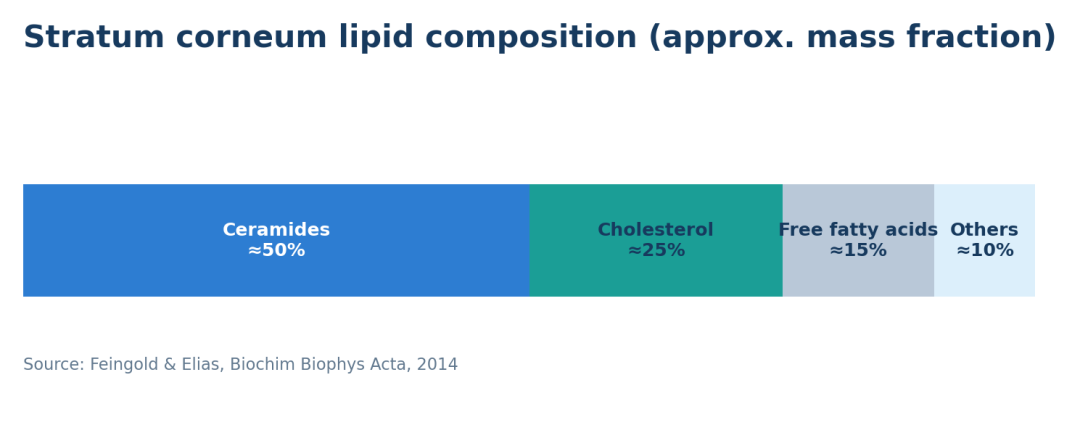
1.4 Ceramides, cholesterol, and free fatty acids form the “mortar” of the barrier


  • Ceramides: the backbone of lamellar sheets.
  • Cholesterol: regulates lamellar fluidity and packing; its synthesis is required for barrier repair.
  • Free fatty acids: complete the crystalline lipid matrix that limits water loss.

Of these three, cholesterol supply depends directly on the mevalonate pathway.

1.5 Blocking the pathway impairs the barrier; adding mevalonate restores it

Condition Observation
ControlVehicle-treated mouse epidermis Normal lamellar body structure; barrier recovery follows the normal time course after disruption.
Pathway inhibitionTopical HMG-CoA reductase inhibitor Abnormal lamellar body morphology; delayed barrier recovery.
Inhibition + mevalonateCo-application of mevalonate or cholesterol Lamellar body structure normalizes and recovery is rescued. Cholesterol produces the same rescue effect.

Epidermal cholesterol synthesis is causally required for barrier repair—and mevalonate supplementation can reverse this deficit.

Source: Feingold et al., J Clin Invest, 1990;86(5):1738–1745. Topical lovastatin model in mouse epidermis.

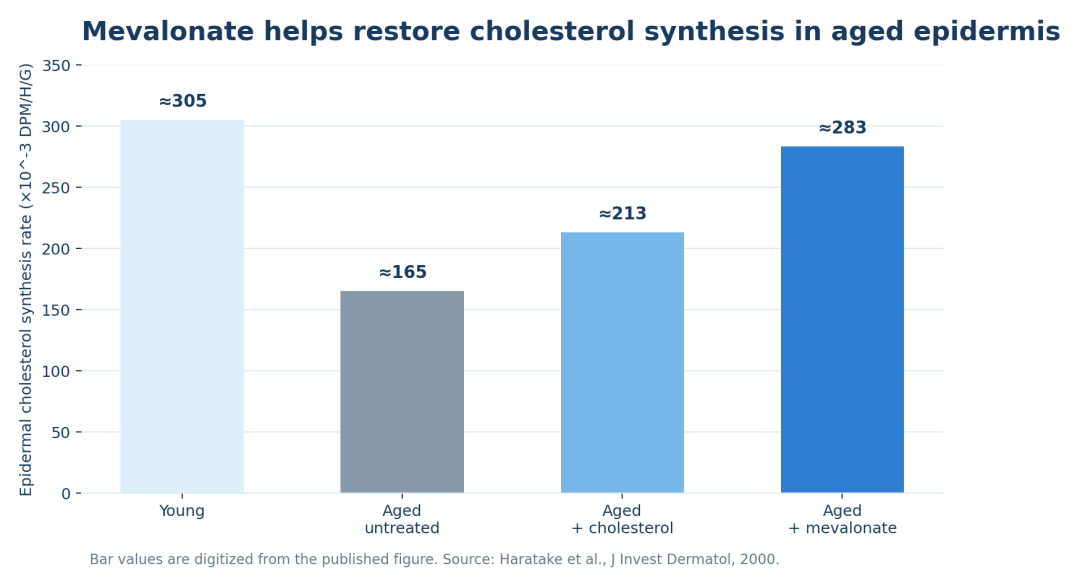
1.6 Cholesterol synthesis falls in aged epidermis—and mevalonate helps restore it

  • Cholesterol synthesis in aged epidermis falls to about half the young level.
  • Topical cholesterol only partially restores synthesis.
  • Topical mevalonate restores synthesis close to the young level and improves barrier recovery.
  • The effect is age-dependent: young skin is not affected.

Supplying a pathway substrate outperforms supplying the end product.

CHAPTER 02 · EVIDENCE

From cells to skin: lipid synthesis, 3D epidermal models, and a randomized human study

This chapter also includes independent technical literature on fermentation-derived (R)-mevalonolactone.

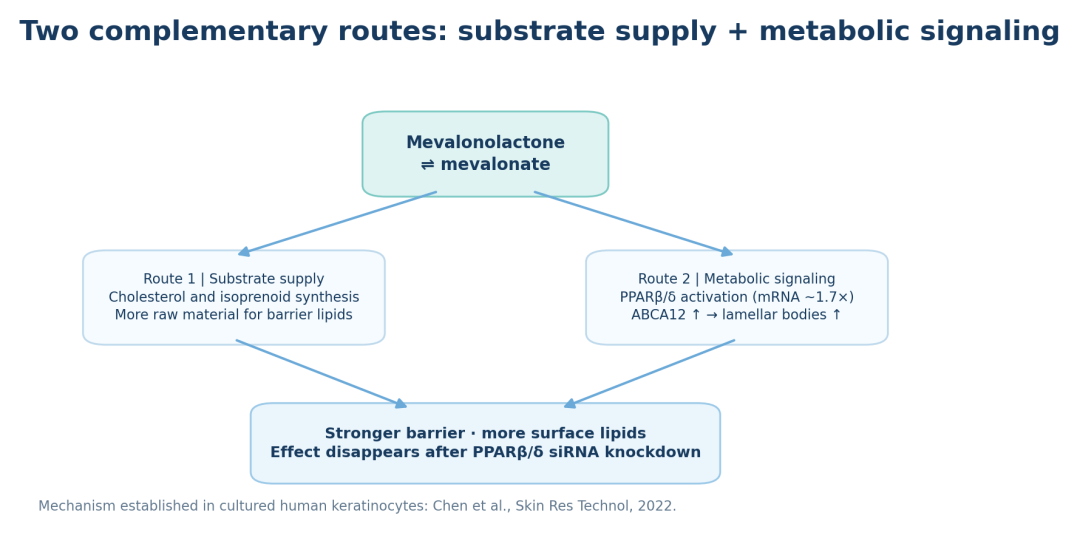
2.1 Two complementary routes in keratinocytes

  • Route 1 | Substrate supply: supplies the mevalonate pathway downstream of the rate-limiting step, supporting cholesterol, isoprenoid, ceramide, and free fatty acid production.
  • Route 2 | Metabolic signaling: mevalonate-derived signaling increases PPARβ/δ expression (mRNA ~1.7-fold), followed by increased ABCA12 and lamellar bodies, enabling more lipid transport and secretion into the stratum corneum.
  • The effect disappears after PPARβ/δ knockdown by siRNA.

Mechanism established in cultured human keratinocytes: Chen et al., Skin Res Technol, 2022;28(6):804–814.

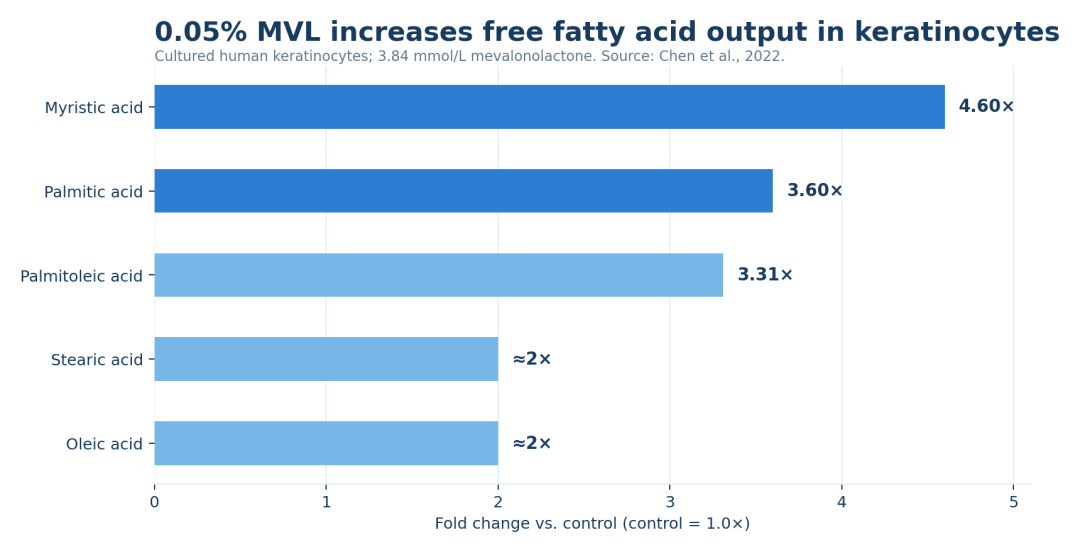
2.2 In vitro: free fatty acid output increases severalfold


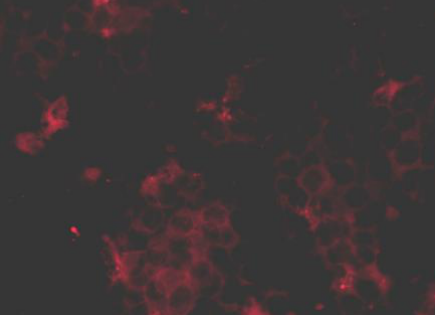
Control — Nile Red staining + MVL — stronger lipid fluorescence


Control — Nile Red staining + MVL — stronger lipid fluorescence
  • Free fatty acids are one of the three major structural lipids of the barrier.
  • The largest increases occur in long-chain fatty acids—the same family of raw materials used to build ceramides.
  • Nile Red fluorescence visually confirms the lipid increase in the same model.

This pathway does more than synthesize cholesterol—it amplifies the broader lipid-synthesis program.

Fold changes: Chen et al., Skin Res Technol, 2022. Nile Red images: independent technical literature on fermentation-derived (R)-mevalonolactone, presented at the 132nd Annual Meeting of the Pharmaceutical Society of Japan.

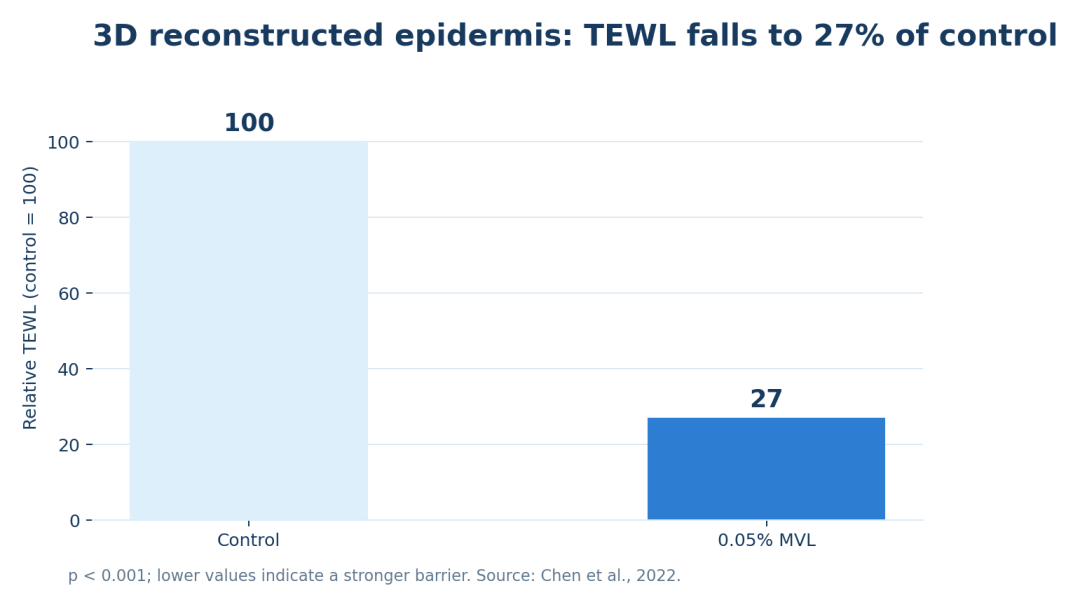
2.3 3D epidermal model: TEWL falls to 27% of control

  • TEWL (transepidermal water loss) is a standard functional measure of barrier integrity.
  • A 73% reduction in a living, stratified epidermal model goes beyond what a single-cell assay can show.
  • The result connects cellular lipid data with tissue-level barrier performance.

From lipid biochemistry to a functional barrier—closed within the same model system.

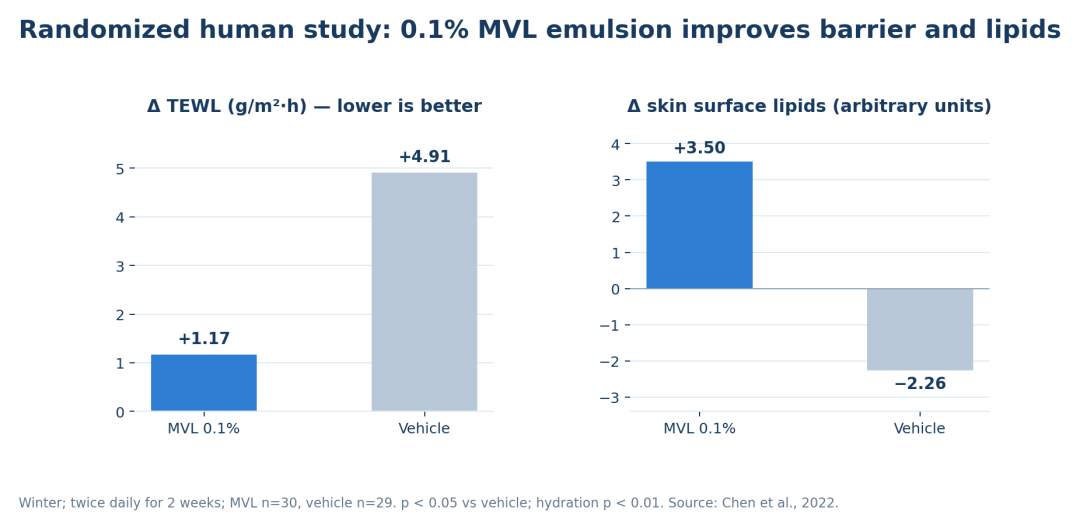
2.4 Randomized human study: 0.1% MVL emulsion improves barrier and lipids

Sixty-six women in winter; randomized, vehicle-controlled; 0.1% mevalonolactone emulsion applied twice daily for 2 weeks (MVL n=30 and vehicle n=29 included in the analysis).

  • Winter conditions increased TEWL; the MVL group barely increased (+1.17), while the vehicle group increased markedly (+4.91).
  • Surface lipids increased in the MVL group (+3.50) and decreased with vehicle (−2.26), consistent with the in vitro lipid data.
  • Stratum corneum hydration improved significantly versus vehicle (p < 0.01). Together, the three measures indicate a stronger, better-supplied barrier.

The pathway-level mechanism observed in vitro translates into measurable benefits in human skin.

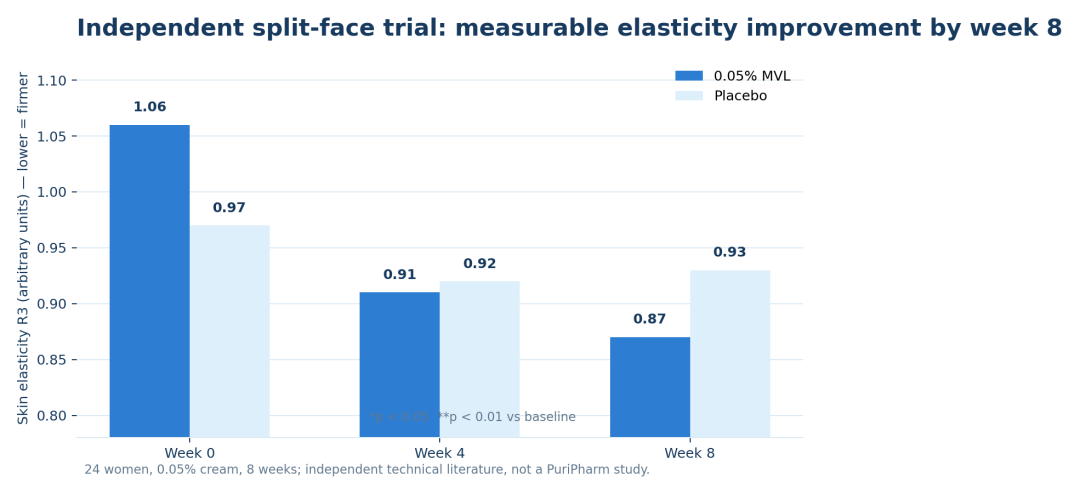
2.5 Independent split-face data: (R)-MVL is associated with visible wrinkle improvement

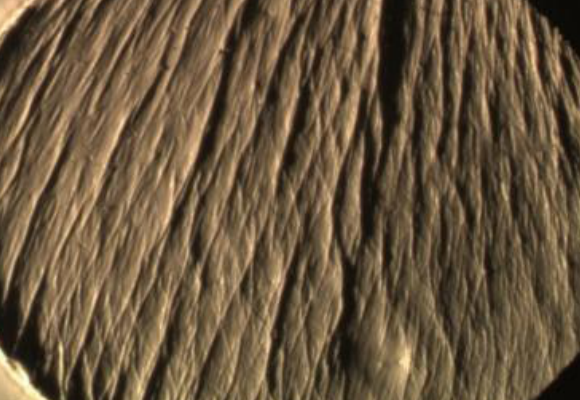
Independent technical literature on fermentation-derived (R)-mevalonolactone (not a PuriPharm study): randomized split-face trial, 24 women, 0.05% cream, 8 weeks.


Before use After 8 weeks


Before use After 8 weeks

Skin surface replicas (crow’s-feet area), SV600 analysis: finer and shallower texture after 8 weeks.

Additional data from the same literature

  • Water retention in a 3D epidermal model was approximately three times the control.
  • TEWL decreased from approximately 4.3 to 1.2 g/m²/h (n=9).

Source: independent technical literature on fermentation-derived (R)-mevalonolactone. Not a PuriPharm study; not measured data for MEVAL 100L.

2.6 Early signals beyond the barrier

Antioxidant network· The mevalonate pathway also builds the isoprenoid side chain of coenzyme Q10.· Patent literature proposes mevalonolactone to support epidermal CoQ10 and antioxidant defense.· Mechanistic rationale only; human data are not yet available. Microbiome and safety· MVL inhibits Staphylococcus epidermidis biofilm formation in vitro.· Relevant to the skin and scalp surface ecosystem.· Oral-intake studies report a favorable safety profile in models.

Directional early signals—development opportunities, not current product claims.

Sources: KR10-2018-0114391 A (melanin/tyrosinase); DE10148266 A1 (CoQ10 concept); Scopel et al., 2014, PMID 24111986; Yogev et al., PNAS, 2023;120(7):e2217831120.

2.7 Summary: one molecule, a five-step chain

Step Link Meaning
01 Pathway supply Mevalonate energizes lipid-synthesis pathways
02 Lipid output ↑ Cholesterol, free fatty acids, ceramide precursors
03 Barrier function ↑ TEWL falls in 3D epidermis and human skin
04 Hydration and lipids ↑ Human RCT: hydration and surface lipids increase
05 Firmness and texture Literature: improved elasticity and wrinkle appearance

Healthy aging means keeping the skin’s own production line running.MEVAL 100L supports the source—not just the surface.

CHAPTER 03 · SCALP AND HAIR

The same pathway: hair follicles and epidermis share a lipid supply line

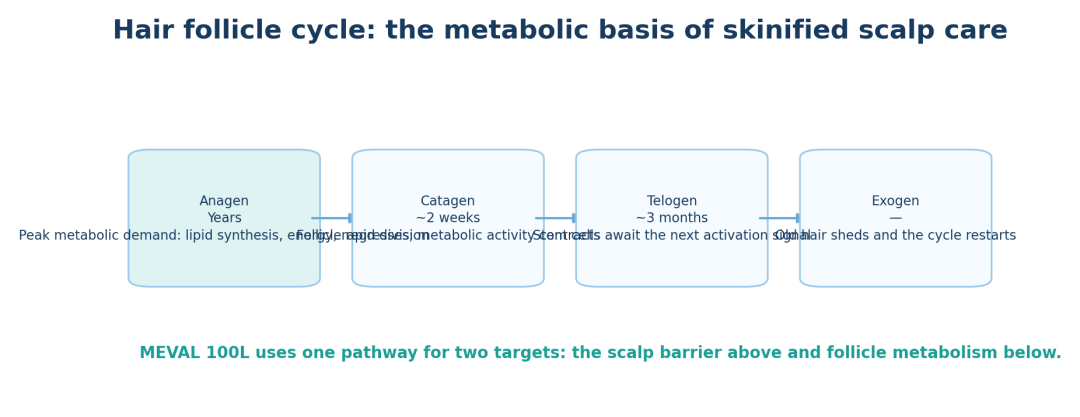
The hair follicle is one of the most metabolically active structures in the human body.

3.1 Hair follicles and epidermis rely on the same cholesterol supply

What the literature shows

  • The follicular cholesterol-synthesis machinery is highly active. DHCR24, the terminal enzyme of cholesterol synthesis, is strongly expressed in hair follicles, and cholesterol is incorporated into the hair shaft during hair formation.
  • The pathway is downregulated in hair loss. HMGCR and HMGCS1—genes controlling mevalonate production—are downregulated in patients with alopecia.
  • Disrupting lipid signaling damages follicles. PPARγ deletion causes scarring alopecia in animal models.
  • Recent research links cholesterol to hair growth. A 2025 report connects cholesterol with sympathetic-nerve activation, hair-follicle stem-cell proliferation, and hair loss when synthesis is blocked.
ImplicationCholesterol supply in the follicle is active and essential—and compromised in hair loss. Rational entry pointA pathway-supporting active can supply the substrate used by the tissue’s own lipid-building machinery.

Sources: Palmer et al., 2020; Karnik et al., 2009; Nikhila et al., 2025; Guo et al., 2025. Follicle data are literature evidence, not measured results for MEVAL 100L.

3.2 Scalp care is becoming “skinified”—and the follicle is a metabolic organ

The scalp is skin· The scalp stratum corneum uses the same lipid triad: ceramides, cholesterol, and free fatty acids.· Barrier damage appears as dryness, tightness, and flaking—the most common scalp-care concerns.· A healthy scalp barrier is the foundation for all hair benefits. The follicle is a metabolic organ· Anagen follicles are among the most metabolically active tissues in the body.· Hair-shaft construction depends on cholesterol synthesis and lipid supply.· Pathway genes are downregulated in hair loss—supply matters.

MEVAL 100L uses one pathway for two targets: the scalp barrier above and follicle metabolism below.

CHAPTER 04 · PURIPHARM PLATFORM

Synthetic biology turns pathway insight into a manufacturable active

High purity, the correct enantiomer, clean production, and scalability.

4.1 Producing mevalonolactone in a nature-inspired way

Traditional chemical route PuriPharm route — fermentation
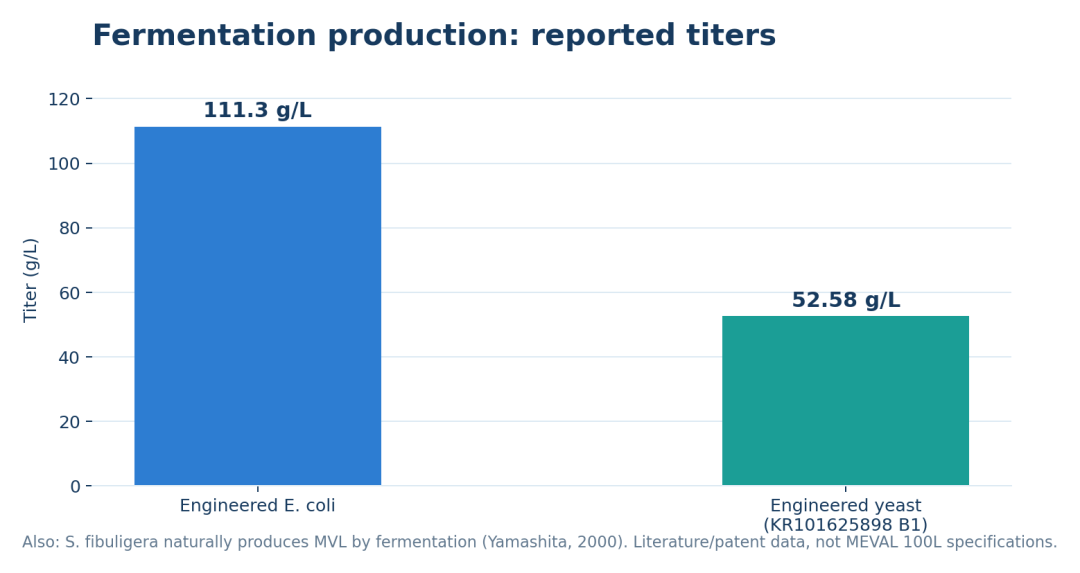
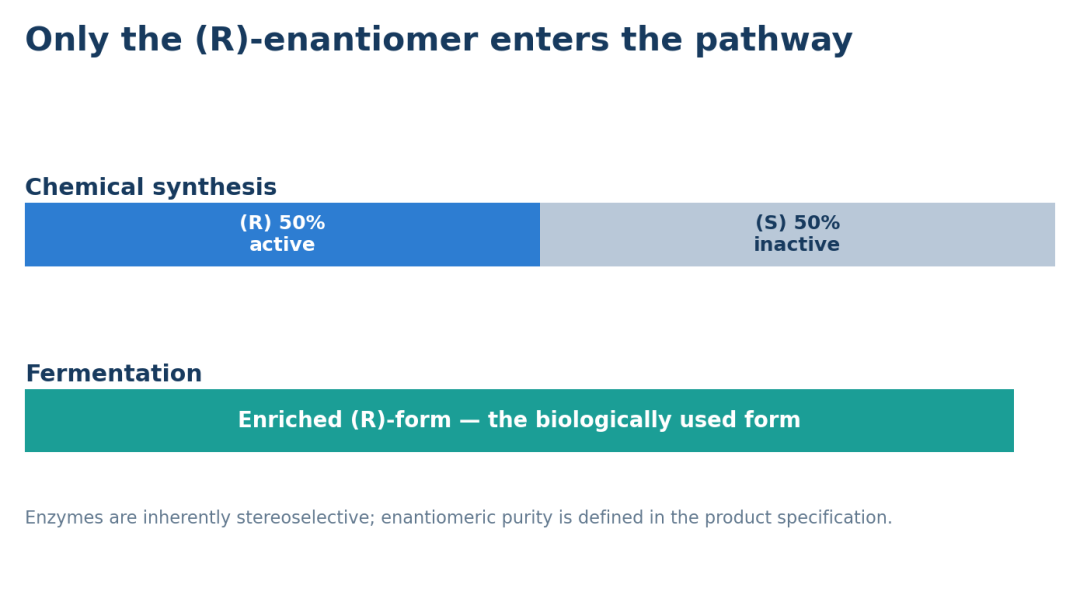
· Petrochemical feedstocks· Multi-step synthesis relying on protecting-group chemistry· Racemic product—50% (R), 50% inactive (S)· Solvent-intensive purification· Process waste at every step · Renewable feedstocks—sugars rather than petrochemicals· Engineered microorganisms run the full pathway in a single fermenter· Stereoselective—the biologically active (R)-enantiomer· Mild aqueous conditions—ambient temperature and pressure· Scalable—reported titers above 100 g/L in the literature

Literature and patent data; not specifications for MEVAL 100L.

4.2 Three disciplines, one value chain

01 Biology identifies the pathway.
02 Biotechnology manufactures the active.
03 Cosmetic science turns it into benefits.

This is the PuriPharm development model behind MEVAL 100L.

4.3 Only the (R)-enantiomer enters the pathway

  • Mevalonolactone has one stereocenter; the (R)-form is the natural form used by mevalonate kinase.
  • The (S)-form does not enter the pathway.
  • Half of a racemic mixture is an inactive “passenger.” Enantioselective fermentation removes it—every gram of MEVAL 100L is in the form skin can use.

4.4 Precision biology, cleaner chemistry

  • Renewable feedstocks: sugars replace petrochemical starting materials.
  • Mild aqueous fermentation: ambient temperature and pressure, without harsh reagents.
  • Fewer steps, less waste: one fermenter replaces a multi-step synthesis sequence.
  • A molecule biology already knows: the lactone hydrolyzes to mevalonate, a natural human metabolite.

Qualitative process attributes only; no quantitative sustainability claim is made. Life-cycle data are available upon request.

CHAPTER 05 · PRODUCT AND APPLICATIONS

MEVAL 100L: a clearly characterized molecule with nothing to hide

5.1 Product identity and recommended use level

INCI name Mevalonolactone
CAS / EC No. 674-26-0 / 211-615-0
Formula C6H10O3 · MW 130.14 g/mol · water-miscible lactone
Stereochemistry (R)-enantiomer—the bioactive form, produced by fermentation
CosIng function Humectant (EU CosIng database)
IECIC 2021 (China) Listed, No. 03342—historical maximum leave-on use level 0.05%
Recommended use 0.05–1%—based on published in vitro and human studies

Only publicly verifiable identity information is listed here; no specifications are invented. Full product specifications (appearance, purity, enantiomeric excess, microbial limits) are available from PuriPharm Co., Ltd.

5.2 One active, six skin-care directions (ranked by evidence strength)

Direction Evidence Product relevance
01 Barrier repair Human RCT Daily moisturizing and barrier creams. Supplies substrate for all three barrier lipids; TEWL benefits are validated in 3D epidermis and human skin.
02 Healthy aging and firming Technical literature Elasticity and wrinkle-appearance care. Independent split-face data for (R)-MVL show measurable improvement within 8 weeks.
03 Dry and sensitive skin Human RCT Winter protection and recovery. In the randomized study, hydration increased and surface lipids were preserved under winter stress.
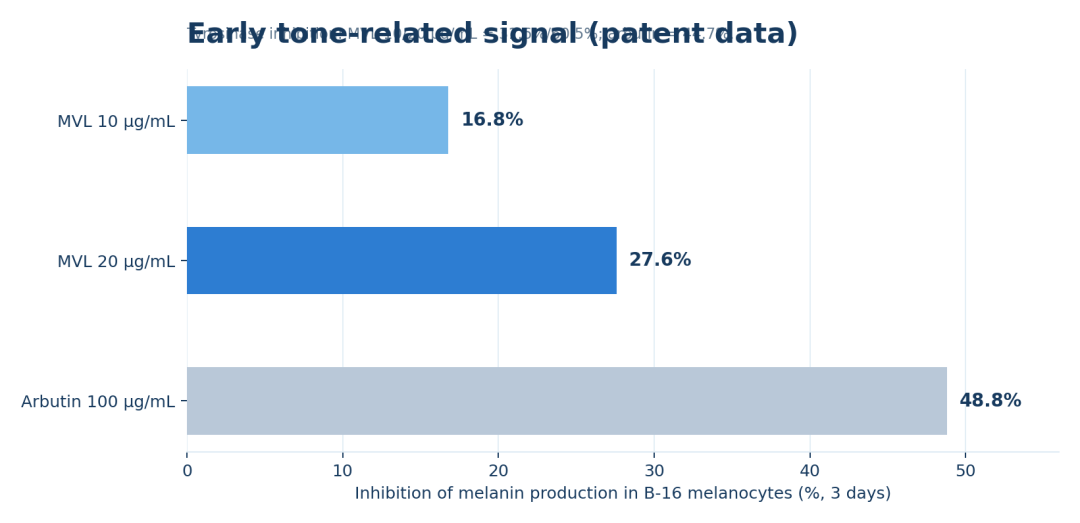
04 Tone and radiance Exploratory Patent data show inhibition of melanin and tyrosinase in B-16 melanocytes. A development direction, not a claim.
05 Antioxidant support Exploratory The same pathway builds the side chain of coenzyme Q10, providing a mechanistic basis for pairing with antioxidant systems.
06 Microbiome-friendly care Exploratory In vitro inhibition of S. epidermidis biofilm suggests relevance to the surface ecosystem. Early signal only.

Directions 04–06 are supported only by patent-level or in vitro data; they represent development potential, not finished-product claims.

5.3 Scalp and hair: four entry points, one logic

01 Scalp barrier care|Skin evidence directly applicableLeave-on scalp tonics and serums for dry, tight, flaky scalps. The scalp stratum corneum uses the same lipid triad as facial skin—barrier evidence can be transferred directly.
02 Hair-growth support concept|ExploratoryThe follicular cholesterol machinery is active during anagen and downregulated in hair loss. Supplying pathway substrate is a rational—but still to be validated—growth-support strategy.
03 Aging-scalp care|Analogy to skin agingScalp skin ages like facial skin: lipid synthesis declines and the barrier weakens. The healthy-aging logic from Chapter 2 naturally extends to the scalp.
04 Microbiome-friendly scalp care|ExploratoryIn vitro biofilm inhibition points toward scalp-ecosystem applications—an early signal to be developed, not a claim.

Follicle-level evidence comes from pathway literature; product-level hair claims require dedicated studies. PuriPharm welcomes co-development projects.

5.4 Three skin-care concepts to start the co-development conversation

Concept A · Face | Metabolic barrier serum

0.1% MEVAL 100L combined with a ceramide–cholesterol–free fatty acid complex. Substrate plus building blocks: the serum replenishes finished lipids while feeding lipid synthesis.

Evidence anchor—human RCT: TEWL remained at +1.17 versus +4.91 with vehicle; hydration and surface lipids increased.

Concept B · Face/body | Winter repair cream

0.05–0.1% MEVAL 100L in a rich physiological-lipid base. Designed for seasonal barrier stress: dryness, tightness, and elevated TEWL in cold weather.

Evidence anchor—the randomized study was conducted in winter under real barrier stress.

Concept C · Face | Firming serum

0.05% MEVAL 100L paired with a peptide system. A metabolic view of firming: lipid supply improves skin quality while peptide signaling acts on the dermal matrix.

Evidence anchor—technical literature: elasticity R3 improved within 8 weeks (0.05% cream).

Concepts are illustrative starting points for co-development. Final claims must be validated in the finished formula; technical-literature anchors do not constitute measured data for MEVAL 100L.

5.5 Three scalp and hair concepts on the same platform

Concept A · Leave-on scalp | Scalp barrier tonic

0.05–0.1% MEVAL 100L in a lightweight water-based scalp tonic. Addresses dryness, tightness, and flaking at the source—the scalp’s own lipid supply.

Logic anchor—scalp barrier biology matches facial skin; skin RCT evidence can be transferred directly.

Concept B · Scalp serum | Anagen-support serum

0.1% MEVAL 100L in a follicle-directed leave-on serum. A metabolic concept for hair-density care: support the pathway on which anagen follicles depend.

Logic anchor—pathway genes are downregulated in hair loss (literature). Product-level validation is required.

Concept C · Scalp essence | Aging-scalp essence

0.05–0.1% MEVAL 100L paired with antioxidant ingredients. Extends the healthy-aging story to the scalp: lipid supply, barrier quality, and comfort.

Logic anchor—cholesterol data in aged skin (Haratake 2000) are relevant to scalp-skin aging.

Concepts are illustrative starting points for co-development. Hair-growth positioning is exploratory and requires dedicated product-level studies before any claim is made.

5.6 Formulating with MEVAL 100L: simple, compatible, literature-guided

Practical guidance Pairing logic
· Use level: 0.05–1%. Human data are concentrated at 0.05–0.1%; observe local limits (China IECIC: historical maximum leave-on use level 0.05%).· Water-miscible lactone. Can be added directly to aqueous systems and the water phase of emulsions.· Lactone ⇌ acid equilibrium. In water, MVL equilibrates with mevalonate—both are pathway-relevant; conventional skin-care pH is suitable.· Small, stable molecule. MW 130.14—no macromolecular handling constraints.· Compatible with physiological lipids. Designed to pair with ceramides, cholesterol, and fatty acids. + Physiological lipidsSubstrate + building blocks—a complete barrier concept+ HumectantsBarrier lipid supply + water retention—a moisturization concept+ Peptides / antioxidantsMetabolic support + signaling actives—a firming concept

General literature-guided recommendations, not a validated formula. PuriPharm technical service can provide starting formulations and stability support upon request.

CHAPTER 06 · COMMERCIAL VALUE

From science to market: the four-dimensional value framework of MEVAL 100L

01 DifferentiationA new mechanism story—metabolic support for the skin’s own lipid production, not another moisturizer or occlusive.
02 EvidenceA layered evidence package: human RCT, 3D epidermis, and keratinocyte mechanism—plus clearly labeled independent literature.
03 SupplyA fermentation platform: renewable feedstocks, (R)-selectivity, and scalability—consistent quality from batch to batch.
04 ComplianceEstablished INCI identity, CosIng function, and IECIC 2021 listing—a well-documented ingredient.

A differentiated story the marketing team can tell,and an evidence chain the regulatory team can defend.

Four market currents converge in one molecule

Barrier-first skin care Consumers increasingly see barrier health as the foundation of skin quality. MEVAL 100L goes directly to barrier biology—and is supported by human data.
Skin longevity and healthy aging The category is shifting from anti-aging correction toward maintaining the skin’s own production capacity—exactly the metabolic story of the mevalonate pathway.
Skinification of scalp care Scalp products increasingly borrow skin-care actives and language. MEVAL 100L brings scalp-relevant barrier and follicle logic.
Green biotech actives Brands are replacing petrochemical synthesis with fermentation. MEVAL 100L is made by synthetic biology: renewable feedstocks, (R)-selectivity, and clean production.

Positioning MEVAL 100L means standing at the intersection of these four currents.

Qualitative trend mapping only—no market-statistics claim is included.

Why MEVAL 100L: five reasons, one molecule

  1. A real mechanism—the mevalonate pathway is causally required for barrier repair.
  2. Human evidence—a randomized, vehicle-controlled study on real winter-stressed skin.
  3. The correct enantiomer—(R)-selective fermentation rather than a racemic compromise.
  4. Clean and scalable—synthetic-biology production based on renewable feedstocks.
  5. A dual platform—one active spanning skin care and scalp/hair care.

High purity · High activity · Clean production · Green biotechnology

REFERENCES AND DATA SOURCES

  1. Chen B, Lu N, Lee KS, Ye L, Hasegawa C, Maeda K. Application of mevalonolactone prevents deterioration of epidermal barrier function by accelerating the lamellar granule lipid transport system. Skin Res Technol. 2022;28(6):804–814. doi:10.1111/srt.13202.
  2. Feingold KR, Man MQ, Menon GK, Cho SS, Brown BE, Elias PM. Cholesterol synthesis is required for cutaneous barrier function in mice. J Clin Invest. 1990;86(5):1738–1745.
  3. Haratake A, Ikenaga K, Katoh N, Uchiwa H, Hirano S, Yasuno H. Topical mevalonic acid stimulates de novo cholesterol synthesis and epidermal permeability barrier homeostasis in aged mice. J Invest Dermatol. 2000;114(2):247–252. doi:10.1046/j.1523-1747.2000.00875.x.
  4. Feingold KR, Elias PM. Role of lipids in the formation and maintenance of the cutaneous permeability barrier. Biochim Biophys Acta. 2014;1841(3):280–294. doi:10.1016/j.bbalip.2013.11.007.
  5. Edwards PA, Lan SF, Tanaka RD, Fogelman AM. Mevalonolactone inhibits the rate of synthesis and enhances the rate of degradation of 3-hydroxy-3-methylglutaryl coenzyme A reductase in rat hepatocytes. J Biol Chem. 1983;258(12):7272–7275.
  6. Scopel M, Abraham WR, Antunes AL, Henriques AT, Macedo AJ. Mevalonolactone: an inhibitor of Staphylococcus epidermidis adherence and biofilm formation. Med Chem. 2014;10(3):246–251. doi:10.2174/15734064113096660055.
  7. Yogev Y, Shorer Z, Koifman A, et al. Limb girdle muscular disease caused by HMGCR mutation and statin myopathy treatable with mevalonolactone. Proc Natl Acad Sci USA. 2023;120(7):e2217831120. doi:10.1073/pnas.2217831120.
  8. Palmer MA, Blakeborough L, Harries M, Haslam IS. Cholesterol homeostasis: links to hair follicle biology and hair disorders. Exp Dermatol. 2020;29(4):299–311. doi:10.1111/exd.13993.
  9. Karnik P, Tekeste Z, McCormick TS, Gilliam AC, Price VH, Cooper KD, Mirmirani P. Hair follicle stem cell-specific PPARγ deletion causes scarring alopecia. J Invest Dermatol. 2009;129(5):1243–1257.
  10. Panicker SP, Ganguly T, Consolo M, Price V, Mirmirani P, Honda K, Karnik P. Sterol intermediates of cholesterol biosynthesis inhibit hair growth and trigger an innate immune response in cicatricial alopecia. PLoS One. 2012;7(6):e38449. doi:10.1371/journal.pone.0038449.
  11. Nikhila L, Surya S, Najeeb SH, et al. Disrupted cholesterol biosynthesis and hair follicle stem cell impairment in the onset of alopecia. PLoS One. 2025;20(9):e0308455. doi:10.1371/journal.pone.0308455.
  12. Guo M, Jiang J, Zhang A, Yu W, Huang X. Cholesterol promotes hair growth through activating sympathetic nerves and enhancing the proliferation of hair follicle stem cells. Mol Med. 2025;31(1):86. doi:10.1186/s10020-025-01139-z.
  13. Yamashita M, et al. Mevalonolactone fermentation by Saccharomycopsis fibuligera. Fragrance Journal. 2000;28(2):62–65.
  14. Korean patent application KR10-2018-0114391 A (skin-brightening use of mevalonolactone); Korean patent KR101625898 B1 (fermentative production); German patent application DE10148266 A1 (CoQ10 support); international application WO2021041363 A1 (lipidomic effects).
  15. Independent technical literature on fermentation-derived (R)-mevalonolactone: split-face elasticity study (0.05% cream, 8 weeks, n=24) and Nile Red lipid data, 132nd Annual Meeting of the Pharmaceutical Society of Japan.

Data labeled as “technical literature” in this presentation were generated with fermentation-derived (R)-mevalonolactone—not MEVAL 100L—and are shown only as literature evidence.

Let’s build the next generation ofmetabolic actives together.

PuriPharm Co., Ltd.Building 6, No. 1366 Hongfeng Road, Huzhou, Zhejiang, China+86 572 2745768 · www.puriactives.com

PuriActives® MEVAL Mevalonolactone 100L — Product Presentation

NanoActive® Phyto-Retinal Booster

The Ultimate Synergy of Retinaldehyde and Silymarin: Pioneering Advanced Bioretinoid Therapy

Manufacturer: PuriPharm Co. Ltd.

Product Category: High-efficacy Functional Actives (PuriActives®) / Advanced Nano Delivery Systems (NanoActive®)

INCI Name: Water, Glycerin, Phospholipids, Retinal, Silybum Marianum (Milk Thistle) Extract, Caprylic/Capric Triglyceride

1. Product Concept: Solving the “Retinoid Paradox”

In the landscape of dermatology, Retinoids remain the gold standard for age-reversal. However, the industry has long been hindered by the “Retinoid Paradox”—the inverse relationship between biological potency and skin tolerance.

  • The Demand for High-Potency Anti-Aging: Traditional Retinol requires two metabolic oxidation steps to become active, often leading to “Retinoid Dermatitis” (peeling, erythema) at effective concentrations.
  • The Sensitive Skin Frontier: There is a critical market need for a solution that provides deep dermal restructuring without compromising the integrity of the epidermal barrier.

NanoActive® Phyto-Retinal Booster overcomes these challenges by integrating Retinaldehyde (the one-step precursor to Retinoic Acid) with Silymarin (a natural bio-shield) within a proprietary nano-encapsulation matrix. This is not merely a combination of ingredients, but a fundamental reconfiguration of skin pharmacokinetics.

2. Bio-Actives & Molecular Mechanisms

I. Retinaldehyde (Retinal): The “One-Step” Metabolic Pathway

Retinaldehyde is the direct precursor to Retinoic Acid. By bypassing the slow, rate-limiting oxidation step required by Retinol, it delivers superior performance:

  • Metabolic Efficiency: Retinal is converted into active Retinoic Acid up to 11 times more efficiently than Retinol within skin cells.
  • Targeted Remodeling: It actively triggers fibroblasts to up-regulate Collagen Type I, Type III, and Elastin, significantly strengthening the Dermo-Epidermal Junction (DEJ).

II. Silymarin: The Phyto-Shield against Inflammaging

Silymarin acts as both a biological buffer and a potent anti-aging active in its own right:

  • Inhibiting Inflammaging: By precisely inhibiting the NF-κB signaling pathway, Silymarin blocks the release of pro-inflammatory cytokines, fundamentally mitigating the risk of “Retinoid-induced” irritation.
  • Molecular Stabilization: Its robust radical scavenging capacity neutralizes UV-induced ROS, shielding the sensitive Retinal molecule from photodegradation.

3. NanoActive® Advanced Delivery System

Utilizing biomimetic phospholipid bilayer technology, PuriPharm encapsulates these actives into ultra-fine vesicles (~10-100nm) for “Smarter Delivery”:

  • Superior Permeation: The extremely small particle size (~50nm average) allows the vesicles to navigate the intercellular lipid matrix, reaching the basal layer and upper dermis with ease.
  • Controlled Release & Bioavailability: By mimicking the skin’s natural cell membranes, the system ensures high compatibility and a sustained release profile, preventing the “concentration spikes” that cause acute irritation.
  • Chemical Shielding: Provides a physical barrier against oxygen and UV radiation, dramatically extending the shelf-life and efficacy of the Retinal molecule in final formulations.

4. Technical Advantages & Formulation Guidelines

  • Water-soluble: Unlike conventional hydrophobic Retinal, this system is fully water-dispersible, allowing for the creation of high-performance serums, lightweight night creams, and even transparent formulations.
  • Enhanced Safety Profile: Clinical evaluations demonstrate a reduction in irritation scores by over 60% compared to free Retinol at equivalent biological activity levels.
  • Color & Stability: Yellow to brownish-yellow viscous liquid. Our stabilization technology prevents the severe browning/yellowing issues common with traditional Retinal powders.

5. Efficacy Data: From Science to Results

  • Cellular Regeneration: +45% increase in Keratinocyte proliferation within 72 hours (in-vitro).
  • Genetic Up-regulation: mRNA expression for Collagen Type I and III increased by over +120%.
  • Clinical Efficacy: 28-day in-vivo studies show significant reduction in wrinkle depth and visible improvements in skin density and luminosity.

6. Application Guidelines

  • Recommended Dosage: 1.0% – 5.0%
  • Optimal pH Range: 4.5 – 6.5 (Aligns with skin’s natural acidity while maximizing carrier stability).
  • Processing: Cold process highly recommended; add at the end of the manufacturing cycle.

PuriPharm Co. Ltd. (浦瑞生物医药技术有限公司)

Leading Advanced Nano Delivery: Transforming Molecular Science into Exceptional Efficacy.

ACTIVE SCIENCE. ADVANCED DELIVERY. REAL IMPACT.

From Science to Results.

Contact: service@puripharm.com

NanoActive MN PRODUCT DATA SHEET

Manufacturer: PuriPharm Co. Ltd.

1. Product Overview

NanoActive MN is an advanced, high-performance bioactive ingredient engineered specifically for premium skin and hair care formulations. Utilizing state-of-the-art nano-delivery technology, NanoActive MN features a specialized lipophilic tail that drastically improves skin penetration while minimizing the irritation and sensitization traditionally associated with unmodified nicotinic acid.

Once delivered into the skin, it undergoes targeted conversion into Nicotinamide Adenine Dinucleotide (NAD+), a critical coenzyme that orchestrates cellular energy metabolism, DNA repair, and lipid synthesis, fundamentally reversing the age-related decline of skin and hair follicle vitality.

2. INCI & Chemical Information

  • INCI Name: Myristyl Nicotinate
  • Product Type: Nano-encapsulated Bioactive Agent

3. Technology Highlights

PuriPharm Co. Ltd. leverages proprietary core technologies to ensure maximum efficacy:

  • Nano Delivery System: Advanced nanotechnology ensures optimized bioavailability and targeted, deep-layer delivery of the active compound.
  • Enhanced Penetration: The lipophilic modification facilitates superior transepidermal transportation.
  • Targeted Action: Precisely targets local skin cells and hair follicles where esterase activity initiates the conversion process.
  • Improved Stability: Formulated to protect the active core, ensuring long-term shelf-life and robust compatibility within complex cosmetic matrices.

4. Mechanism of Action: The NAD+ Pathway

NAD+ levels natively decline by up to 50% by middle age, leading to compromised cellular repair and energy metabolism.

NanoActive MN effectively addresses this:

  1. Enzymatic Cleavage: Upon penetration, native skin esterases selectively cleave the lipophilic tail of NanoActive MN.
  2. Conversion: The molecule is efficiently converted into the active coenzyme NAD+ via cellular synthetic pathways.
  3. Cellular Optimization: The synthesized NAD+ directly fuels mitochondrial energy generation, upregulates barrier lipid synthesis, and supports genomic (DNA) repair, combating oxidative stress and cellular senescence.

5. Proven Cosmetic Benefits & Efficacy Data

NanoActive MN has demonstrated remarkable results across comprehensive clinical andin vitroevaluations:

A. Profound Skin Barrier Repair

  • Visual & Structural Improvement: Clinical studies demonstrate a 250% improvement in barrier function on facial skin and an 11% improvement on the forearm volar surface (at 5% use level).
  • Epidermal Fortification: Induces a highly significant 70% increase in epidermal thickness (compared to a 13% increase in the control group).
  • Tight Junction Enhancement: Upregulates ZO-1 protein expression (3.38-fold relative expression at 0.04 mg/mL), physically reinforcing the skin barrier.

B. Anti-Aging & Cellular Renewal

  • Accelerated Renewal: Safely accelerates skin cell renewal by reducing Dansyl turnover time and increasing Minimal Erythema Dose (MED) without inducing photosensitivity.
  • Antioxidant Capacity: Exhibits excellent DPPH radical scavenging ability (6.10% maximum clearance at 0.3125%).

C. Hair Follicle Vitality & Anti-Hair Loss

  • Scalp Energy: Converts to NAD+ within the scalp, enhancing cellular ATP, stimulating follicle cell renewal, and actively neutralizing oxidative stress.
  • Clinical Hair Improvement: Well-designed clinical trials confirm significant improvements in hair abundance, density, hair shaft thickness, and overall hair quality with zero reported adverse effects.

D. Synergistic Efficacy with Retinoids

  • Retinol Companion: When formulated alongside retinoic acid or its derivatives, NanoActive MN acts as a potent buffer—significantly reducing retinoid-induced irritation and Transepidermal Water Loss (TEWL) while amplifying overall anti-aging efficacy.

6. Formulation Guidance & Compatibility

NanoActive MN is designed for seamless integration into modern cosmetic chemistry.

  • Suggested Use Level: 0.2% – 5.0%
  • Suitable Formulations: O/W and W/O Emulsion systems, Creams, Lotions, Serums, Essential Oils, Massage Oils, and Cleansing products.
  • Ingredient Compatibility: Exhibits excellent compatibility with a wide array of cosmetic raw materials including UV filters, emollients, humectants, natural oils, potent antioxidants, emulsifiers, thickeners, and retinoids. Minimal degradation is observed even in complex formulation matrices.

7. Recommended Applications

  • Advanced Facial Care: Anti-aging creams, barrier-repair lotions, and high-potency cellular regeneration serums.
  • Eye Care: Non-irritating eye creams and serums targeting fine lines and delicate skin reinforcement.
  • Hair & Scalp Care: Anti-hair loss treatments, scalp energizing tonics, and hair density serums.
  • Color Cosmetics: Functional lipsticks, lip glosses, eyeliners, and mascaras requiring bioactive support.

8. Storage, Stability, and Handling

  • Long-Term Stability: Demonstrates exceptional stability; viable for 24 months at room temperature in various formulations. Withstands accelerated stability testing (3 months at 40°C).
  • Storage Conditions: Store in a cool, dry environment between 4°C and 25°C. Protect from direct sunlight and moisture. Keep the original container tightly sealed when not in use.

Disclaimer:The information contained in this document is provided in good faith and is based on our current laboratory data and technical knowledge. It is intended for informational purposes only. Formulators are responsible for ensuring the stability, safety, and legal compliance of their final consumer products. PuriPharm Co. Ltd. makes no warranties, expressed or implied, regarding the use of this product.

Bioactive HD 100

Hexamidine diisethionate;HD-100;BioActive HD 100;Elestab HP 100.

anti-dandruff; anti-acne; anti-dermatitis; deodorizing; stratum corneum repair; skin anti-aging.

CAS: 659-40-5.

Continue reading→