NanoActive™ PhytoRetin Duo

NanoActive™ PhytoRetin DuoNano-Encapsulated Dual Botanical Retinoid

Dual-phase botanical smoothing × retinoid-like renewal

Smooth today. Renew tomorrow.

Made with PURISOME® FlexVes™ liposome technology
PuriPharm Co. Ltd. · Innovation for health & beauty · www.puriactives.com

THE ANTI-AGING CHALLENGE · 抗老挑战

Visible skin aging runs on two different clocks

Seconds → hoursThe apparent dimension of aging — seen and felt

· Facial-expression-related skin micro-relief

· Temporary appearance of expression lines

· Surface irregularity and roughness

· The wrinkles consumers notice first — and most want to improve quickly

Weeks → monthsThe structural, biological dimension of aging

· Progressive loss of collagen and extracellular matrix

· Photoaging and cumulative oxidative stress

· Uneven pigmentation, slowed epidermal turnover

· Gradual loss of firmness and smoothness

Effective anti-aging care must answer both clocks — immediately visible smoothing, and progressive biological renewal.

THE CONCEPT · 产品概念

Two botanical strategies, two timelines, one advanced delivery platform

Acmella oleracea extract

Fast-phase botanical smoothing, targeting the appearance of expression lines

Bakuchiol

Renewal phase — retinoid-like collagen and photoaging care

PURISOME®

Nano-liposome platform unifying protection, delivery, and release

PhytoRetin Duo is designed to combine the two strategies — complementary, not redundant.

PRODUCT AT A GLANCE · 产品概览

PhytoRetin Duo at a glance

Item Details
INCI names ACMELLA OLERACEA EXTRACT / BAKUCHIOL
Positioning Dual-phase botanical smoothing × retinoid-like renewal
Technology platform PURISOME® FlexVes™ liposome technology — PuriPharm’s proprietary nano-liposome platform
Core benefits Instantly visible smoothing · expression-line appearance care · collagen support · photoaging care · tone and texture improvement
Applications Facial serums · eye care · night repair · sensitive-skin anti-aging · scalp essences

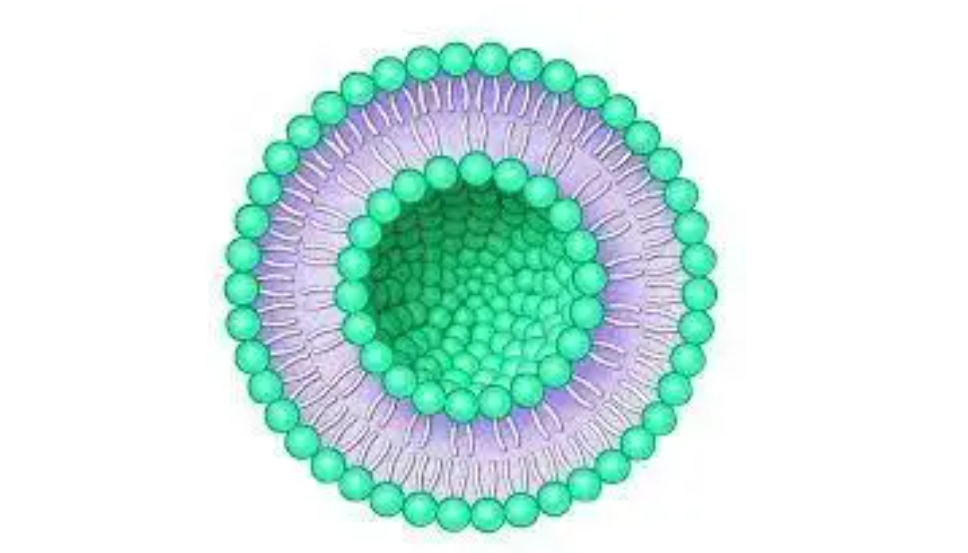
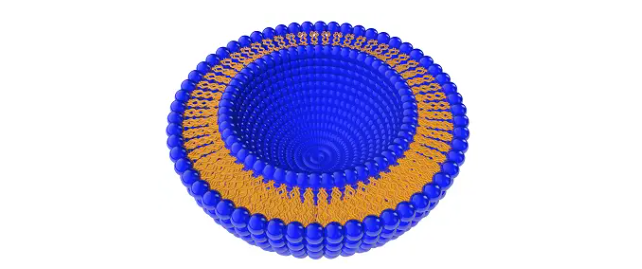
A phospholipid bilayer vesicle encapsulating both botanical actives

Smooth today. Renew tomorrow.

EFFICACY ARCHITECTURE · 功效架构

Why dual-phase anti-aging?

Minutes → days

Instant — the apparent level

· Rapidly and visibly smooths skin micro-relief

· Expression-line appearance care

· Surface refinement consumers can perceive quickly

Driven by Acmella oleracea extract

Weeks → months

Renewal — progressive biological renewal

· Retinoid-like renewal and collagen support

· Extracellular matrix protection and photoaging care

· Gradual improvement in tone, texture, and firmness

Driven by bakuchiol

One ingredient answers today’s mirror; the other invests in tomorrow’s skin.

ACTIVE ONE · FAST PHASE · ACMELLA

Acmella oleracea — plant science and active chemistry

A precision botanical for expression-line appearance.Acmella oleracea (the “electric daisy”) is an Asteraceae plant whose aerial parts are rich in N-alkylamides — most notably spilanthol, which gives the extract its signature sensory and smoothing activity. In cosmetics, the extract is positioned for rapidly visible smoothing and refinement of skin micro-relief, especially in expression-active areas such as the eye contour.

Active chemistry

· Spilanthol (N-isobutyl-2E,6Z,8E-decatrienamide) — the principal alkylamide in the flower heads

· One of the bioactive N-isobutylamides isolated and identified from Spilanthes acmella (synonym of Acmella oleracea)

· Lipophilic character — ideally suited to encapsulation in phospholipid vesicles

Cosmetic positioning:rapidly visible smoothing · expression-line appearance care · refinement of skin micro-relief

Sources: Ramsewak RS, et al. Phytochemistry. 1999;51(6):729–732. · Savić SM, et al. Int J Cosmet Sci. 2025;47(2):362–382. doi:10.1111/ics.13034

ACTIVE ONE · MECHANISM · 机制

Rapid smoothing — the story of expression lines

The biology of expression lines

1 Repeated facial movements create temporary mechanical folds in the skin surface

2 The folds alter skin micro-relief — fine surface lines appear around the eyes and mouth

3 With age and slowing turnover, the temporary creases become increasingly persistent and visible

Ex vivo evidence

In an ex vivo nerve–muscle co-culture model, Acmella oleracea extract produced a rapid, dose-dependent, and fully reversible inhibition of muscle-fiber contraction frequency.

Contractile activity recovered within one hour of washout — supporting a gentle, non-destructive cosmetic mode of action.

This evidence supports cosmetic smoothing claims only — no pharmacological or neuromuscular claims are made.

Acmella extract delivers rapidly perceptible smoothing of expression-line appearance — the “fast” half of the dual-phase strategy.

Source: Demarne F, Passaro G. Use of an Acmella oleracea extract in an anti-wrinkle cosmetic composition. US Patent 7,531,193 B2. 2009.

ACTIVE ONE · CLINICAL EVIDENCE · 临床证据

Acmella — measurable smoothing on human skin

Study design

· Test system: human volunteers, eye-contour and perioral areas

· Design: randomized, split-face, controlled reference

· Test product: serum containing Acmella oleracea extract

· Duration: 2 weeks, twice daily

· Endpoints: hydration, smoothness, roughness, desquamation, wrinkle parameters

+10–40%Skin hydration (p < 0.05)

~+15%Skin smoothness (p < 0.05)

−20–30%Skin roughness (p < 0.05)

~−15%Wrinkle parameters (p < 0.05)

Tolerability:no eye-irritation potential (HET-CAM test), and spilanthol did not permeate porcine-ear skin — supporting a favorable topical safety profile.

Source: Savić SM, et al. Int J Cosmet Sci. 2025;47(2):362–382. doi:10.1111/ics.13034 · Ingredient-level evidence (Grade B) — not finished-product data on PhytoRetin Duo.

ACTIVE TWO · RENEWAL PHASE · BAKUCHIOL

Bakuchiol — the modern botanical retinol alternative

A phenolic monoterpene isolated from the seeds of Psoralea corylifolia. Structurally unrelated to retinoids, bakuchiol is a functional analog of retinol — acting on overlapping renewal pathways without retinol’s signature irritation.

· Retinoid-like gene-expression signature, with an entirely different molecular structure

· Photostable — suitable for morning and evening use

· Antioxidant activity supporting photoaging care

· Clinically demonstrated better tolerability than retinol

Molecular profile

Bakuchiol · phenolic monoterpene (meroterpene)

C₁₈H₂₄O · molecular weight 256.4

Lipophilic — ideally suited to lipid-bilayer encapsulation

“Retinoid-like” describes functional similarity — not retinoic-acid-receptor agonism.

Sources: Chaudhuri RK, Bojanowski K. Int J Cosmet Sci. 2014;36(3):221–230. · Dhaliwal S, et al. Br J Dermatol. 2019;180(2):289–296.

ACTIVE TWO · MECHANISM · 机制

Bakuchiol — renewal across four dimensions

Collagen support — gene-expression studies show up-regulation of collagen types I and IV, and stimulation of type III collagen in mature fibroblasts.

Extracellular matrix protection — supports the dermal matrix environment that underlies firmness and visible wrinkle depth.

Antioxidant defense — proven antioxidant activity against oxidative stress, the central driver of photoaging.

Tone & pigmentation care — clinically observed improvement in the appearance of pigmentation, complementing the anti-wrinkle benefit.

A multi-pathway botanical acting on the structural timeline of skin aging — measured in weeks and months, not minutes.

Sources: Chaudhuri RK, Bojanowski K. Int J Cosmet Sci. 2014;36(3):221–230. · Dhaliwal S, et al. Br J Dermatol. 2019;180(2):289–296.

ACTIVE TWO · MOLECULAR EVIDENCE · 分子证据

A retinoid-like molecular signature

Gene-expression profiling — CHAUDHURI & BOJANOWSKI (2014)

DNA microarray analysis on skin models showed a broad overall similarity between the gene-expression effects of bakuchiol and retinol — despite no structural resemblance between the two molecules. The similarity was confirmed gene by gene and validated at the protein level by ELISA and histochemistry. Key renewal markers — collagens I, III, IV and aquaporin 3 — were all modulated in a retinoid-like direction.

· Microarray — retinoid-like modulation of the skin gene-expression profile

· Protein level — collagen stimulation confirmed by ELISA and histochemistry

· Clinical case — twice-daily use for 12 weeks improved fine lines, wrinkles, pigmentation, elasticity, and firmness

Functional similarity — without retinol-associated adverse effects in this study.

Claim boundary: bakuchiol is described as retinoid-like / retinol-inspired — not as a retinoic-acid-receptor agonist.

Source: Chaudhuri RK, Bojanowski K. Int J Cosmet Sci. 2014;36(3):221–230. doi:10.1111/ics.12117

ACTIVE TWO · CLINICAL EVIDENCE · 临床证据

Head-to-head against retinol — Dhaliwal et al., 2019

Study design

· Design: prospective, randomized, double-blind

· Subjects: 44 (facial photoaging)

· Regimen: bakuchiol 0.5% cream twice daily vs retinol 0.5% cream once daily

· Duration: 12 weeks, assessed at weeks 0/4/8/12

· Endpoints: wrinkle surface area (image analysis), physician-graded pigmentation, tolerability
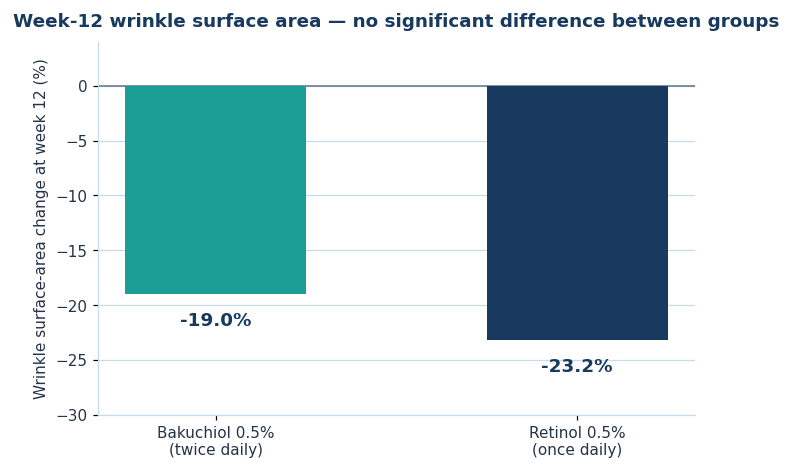
The two compounds showed no statistically significant difference on wrinkle and pigmentation endpoints. Photoaging improvement was comparable — while the bakuchiol group reported significantly less facial scaling and stinging.

Source: Dhaliwal S, et al. Br J Dermatol. 2019;180(2):289–296. doi:10.1111/bjd.16918 · Ingredient-level evidence (Grade B).

THE DUO SYSTEM · 双活性体系

Two timelines, one active system

Fast phase · Acmella oleracea extract

Rapidly visible smoothing · expression-line appearance care · surface and micro-relief refinement

+

Renewal phase · Bakuchiol

Collagen support · extracellular matrix protection and photoaging care · tone and texture improvement

PhytoRetin Duo — instant + progressive beauty performance

A two-phase strategy built on complementary botanical mechanisms — ingredient-level evidence; no combination-synergy claim is made.

DELIVERY PLATFORM · 递送平台

PURISOME® FlexVes™ liposome technology

PURISOME® is PuriPharm’s proprietary advanced nano-liposome platform, built on more than a decade of nano-delivery R&D and industrialization experience. Both botanical actives are encapsulated within skin-affine phospholipid bilayer vesicles.

01 Encapsulation & protection — protects oxidation- and degradation-prone actives, extending shelf-life stability.

02 Enhanced penetration — promotes interaction with the stratum corneum, deposition, and bioavailability.

03 Sustained release — gradual, controlled release extends contact time with a gentler skin feel.

04 Formulation elegance — improves formulation compatibility and sensory performance.

Phospholipid bilayer vesicle — the PURISOME® carrier structure

PURISOME® SCIENCE · 科学

Why nano-scale lipid delivery?

Fluorescence skin cross-sections — the smaller the lipid vesicle, the deeper it reaches into the skin (particle size decreases a → c). Redrawn from Verma DD, et al. Int J Pharm. 2003;258:141–151.

Particle size determines deposition.Reducing vesicle size increases the total contact area with skin, supporting more efficient delivery into its superficial structures.
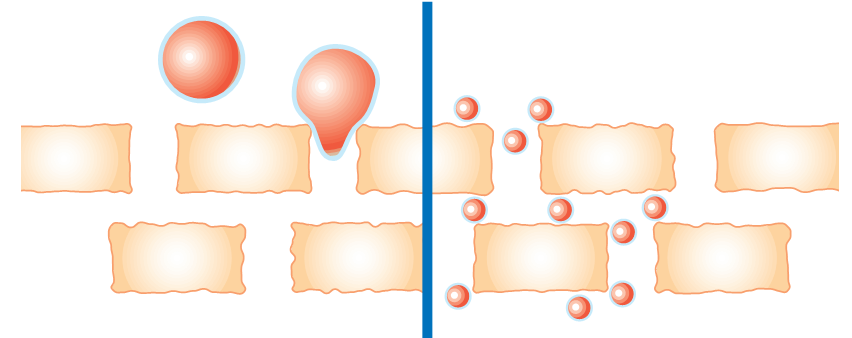
Nano-scale carriers distribute between superficial corneocytes and deposit in the skin’s shallow structures.

Large particles stay on the surface; nano-scale vesicles spread, conform, and deposit where they can make a difference.

PURISOME® engineers carriers to the nano scale — because particle size decides how far an active can go.

Source: Verma DD, Verma S, Blume G, Fahr A. Int J Pharm. 2003;258(1–2):141–151. · Delivery-platform literature (Grade C) — the scientific basis of the PURISOME® approach.

PURISOME® SCIENCE · 科学

Skin-affine phospholipid delivery

Barrier interaction — phospholipid vesicles are structurally compatible with the skin’s own lipid environment, adsorbing to and interacting with the stratum-corneum lipid matrix.

Sustained delivery — encapsulated actives release progressively at the skin surface and in shallow structures — extending contact time and smoothing transient concentration peaks.

Moisture-support film — a continuous nano-scale lipid film supports the barrier’s water-retention function.
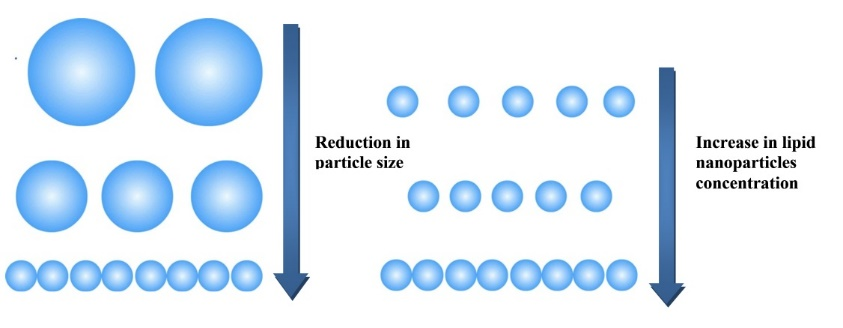
The smaller the particles, the more continuous the surface film formed by lipid nanoparticles — effective surface coverage and contact increase accordingly.

A carrier built in the skin’s own chemical language — welcomed, not resisted.

Sources: Cevc G, Blume G. Biochim Biophys Acta. 1992;1104:226–232. · Honeywell-Nguyen PL, et al. Adv Drug Deliv Rev. 2004;56(5):603–631. · Delivery-platform literature (Grade C).

PURISOME® SCIENCE · 科学

The follicular reservoir and targeted delivery
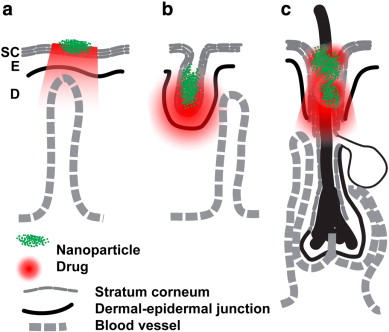
Follicular deposition concept — surface (a), infundibulum (b), and deep-follicle (c) delivery zones. SC: stratum corneum · E: epidermis · D: dermis. Redrawn from Patzelt & Lademann.
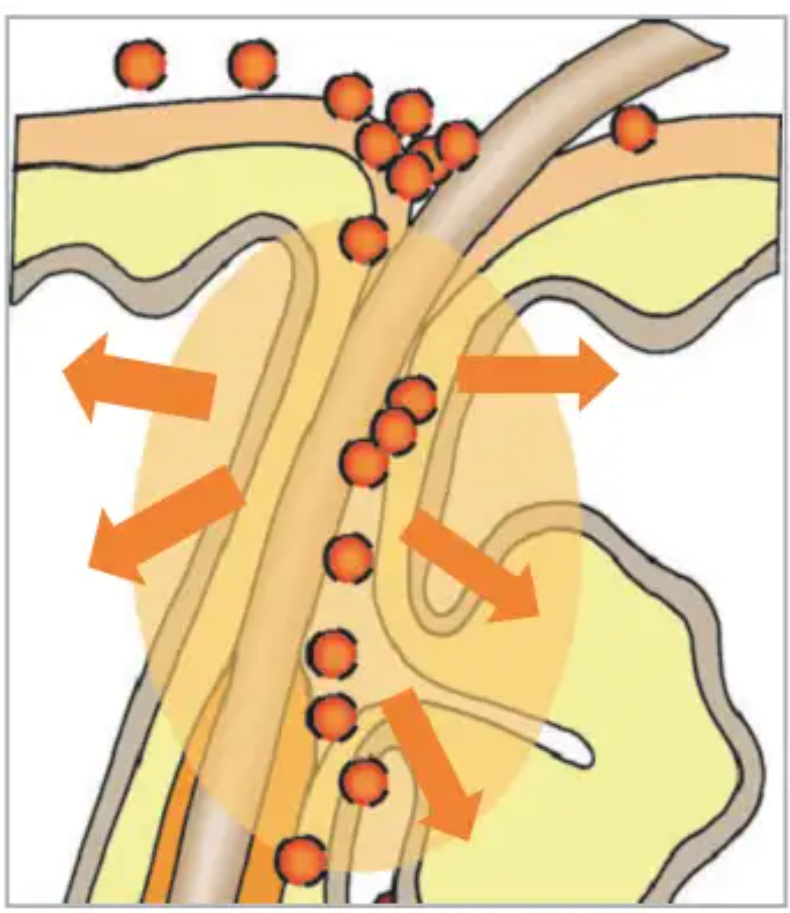
The hair follicle as a reservoir and shunt pathway for lipid carriers of suitable particle size.

A size-selective pathway — nanoparticles can enter open hair follicles; in porcine-skin models, nm-scale particles reached the deepest follicular regions, driven by a “gear-pump” effect of hair movement.

A built-in reservoir — particles deposited in follicles can be stored for days, supporting prolonged local release of encapsulated actives.

Scalp relevance — high follicular density makes the scalp a natural target for follicular delivery — a technical rationale for premium scalp essences.

Sources: Patzelt A, et al. Eur J Pharm Biopharm. 2011;77(3):427–436. · Lademann J, et al. Skin Pharmacol Physiol. 2007;20(5):232–238. · Vogt A, et al. J Invest Dermatol. 2006;126(6):1316–1322. · Delivery-platform literature (Grade C).

COMMERCIAL OPPORTUNITY · SKINCARE APPLICATIONS

Skincare applications

· Anti-aging serums — the flagship format of the dual-phase positioning

· Eye care — crow’s-feet smoothing + progressive renewal

· Expression-line serums — precision care for high-movement areas

· Premium night serums — the overnight renewal narrative

· Retinol-alternative products — botanical renewal without retinol irritation

· Sensitive-skin anti-aging — a gentle renewal positioning

· Brightening + anti-aging — pigmentation care combined with anti-wrinkle care

· Neck & décolleté care — smoothing care for delicate expression zones

One active system — an entire premium anti-aging product line.

COMMERCIAL OPPORTUNITY · SCALP & HAIR

Scalp & hair care opportunities

Positioning within strict evidence boundaries

· Scalp renewal — bakuchiol’s retinoid-like renewal logic extends naturally to scalp skin

· Antioxidant scalp care — defending the follicular microenvironment against oxidative stress

· Healthy scalp environment — conditioning and barrier support

· Scalp anti-aging concept — the scalp ages like facial skin, yet rarely receives the same care

· Premium scalp-essence positioning — a differentiated, science-driven story

The PURISOME® scalp advantage

The scalp carries the highest density of terminal hair follicles in the human body.

PURISOME® nano-lipid carriers are sized within the range indicated by follicular-delivery literature, depositing in the follicular reservoir — enabling prolonged, localized release at the follicle.

Evidence discipline: the scalp positioning is built on ingredient-level skin evidence and delivery-platform rationale. No direct human hair-growth claim is made for either active.

Sources: Patzelt A, et al. Eur J Pharm Biopharm. 2011;77(3):427–436. · Lademann J, et al. Skin Pharmacol Physiol. 2007;20(5):232–238.

FOR FORMULATORS · 致配方师

Formulation opportunities

PURISOME® encapsulation is designed for formulation compatibility and sensory elegance, allowing PhytoRetin Duo to fit a broad range of leave-on formats.

Serumslight daily care Essenceslayered routines Creamsrich barrier formats Lotionsface & body
Eye productsexpression-zone care Scalp essencesfollicle targeting Leave-on scalp carereservoir release Night repairrenewal ritual

Recommended use level, pH range, process conditions, and full INCI composition: see PuriPharm TDS/PDS technical documentation (available on request).

BRAND LANGUAGE · CLAIM ARCHITECTURE

Claim architecture

Instant claim“Rapidly and visibly smooths the appearance of expression lines”

Progressive claim“Retinoid-like renewal — collagen support and photoaging care”

Technology claim“Advanced phospholipid delivery, sustained release”

Consumer language“Smooth today. Renew tomorrow.”

Every claim layer maps to a defined evidence grade — ingredient-level clinical data, platform literature, or mechanistic rationale — keeping marketing language permanently aligned with scientific support.

WHY PHYTORETIN DUO · 商业价值

Why choose PhytoRetin Duo?

01 A differentiated dual-phase story — instant smoothing and progressive renewal in one active, built on two complementary botanicals.

02 Clinical evidence support — bakuchiol’s 12-week randomized double-blind head-to-head against retinol; in-vivo human smoothing data for Acmella.

03 Proprietary delivery platform — PURISOME® FlexVes™ liposome technology for protection, penetration support, and sustained release.

04 Formulation versatility — one encapsulation system serving facial, eye, night-repair, and scalp-essence product lines.

05 A marketing-ready narrative — “Smooth today. Renew tomorrow.” translates complex science into a claim architecture consumers understand.

APPLICATION MATRIX · 创新平台

Application matrix — skin & scalp

Category Fast-phase role (Acmella) Renewal-phase role (bakuchiol) Platform role (PURISOME®)
Anti-aging serum Rapid smoothing of micro-relief Collagen support and photoaging care Stability + sustained release
Eye care Crow’s-feet appearance care Firmness and texture improvement Gentle delivery for delicate areas
Night repair Overnight surface refinement Progressive retinoid-like renewal Extended contact, low-peak exposure
Scalp essence Scalp surface conditioning Scalp renewal and antioxidant care Follicular-reservoir targeting

All roles shown are evidence-based positionings — intended to combine synergistically within the same formulation system.

PURIPHARM CO. LTD. · 浦瑞生物医药

Botanical wisdom, advanced delivery, dual-phase renewal.

NanoActive™ PhytoRetin Duo — Smooth today. Renew tomorrow.

PuriPharm Co. Ltd.

Building 6, 1366 Hongfeng Road, Huzhou, Zhejiang, China · www.puriactives.com · +86 572-2745768

Key scientific literature

Dhaliwal S, et al. Br J Dermatol. 2019;180(2):289–296. · Chaudhuri RK, Bojanowski K. Int J Cosmet Sci. 2014;36(3):221–230. · Savić SM, et al. Int J Cosmet Sci. 2025;47(2):362–382. · Demarne F, Passaro G. US Patent 7,531,193 B2. 2009. · Ramsewak RS, et al. Phytochemistry. 1999;51(6):729–732. · Verma DD, et al. Int J Pharm. 2003;258:141–151. · Cevc G, Blume G. Biochim Biophys Acta. 1992;1104:226–232. · Patzelt A, et al. Eur J Pharm Biopharm. 2011;77(3):427–436. · Lademann J, et al. Skin Pharmacol Physiol. 2007;20(5):232–238. · Vogt A, et al. J Invest Dermatol. 2006;126(6):1316–1322.

© 2026 PuriPharm Co. Ltd. — For B2B professional communication only.

PuriActives® RutaSuc™

PuriActives®RutaSuc™ 芸珀因™

INCI name: RUTINYL SUCCINATE

01 · MARKET CONTEXT · 市场背景

Skin under oxidative stress — a new formulation brief

Daily environmental exposure keeps skin under chronic oxidative stress — and this has rewritten what brands expect from an active ingredient.

01Environmental load is daily exposure.UV, ozone, and particulate pollutants drive reactive oxygen species (ROS) generation in skin, linking environmental stress to visible dullness, redness, and premature aging signs.

02Sensitivity and visible redness have gone mainstream.Sensitive-skin positioning has moved from niche dermo-skincare into the core skincare development agenda.

03Well-known molecules win trust.Brands prefer actives with a name, a structure, and published literature over anonymous antioxidant blends.

04Multifunctionality wins formulas.A well-characterized molecule supporting multiple defensible claims significantly reduces formulation cost and complexity.

The biological map of oxidative stress is well established — the bottleneck is getting a long-validated defense molecule into an elegant formula. The opportunity is not “yet another antioxidant,” but bringing a proven flavonoid molecule into real formulations.

Sources: Rinnerthaler et al., Oxid. Med. Cell. Longev., 2015; Ganeshpurkar & Saluja, Saudi Pharm. J., 2017.

02 · THE MOLECULE · 认识分子

Rutin — one of the best-known bioactive flavonoids

Rutin — quercetin-3-O-rutinoside

C27H30O16 · CAS 153-18-4 · flavonol glycoside

A flavonol glycoside built from the quercetin aglycone and the rutinose disaccharide. Its catechol B-ring and conjugated chromone core are among the most thoroughly studied radical-scavenging pharmacophores in natural-product science.

Abundant natural sourcing — concentrated in Sophora japonica flower buds, buckwheat, citrus, and asparagus; a molecule consumers already ingest in their daily diet.

The “vitamin P” heritage — in 1936 Szent-Györgyi linked citrus flavonoids, including rutin, to capillary resistance (Nature), opening nearly a century of microvascular research.

Deep biological evidence — radical scavenging, metal-ion chelation, and modulation of inflammation-related pathways documented across hundreds of peer-reviewed studies and reviews.

Clear regulatory identity — the EU CosIng inventory lists RUTIN with antioxidant, skin-conditioning, and hair-conditioning functions: a recognized cosmetic identity, not an unfamiliar newcomer.

Sources: Rusznyák & Szent-Györgyi, Nature, 1936, 138, 27; Afanas’ev et al., Biochem. Pharmacol., 1989, 38, 1763–1769; Gullón et al., Trends Food Sci. Technol., 2017, 67, 220–235; European Commission CosIng inventory.

03 · THE FORMULATION PROBLEM · 配方挑战

Native rutin resists formulation

0.125 g/L

Rutin water solubility at 25 °C — roughly 8 liters of water per gram of active.

log P +0.85

n-Octanol/water partition coefficient (pH 7.4): a crystalline glycoside with neither hydrophilic nor lipophilic affinity.

Rutin’s planar polyphenolic backbone stacks into stable crystal lattices; its glycosidic hydroxyls are locked in intermolecular hydrogen bonds instead of hydration.

What this means at the bench

Precipitates in water-based systems — serums, toners, and gels cannot carry an effective dose.

Depends on solubilizers and co-solvents — extra surfactant or alcohol load, sacrificing skin feel and mildness.

Recrystallizes on shelf — haze, sediment, and active-content drift in finished products.

Excluded from modern formats — clear serums, cold-process manufacturing, and water-based scalp products are essentially off-limits.

The problem was never the biology — it is the physical form of the molecule.

Sources: Pedriali et al., Quim. Nova, 2008, 31, 2147–2151 (solubility, log P); Gullón et al., Trends Food Sci. Technol., 2017, 67, 220–235.

04 · THE SOLUTION · 解决方案

PuriActives® RutaSuc™ — rutin, made for water

RutaSuc™ is rutinyl succinate: succinate groups introduced onto rutin’s sugar moiety. The design logic is direct — keep the flavonoid pharmacophore, change the molecule’s relationship with water.

Ionizable carboxyls — up to six succinyl groups introduce hydrophilic carboxyls along the rutinose chain.

80–115× higher water solubility — from 0.125 g/L to 10–14.4 g/L, measured independently by two research groups.

A genuinely hydrophilic flavonoid — partition coefficient flips from log P +0.85 to −1.13, a complete reversal of polarity class.

Ready-to-use form — supplied as a 5% aqueous solution, added directly to the water phase with no solubilization step.

Rutinyl succinate: 14.4 g/L (Sachetto et al., 2022) and 10.0 g/L (Pedriali et al., 2008) — an 80–115× improvement over native rutin (0.125 g/L).

The same flavonoid core — a completely different formulation reality.

Sources: Pedriali et al., Quim. Nova, 2008, 31, 2147–2151; Sachetto et al., Front. Pharmacol., 2022, 13, 828269.

04 · THE SOLUTION · MOLECULAR ARCHITECTURE

Molecular architecture — succinylated sugars, intact core

A defined family of 1–6 substitution forms, centered on DS 2–3 (30.7% / 27.6%); the flavonoid aglycone fragment (m/z 303) is preserved across all forms.

Spectroscopically confirmed identity

· The characteristic flavonoid UV-Vis absorption bands remain at 271 / 352 nm after succinylation — the chromophore is unchanged.

· 1H / 13C-NMR confirms esterification occurs only at sugar hydroxyls; the aromatic 5-OH signal is intact.

· LC-MS: each succinyl unit adds 100 Da, exactly as expected.

Sources: Pedriali et al., 2008; Sachetto et al., 2022.

05 · MECHANISM · 作用机制

One molecule, four lines of defense

The mechanism framework integrates rutin pharmacology literature with experimental data on rutin succinate; pathway-level evidence is detailed in the following sections.

06 · EVIDENCE · 实证数据

Radical-trapping capacity, measured at the molecular level

Model: luminol/AAPH chemiluminescence (Total radical-trapping Antioxidant Parameter, TRAP), 0.2–1.0 µM, Tris buffer pH 9.0, 37 °C. Test items: rutin succinate (n = 3.03 ± 0.08), rutin (n = 3.53 ± 0.07), Trolox® reference (n = 2). All means differ significantly at the 0.05 level.

≈1.5× Trolox®

Antiradical capacity of rutinyl succinate relative to the standard water-soluble antioxidant reference

The succinate groups themselves help.At the assay pH, the deprotonated carboxyls carry negative charge and attract the cationic peroxyl radicals generated by AAPH thermolysis.

Retains 86% of rutin’s trapping power — in a water-compatible form.Despite an ~80-fold gain in hydrophilicity, each molecule still traps about three radicals.

Cosmetic relevance:verified scavenging of peroxyl-type radicals — precisely the radical class that drives oxidative lipid damage in skin.

Source: Pedriali et al., Quim. Nova, 2008, 31(8), 2147–2151. DOI: 10.1590/S0100-40422008000800039

06 · EVIDENCE · 实证数据

Membrane lipid protection in a biological matrix

Model: spontaneous oxidation of rat-brain homogenate membranes; malondialdehyde (MDA) quantified as the TBA adduct at 535 nm. Test items compared on an equimolar flavonoid-core basis. Result: despite extreme hydrophilicity (log P −1.13), rutinyl succinate still engages membrane lipids and inhibits peroxidation by 77.9% — only ~19% below native rutin on a flavonoid-core basis. Hydrophilicity did not cost the molecule its biological reach.

For skin, membrane lipid peroxidation is exactly where oxidative stress “becomes visible.”

Source: Pedriali et al., Quim. Nova, 2008, 31(8), 2147–2151. DOI: 10.1590/S0100-40422008000800039

06 · EVIDENCE · 实证数据

A flavonoid core built for inflammatory-stress pathways

Macrophage inflammatory-mediator modulation (rutin, mechanistic level).In LPS-stimulated macrophages, rutin down-regulates key inflammatory mediators such as TNF-α and COX-2-derived prostaglandins while raising the anti-inflammatory marker IL-10 — showing the flavonoid core is a modulator of inflammatory signaling, not merely a radical scavenger.

Pathway-level support (rutin, review level).Mechanistic reviews consistently place rutin upstream of NF-κB, COX-2, and iNOS — the very signaling axis that converts oxidative damage into redness, discomfort, and matrix degradation in stressed skin.

The pharmacophore performing these actions is fully preserved.Succinylation is confined to the sugar moiety; the catechol B-ring responsible for antioxidant and signaling interactions is untouched.

Direct confirmation on rutinyl succinate.Sachetto et al. showed the modified molecule retains rutin-like activity, including inhibition of protein disulfide isomerase (PDI) and interaction with plasma proteins — direct evidence that the flavonoid core still binds biological targets.

Evidence-grading note: direct rutinyl succinate data (Grade A) confirm activity retention; rutin mechanistic data (Grade B) serve as supporting evidence for core preservation. No independent RutaSuc™ inflammation study is claimed.

Cosmetic translation.Redness-prone, reactive skin is essentially skin living in an overactive “stress–inflammation” loop. An active that intercepts radicals before they reach this axis — with documented mediator modulation by its preserved core — directly answers the sensitive-skin brief.

Sources: Kauss et al., Arthritis Res. Ther., 2008, 10, R19; Ganeshpurkar & Saluja, Saudi Pharm. J., 2017, 25, 149–164; Sachetto et al., Front. Pharmacol., 2022, 13:828269

06 · EVIDENCE · 实证数据

The vitamin P heritage — made for redness-prone skin

1936

Rusznyák and Szent-Györgyi describe “vitamin P”: flavonoid extracts that restore capillary resistance — with rutin as the reference substance.

Ninety years of capillary research.Rutin and its semi-synthetic derivatives (troxerutin, rutin sulfates) are among the longest-studied flavonoid families in microvascular research — the scientific lineage behind the “P factor.”

Protein-target activity retained.Rutinyl succinate preserves rutin’s inhibition of protein disulfide isomerase (PDI) and its interactions with fibrinogen and albumin — direct evidence the molecule still binds the protein targets relevant to rutin’s vascular biology.

Why it matters topically.A water-compatible rutin can finally enter daily leave-on skincare — and visible redness and reactive tone are appearance concerns adjacent to microcirculation.

Cosmetic translation

· Visible redness — soothing care for reactive, redness-prone complexions

· Eye contour — where microcirculation shows most readily through thin skin

· Post-stress recovery — calming formats for after sun exposure and aesthetic procedures

· Even tone — daily defense for complexion uniformity

Positioning note: RutaSuc™ is a cosmetic active for appearance care. The microvascular literature on rutin-class molecules establishes mechanistic plausibility and scientific heritage — it does not constitute any therapeutic claim for finished cosmetic products.

Sources: Rusznyák & Szent-Györgyi, Nature, 1936, 138, 27; Sachetto et al., Front. Pharmacol., 2022, 13:828269; Jasuja et al., J. Clin. Invest., 2012, 122, 2104–2113

06 · EVIDENCE · 实证数据

Photo-stress: a chromophore that still “sees” UV

Schematic curve reconstructed from the published absorption peaks of rutinyl succinate (λmax 271 and 352 nm, UV-Vis, Bands II and I of the flavonol chromophore). Peak positions are measured data; the curve shape is illustrative, not a measured spectrum.

The chromophore survives modification.Succinylation leaves the conjugated flavonol system unchanged — the molecule’s characteristic UVA/UVB absorption is essentially intact.

A second line of defense.RutaSuc™ is not a UV filter and makes no SPF claim. Its role is handling the oxidative chemistry UV triggers downstream — quenching radicals and protecting lipids.

Formulation logic.An ideal partner for daily-defense and after-sun concepts — complementary to sunscreen actives, never a replacement.

Sources: Pedriali et al., Quim. Nova, 2008, 31(8), 2147–2151; Sachetto et al., Front. Pharmacol., 2022, 13:828269

06 · EVIDENCE · 实证数据

Scalp & hair: a water-compatible flavonoid for leave-on scalp care

The scalp is an oxidative-stress hotspot.Sebum-rich, UV-exposed, and densely folliculated, the scalp faces a unique oxidative burden; oxidative stress at the follicle is linked to scalp discomfort and hair-quality issues (Trüeb, 2009).

Hair-care regulatory basis.The EU CosIng database lists rutin with antioxidant, skin-conditioning, and hair-conditioning functions — an established regulatory precedent for flavonoids in hair and scalp products.

Built for the format.Scalp care is dominated by watery leave-on formats — tonics, essences, sprays — precisely the systems native rutin could never enter. RutaSuc™ is supplied as a 5% aqueous solution, ready to add directly.

Verified activity, the relevant radical class.TRAP-verified peroxyl-radical trapping maps directly onto the lipid-peroxidation chemistry of sebum oxidation at the scalp surface.

Concept directions

· Soothing scalp tonic — daily leave-on antioxidant defense for sensitive, tight scalps

· Post-color/perm calming spray — oxidative-stress care after chemical services

· Pre-wash essence — concentrated flavonoid delivery in a water-based essence texture

· Anti-pollution scalp mist — an urban-defense positioning backed by a TRAP-verified active

Sources: Trüeb, Int. J. Trichology, 2009, 1(1), 6–14; EU CosIng database, RUTIN (CAS 153-18-4); Pedriali et al., Quim. Nova, 2008

07 · FORMULATION SCIENCE · 配方科学

Formulation science: a ready-to-use aqueous active

Supplied-form property RutaSuc™ specification
Form 5% aqueous solution of rutinyl succinate
Appearance Clear to slightly opalescent liquid, pale yellow to amber
pH 3.5 – 5.5
Density (20 °C) 0.990 – 1.050 g/mL
Refractive index 1.360 – 1.420
Dry residue 5 – 20%
Solubility Miscible with water, glycerin, propylene glycol, and ethanol (slight opalescence)
Preservative system Sodium benzoate · potassium sorbate · tetrasodium EDTA
Shelf life 24 months, protected from light

At the bench

Addition — add to the water phase at any stage; no heating, no solubilizers, no neutralization step.

Suitable systems — emulsions, gels, toners, serums, sprays, and hydroalcoholic systems.

Handling notes — avoid strong oxidizers and prolonged exposure above 35 °C; store protected from light.

Settling behavior — slight haze may appear on standing; shake before use. Normal for a high-load botanical-derived active.

Because RutaSuc™ is supplied pre-dissolved, the classic “rutin won’t go in” workflow — solvent hunting, heated processing, crystallization monitoring — disappears entirely.

Source: PuriPharm Co. Ltd. product documentation, PuriActives® RutaSuc™ supplied-form data.

08 · APPLICATIONS · 应用方向

Six fields, one active

Sensitive & redness-prone skinThe vitamin P heritage plus verified radical interception — soothing serums, calming essences, post-procedure care.

Antioxidant daily defenseUrban day creams, anti-pollution mists, and ampoule drops built around TRAP-verified, 1.5×-Trolox radical trapping.

Healthy agingThe matrix-stress narrative — lipid protection at the MDA level, plus mechanistic support against the oxidative signals that drive MMPs.

Tone & radianceDullness is oxidation made visible; tone-evening and brightening serums gain a credible mechanistic story.

Eye careThin skin, visible microcirculation, constant light exposure — the most natural home for the microvascular heritage.

Scalp careWater-based leave-on tonics, sprays, and essences — formats that were structurally off-limits to native rutin.

Application fields are derived from the evidence grading summarized in the Evidence Map section; no clinical efficacy claims are made for finished products.

08 · APPLICATIONS · 应用方向

Bench concept framework

Urban antioxidant serum Redness-soothing essence Scalp defense tonic
Format Light O/W serum or water-based ampoule drops Watery essence / gel-serum Leave-on scalp tonic or spray
RutaSuc™ role Lead antioxidant: TRAP-verified radical trapping and membrane lipid protection Soothing defense active: vitamin P heritage and preserved anti-inflammatory core Scalp antioxidant: targeting sebum peroxidation and follicular oxidative stress
Addition Water phase, room temperature, no solubilizers Water phase, room temperature, no solubilizers Direct addition to water-based base
pH target 5.0 – 5.5, within the 3.5 – 5.5 specification window 5.0 – 5.5, skin-identical positioning 4.5 – 5.5, scalp-friendly range
Positioning line “Urban-grade antioxidant defense, evidenced at 1.5× Trolox” “Flavonoid soothing for reactive, redness-prone skin” “Daily antioxidant care for the scalp”

Illustrative development framework, not finished formulas. Use-level guidance, stability screening, and prototype support are available from PuriPharm Co. Ltd. technical service.

09 · POSITIONING · 市场定位

Where RutaSuc™ sits on the active-ingredient map

Native rutin owns the science but fails the bench.Decades of literature and near-universal recognition — trapped in a molecule that cannot enter water-based formulas.

Synthetic antioxidants pass the bench but have no story.Benchmark water-soluble antioxidants formulate easily, yet offer no flavonoid heritage, no microvascular narrative, no recognizable natural lineage.

RutaSuc™ occupies the intersection — delivering rutin’s documented biology in a formulators-friendly form, a position no single benchmark can hold alone.

Qualitative internal benchmark (PuriPharm Co. Ltd., 2026). Scores 0–5; no third-party brand is named or implied.

10 · EVIDENCE MAP · 证据地图

Evidence tier Description Sources
A Direct: rutinyl succinate Water solubility 0.125 → 10–14.4 g/L (~80–115×); log P +0.85 → −1.13; DS 1–6 distribution confirmed by LC-MS and NMR Pedriali et al., 2008; Sachetto et al., 2022
A Direct: rutinyl succinate TRAP radical trapping 3.03 ± 0.08 per molecule (~1.5× Trolox reference); retains 86% of rutin’s trapping capacity Pedriali et al., 2008
A Direct: rutinyl succinate Membrane lipid peroxidation inhibition 77.9% (vs rutin 97.2%, equimolar flavonoid-core basis); IC50 19.51 µM; CUPRAC and PDI-inhibition activity retained Pedriali et al., 2008; Sachetto et al., 2022
B Mechanistic: rutin core Catechol pharmacophore preserved; rutin down-regulates macrophage TNF-α / COX-2 mediators, chelates redox-active metals, supports capillary resistance (vitamin P) Kauss et al., 2008; Afanas’ev et al., 1989; Rusznyák & Szent-Györgyi, 1936
B Mechanistic: rutin core Regulatory precedent: EU CosIng lists rutin as antioxidant, skin-conditioning, and hair-conditioning ingredient EU CosIng database, CAS 153-18-4
C Application logic Scalp oxidative stress, photo-oxidative burden, and redness-prone skin as cosmetic targets for a water-compatible flavonoid Trüeb, 2009; Rinnerthaler et al., 2015

Transparency note: Grade A data were measured on rutinyl succinate itself; Grade B is native-rutin data, applicable because the pharmacophore is preserved; Grade C is cosmetic application logic. Rutin literature is never presented as RutaSuc™ product data.

11 · WHY RUTASUC™ · 核心总结

Why RutaSuc™

01 Science derived from rutin.Built on one of the most thoroughly studied flavonoids in cosmetic and biomedical literature — the vitamin P heritage, CosIng-listed functions, ninety years of mechanistic research.

02 Molecular-level optimization.Succinylation of the sugar hydroxyls turns a practically insoluble flavonoid (0.125 g/L) into a water-compatible active (10–14.4 g/L) — an ~80–115× improvement — without touching the catechol pharmacophore.

03 Verified radical defense.~1.5× Trolox by TRAP and 77.9% membrane lipid peroxidation inhibition — both measured on the rutinyl succinate molecule itself in peer-reviewed models.

04 Ready for formulators.Supplied as a preserved 5% aqueous solution — water-phase addition, no heating, no solubilizers; suitable for emulsions, gels, toners, and sprays.

05 Broad application breadth.Six cosmetic fields — sensitive skin, antioxidant defense, healthy aging, tone, eye care, scalp — from a single well-documented active.

12 · CLOSING · 结语

Turning classic flavonoid science into a modern cosmetic active platform.

01The biology was never the problem.Rutin’s pharmacophore is fully preserved in RutaSuc™ — radical trapping, membrane lipid protection, and protein-target binding all survived succinylation.

02The form was the problem.An ~80–115× solubility gain and a ready-to-use 5% aqueous form remove every barrier between rutin science and modern water-based formulation.

03The evidence stands up to audit.Direct rutinyl succinate data, rutin mechanistic literature, and application logic are clearly tiered — nothing borrowed, nothing overstated.

PuriPharm Co. Ltd. · PuriActives® Cosmetic Actives

Technical documentation, samples, and formulation support available on request.

APPENDIX · 附录

Selected references

1. Pedriali, C. A.; et al. Synthesis of a water-soluble rutin derivative as an antiradical agent. Quim. Nova, 2008, 31(8), 2147–2151. DOI: 10.1590/S0100-40422008000800039

2. Sachetto, A. T. A.; et al. The bioflavonoids rutin and rutin succinate: chemical characterization and biological evaluation. Front. Pharmacol., 2022, 13, 828269. DOI: 10.3389/fphar.2022.828269

3. Rusznyák, S.; Szent-Györgyi, A. Vitamin P: flavonols as vitamins. Nature, 1936, 138, 27.

4. Li, K.; et al. Advances in structural modification and biological activities of rutin. Chinese Traditional and Herbal Drugs, 2021, 52(20), 6413–6424. DOI: 10.7501/j.issn.0253-2670.2021.20.032

5. Gullón, B.; et al. Rutin: a review on extraction, identification and purification methods, biological activities and approaches to enhance its bioavailability. Trends Food Sci. Technol., 2017, 67, 220–235. DOI: 10.1016/j.tifs.2017.07.008

6. Ganeshpurkar, A.; Saluja, A. K. The pharmacological potential of rutin. Saudi Pharm. J., 2017, 25(2), 149–164. DOI: 10.1016/j.jsps.2016.04.025

7. Kauss, T.; et al. Modulatory effect of rutin on pro- and anti-inflammatory mediators in activated macrophages. Arthritis Res. Ther., 2008, 10, R19. DOI: 10.1186/ar2372

8. Afanas’ev, I. B.; et al. Chelating and free radical scavenging mechanisms of inhibitory action of rutin and quercetin in lipid peroxidation. Biochem. Pharmacol., 1989, 38(11), 1763–1769.

9. Jasuja, R.; et al. Protein disulfide isomerase inhibitors constitute a new class of antithrombotic agents (rutin-class flavonoids). J. Clin. Invest., 2012, 122(6), 2104–2113. DOI: 10.1172/JCI61228

10. Alluis, B.; et al. Water-soluble rutin derivatives: synthesis and antioxidant properties. Helv. Chim. Acta, 2000, 83(2), 428–443.

11. Rinnerthaler, M.; et al. Oxidative stress in aging human skin. Oxid. Med. Cell. Longev., 2015, 2015, 586398. DOI: 10.1155/2015/586398

12. Trüeb, R. M. Oxidative stress in ageing of hair. Int. J. Trichology, 2009, 1(1), 6–14.

13. Jovanovic, S. V.; et al. Flavonoids as antioxidants. J. Am. Chem. Soc., 1994, 116(11), 4846–4851.

14. European Commission. CosIng — Cosmetic Ingredients Database: RUTIN (CAS 153-18-4); RUTINYL SUCCINATE (CAS 267006-02-0). Commission Decision 2006/257/EC and updates.

All sources are publicly published and verifiable. Product supplied-form data: PuriPharm Co. Ltd. internal documentation.

Puri-Xyl PRODUCT DATA SHEET

PRODUCT DATA SHEET

Product Name: Puri-Xyl

Version: 2.0

Supplier: PuriPharm Co. Ltd.

1. PRODUCT OVERVIEW

Puri-Xyl is a moisturizing and restructuring complex derived from natural plant sugars. It is designed to harmonize the hydrous flow of the skin based on the “3D Hydration” concept, ensuring comprehensive hydration across all skin layers.

  • INCI Name: Xylitylglucoside, Anhydroxylitol, Xylitol
  • Product Category: Active Ingredient / Moisturizer
  • Origin: Plant-derived (Wheat & Corn)
  • Compliance: Preservative-free, Non-GMO, Allergen-free

2. KEY BENEFITS

Puri-Xyl optimizes the skin’s water flow, offering both immediate and long-term moisturizing benefits while reinforcing the skin barrier and improving surface texture.

  • Hydration Reservoir: Significantly boosts dermal water reserves (Glycosaminoglycans/GAGs).
  • Barrier Function: Stimulates ceramide synthesis to limit Trans-Epidermal Water Loss (TEWL).
  • Water Circulation: Optimizes the expression of Aquaporins to facilitate epidermal water flow.
  • Restructuring: Normalizes the desquamation process for smoother skin.
  • Visual Improvement: Reduces flaking/dryness and smooths micro-relief.

3. COMPOSITION

4. MECHANISM OF ACTION

Puri-Xyl acts on three levels of the skin:

1.Dermis (Reserves): Significantly increases the synthesis of Glycosaminoglycans (GAGs).

  • Chondroitin Sulfate: +183%
  • Hyaluronic Acid: +20% (Epidermis), +55% (Dermis)

2.Epidermis (Flow): Stimulates the expression ofAquaporin-3 (AQP3)to facilitate water and glycerol transport between cells; strengthens Tight Junctions.

3.Stratum Corneum (Barrier): Promotes the synthesis of Ceramides 1 and 2, reinforcing the intercellular lipid cement to create an “Anti-Dehydration Shield.”

5. EFFICACY DATA

In-Vivo Study: 25 volunteers with dry skin applied a lotion containing 3% Puri-Xyl twice daily for 30 days.

●Anti-Dehydration Shield: After 30 days, Trans-Epidermal Water Loss (TEWL) was significantly reduced by-13%.

●Hydration Kinetics:

○24 Hours:Immediate barrier reinforcement observed.

○8 Days:Visible improvement in hydration.

○30 Days:Maximum hydration effect achieved.

●Skin Restructuring:

○Desquamation Improvement:+25%(Reduced flaking)

○Skin Micro-relief:+30%(Smoother texture)

6. PHYSICAL PROPERTIES

  • Appearance: Liquid
  • Color: Colorless to pale yellow
  • Odor: Characteristic, faint
  • Solubility: Soluble in water, alcohol, and glycols
  • Shelf Life:24 months

7. FORMULATION GUIDELINES

  • Recommended Dosage:1.5% – 5.0% (Clinically tested at 3%)
  • Incorporation: Can be added at any stage of the formulation process (aqueous phase or end).
  • pH Stability:Stable over a wide pH range (pH 3.0 – 10.0).
  • Thermal Stability:Excellent; can withstand heating up to 80°C.
  • Compatibility: No known incompatibilities; compatible with high electrolyte concentrations.

8. SAFETY & TOXICOLOGY

  • Skin Tolerance:Excellent (48-hour Patch Test).
  • Ocular Tolerance:Good (HET-CAM Test).
  • Sensitization: Non-sensitizing.
  • Mutagenicity: Non-mutagenic (Ames Test).

9. APPLICATIONS

Suitable for various cosmetic formulations:

  • Face Care: Daily moisturizers, anti-aging serums, night creams.
  • Body Care: Body lotions, hand creams, shower gels (reduces surfactant irritation).
  • Hair Care:Scalp hydration treatments, shampoos, conditioners.
  • Specific Care: Products for dry/sensitive skin, after-sun care.

Disclaimer: The information contained in this data sheet is based on our current knowledge. It is the user’s responsibility to verify the suitability of the product for their specific application.

Puripharm works together with Huzhou Center of Industrial Biotechnology, Chinese Academy of Sciences, to build a joint laboratory

At the beginning of 2018, PuriPharm Co., Ltd. and Huzhou Center of Industrial Biotechnology, Shanghai Institutes for Biological Sciences, Chinese Academy of Sciences (CAS), signed the cooperation agreement on seeking common development by jointly establishing the Puri Joint Research and Development Laboratory.Continue reading→