PuriActives® SH50

PuriActives® SH50 Saccharide Hydrolysate

Advanced Sugar Science for Skin & Hair Hydration

INCI — SACCHARIDE HYDROLYSATE · CAS 8013-17-0

A science-driven report for formulators, R&D scientists, and technical marketing teams

01 · MARKET OPPORTUNITY · 市场机遇

Hydration: An Inevitable Imperative

Healthy skin and hair are, first and foremost, water-rich systems.

In skin, stratum corneum water content determines flexibility, smoothness, and barrier performance — a healthy surface holds about 20–30% water, maintained by the skin’s own hygroscopic reservoir, the Natural Moisturizing Factor (NMF). In hair, water content governs flexibility, softness, and resistance to breakage. Yet daily life works against it: low humidity, cleansing, and aging continually erode the body’s own water-holding capacity.

Consumer Demand

Soft, dewy, comfortable skin and smooth, manageable hair — every single day.

The Biological Challenge

NMF depletion, accelerated water loss, and dry, fragile fibers.

The Sugar Answer

Hydroxyl-rich molecules that capture, bind, and retain water exactly where skin and hair need it most.

Three Drivers of Water Loss

— Low humidity, wind, and climate stress accelerate surface water loss

— Surfactant cleansing washes away water-soluble NMF

— Aging reduces the skin’s own production of NMF components

Sources — Rawlings & Harding, Dermatol. Ther., 2004 · Fowler, Pract. Dermatol., 2012

02 · PRODUCT IDENTITY · 产品身份

Meet PuriActives® SH50

Saccharide Hydrolysate(糖类水解物)

INCI name Saccharide Hydrolysate
Identifiers CAS 8013-17-0 · EC 232-393-1
Chemical nature A plant-derived mixture of low-molecular-weight sugars
Origin Produced by directed hydrolysis (inversion) of food-grade natural sugars
INCI functions Humectant · skin conditioning · skin protecting
Safety status CIR Expert Panel — safe as used · US FDA GRAS direct food additive · Listed in China’s IECIC inventory

Not an ordinary sugar blend — a well-defined, low-molecular-weight saccharide hydrolysate, built for modern water-based formulations.

Sources — CIR safety assessment, Int. J. Toxicol., 2025 · PubChem, Saccharide Hydrolysate (CAS 8013-17-0) · IECIC 2021 · PuriPharm process documentation

03 · SKIN BIOLOGY · 皮肤生物学

Why Sugars Matter to Skin

NMF accounts for 20–30% of stratum corneum dry weight — and sugars themselves are natural NMF components.

— Hydroxyl-rich sugars capture water through extensive hydrogen bonding

— Their small molecular size keeps them active in and around corneocytes

— The skin’s own design principle: many small polar molecules locking water where it matters

Sources — Fowler, Pract. Dermatol., 2012 · Rawlings & Harding, Dermatol. Ther., 2004 · Verdier-Sévrain & Bonté, J. Cosmet. Dermatol., 2007

04 · MECHANISM OF ACTION · 作用机制

A Multi-Dimensional Hydration Mechanism

01Bind waterLow-molecular-weight sugar molecules present a dense array of hydroxyl groups, forming an extensive hydrogen-bond network with water molecules. 02Hold waterAs hygroscopic molecules, sugars build a water reservoir at the skin and hair surface, buffering fluctuations in ambient humidity.
03Reduce surface water lossA water-rich surface slows evaporation from the stratum corneum, helping skin preserve its own water content. 04Support barrier comfortHydrated corneocytes stay supple; the skin surface remains smooth, soft, and comfortable throughout the day.

Mechanistic basis drawn from carbohydrate chemistry and skin hydration research — Verdier-Sévrain & Bonté, 2007 · Fluhr et al., 2023

05 · EFFICACY — HYDRATION · 功效证据 · 保湿

Hydration & Water Retention

From isolated stratum corneum to human volunteers, saccharide systems consistently improve the skin’s ability to bind and retain water across multiple models.

A natural sugar-derived humectant complex significantly enhanced bound-water capacity within the stratum corneum and modulated its structural parameters.

In vitro Raman spectroscopy · human stratum corneum | Fluhr et al., J. Biophotonics, 2023

A serum containing 7% galacto-oligosaccharides significantly improved skin water retention (Corneometer measurement, p < 0.05 vs. control base).

Randomized controlled trial · N=60 · 8 weeks | Hong et al., J. Pers. Med., 2020

Ten hygroscopic humectants (common moisturizing-cream types) significantly increased water retention in treated human stratum corneum, directly quantified by thermal desorption–mass spectrometry.

Thermal desorption–mass spectrometry | Gournay et al., Int. J. Cosmet. Sci., 1995

These studies evaluated saccharide systems similar to — but not identical with — PuriActives® SH50. Together they establish the class’s hydration mechanism across complementary models.

06 · EFFICACY — BARRIER · 功效证据 · 屏障

Supporting the Skin Barrier

Hydration is not only about adding water — it is about maintaining a healthier water-management environment for the skin.

Transepidermal water loss kept under control

In an 8-week randomized trial, the oligosaccharide serum group showed significantly smaller TEWL changes than the control group at weeks 4–8 (p < 0.05), with a reduced erythema index at week 8.

Hong et al., J. Pers. Med., 2020

Hydration supports barrier biology

Adequate stratum corneum water content underpins the enzymatic processes required for orderly desquamation and surface cohesion.

Rawlings & Harding, Dermatol. Ther., 2004

Supple, not tight

Humectant-saturated corneocytes stay soft, reducing the tightness and surface micro-cracking typical of dehydrated skin.

Verdier-Sévrain & Bonté, J. Cosmet. Dermatol., 2007

07 · SENSORY DIMENSION · 感官维度

Skin Comfort & Sensory Benefits

Hydration is something consumers can truly feel. Water-plasticized keratin is the physical basis of softness, bounce, and a beautiful skin feel.

Softer to the touchBound water lowers the glassy stiffness of surface keratin; skin yields softly under touch. Smoother surfaceHydrated corneocytes lie flatter and shed more evenly, improving surface texture and light reflection.
Less tightnessA water-buffered surface eases the dry, tight feeling after cleansing and in low-humidity environments. Comfortable after-feelSmall-molecule, water-phase humectants blend easily into light, fresh texture concepts.

In a clinical study on sensitive atopic skin, an emulsion containing gluco-oligosaccharide and collagen tripeptide improved skin condition and tolerance parameters within 4 weeks — demonstrating that oligosaccharide-based care is well suited to reactive skin.

Berardesca et al., Int. J. Cosmet. Sci., 2009

08 · FRONTIER SCIENCE · 前沿科学

The Skin Microbiome — A Prebiotic Frontier

Skin microbes feed on sugars. Choosing which sugars to offer them is becoming a formulation strategy.

Short-chain fructo-oligosaccharides sustain the growth of beneficial Staphylococcus epidermidis while inhibiting Cutibacterium acnes and Staphylococcus aureus; in a reconstructed human epidermis model, 1% scFOS tilted microbial competition toward S. epidermidis.

Selective utilization · in vitro + reconstructed epidermis | Le Bourgot et al., Sci. Rep., 2022

Galacto-oligosaccharides demonstrated prebiotic potential on the skin microbiota, with diffusion properties suited to topical delivery.

Prebiotic potential · skin microbiota | Petrov et al., Int. J. Cosmet. Sci., 2022

An oligosaccharide-containing serum increased microbial diversity (Shannon index) after 8 weeks and reduced S. aureus abundance, while hydration parameters improved in parallel.

Human randomized controlled trial · facial skin | Hong et al., J. Pers. Med., 2020

These effects were demonstrated for specific oligosaccharide structures. As a fermentable sugar substrate of the same class, PuriActives® SH50 offers a scientifically coherent platform for microbiome-friendly formulations.

09 · BEYOND SKIN · 承前启后 · 超越皮肤

From Skin to Hair — The Same Water Physics

Hair is keratin too. The water-binding logic that works on skin transfers directly to the hair fiber.

Water is hair’s plasticizer

Bound water molecules sit between keratin chains, keeping the fiber flexible; dry hair is markedly harder and more brittle.

Robbins, Chemical and Physical Behavior of Human Hair, Springer, 2012

Humidity changes mechanical behavior

Hair’s bending and recovery behavior depends strongly on humidity — evidence that internal water content dominates hand feel and style retention.

Wortmann et al., J. Appl. Polym. Sci., 2009

Humectants buffer humidity swings

Hygroscopic actives moderate the rate at which fibers gain and lose water with ambient humidity, smoothing out moisture extremes.

Yu et al., Mater. Sci. Eng. C, 2017

10 · HAIR CARE · 护发应用

PuriActives® SH50 Hair-Care Benefits

A small-molecule humectant delivering four tangible improvements to hair feel and behavior.

Moisture balanceHygroscopic sugar molecules attract and hold water inside and on the fiber, buffering moisture loss in dry air. Softness & supplenessWater-plasticized fibers bend without breaking — the mechanical root of soft, bouncy hair.
Smooth combingBalanced internal moisture helps cuticles lie flatter, easing combing and reducing frizz and flyaway. Daily protectionBy moderating humidity-driven swell–shrink cycles, hydration reduces hygral fatigue damage.

Mechanistic basis: humidity-sensitive hair mechanics (Yu et al., Mater. Sci. Eng. C, 2017; Wortmann et al., J. Appl. Polym. Sci., 2009) and hair–water relations (Robbins, Springer, 2012; Kanlayavattanakul & Lourith, Springer, 2015).

11 · FOR FORMULATORS · 致配方师

Formulation Value

Water-phase addition — simple and direct

Fully water-compatible small molecules — add directly to the emulsion water phase, or to aqueous serums, mists, and shampoos. No solubilizers, no heating process.

Broad format compatibility

Leave-on and rinse-off, emulsified and purely aqueous systems, skin and hair — one INCI covers facial serums, moisturizers, sheet masks, scalp essences, shampoos, conditioners, and hair masks.

Synergy logic

Naturally pairs with glycerin and hyaluronic acid (multi-size hydration); synergizes with β-glucans, amino acids (NMF-style blends), ceramides (hydration + lipid repair), and conditioning polymers in hair-care systems.

Use levels: maximum reported concentrations — 4.6% rinse-off (US industry survey, CIR 2025); 3% leave-on (China IECIC).

Within these reported use levels, PuriActives® SH50 is assessed as safe as used (CIR, Int. J. Toxicol., 2025) and is listed in China’s IECIC inventory.

12 · APPLICATIONS · 应用场景

Application Directions

Skincare

Hydrating serums & essences — fast-absorbing water-phase hydration forming the formula’s moisture backbone.

Daily moisturizers & barrier creams — sustained surface hydration and comfort in leave-on formulas.

Sheet & sleeping masks — high-dose water delivery in intensive-care concepts.

Facial mists & toners — light, non-sticky all-day water replenishment.

Sensitive-skin lines — gentle, sugar-based hydration with a well-documented safety record.

After-sun & post-procedure care — hydration support for stressed, dehydrated skin.

Men’s care — zero-burden hydration with no occlusive greasiness.

Body lotions & hand care — everyday barrier hydration at economical use levels.

Hair & Scalp Care

Moisturizing shampoos — surface-substantive hydration that remains after rinse-off.

Conditioners & hair masks — water-plasticized softness and improved combability.

Leave-in sprays & hair serums — lasting moisture balance and frizz management.

Scalp tonics & essences — scalp hydration is the foundation of comfort.

Curly & textured hair care — keeping moisture where it is needed most.

Anti-dryness repair lines — buffering the humidity swings that drive hygral fatigue.

13 · STARTING POINTS · 开发起点

Formulation Inspiration

Water-Barrier Hydrating SerumRole of SH50: 1–3% to build a multi-layer hydration backbone, within reported use levels.Pair with: hyaluronic acid, glycerin, panthenol.Positioning: a daily hydrating serum for all skin types. 24-Hour Moisturizing CreamRole of SH50: continuous water supply in the emulsion water phase.Pair with: ceramides, squalane, shea butter.Positioning: a barrier-comfort cream for day and night.
Scalp Comfort EssenceRole of SH50: scalp hydration and fermentable-sugar care in a leave-on water-based formula.Pair with: niacinamide, caffeine, gentle soothing agents.Positioning: a light, leave-on scalp treatment. Hydrating Repair Hair MaskRole of SH50: replenishing fiber moisture in an intensive rinse-off base.Pair with: cationic conditioners, hydrolyzed proteins, plant oils.Positioning: a weekly deep-hydration treatment.

These concepts are starting points for development discussions; suggested dosages remain within the reported cosmetic use concentrations for saccharide hydrolysate.

14 · SUMMARY · 核心总结

Why PuriActives® SH50

01 Advanced water management. A low-molecular-weight saccharide humectant system that binds water through dense hydroxyl chemistry and keeps it in the stratum corneum.

02 Barrier support. Hydration is structural: adequate water content supports desquamation, surface cohesion, and controlled water loss.

03 Consumer-perceivable comfort. Softer touch, smoother surface, less tightness — the sensory signature of hydrated skin and hair.

04 Skin + hair in one. One INCI, two categories: the same water-binding logic serves facial, body, scalp, and hair care.

05 Formulation-friendly. Simple water-phase addition, no format restrictions, globally compliant — CIR assessed safe as used, FDA GRAS background, listed in China IECIC.

What it is — a purified saccharide system · Why it matters — water defines skin and hair quality · Why choose it — simple, safe, versatile

15 · EVIDENCE BASE · 证据基础

Scientific References

[1] Johnson W Jr, Bergfeld WF, Belsito DV, et al. Safety Assessment of Anhydrogalactose, Anhydroglucitol, Anhydroxylitol, Arabinose, Psicose, Saccharide Hydrolysate, and Saccharide Isomerate as Used in Cosmetics. Int. J. Toxicol. 2025; 44(4_suppl): 93S–120S. DOI: 10.1177/10915818251384580

[2] Rawlings AV, Harding CR. Moisturization and skin barrier function. Dermatol. Ther. 2004; 17(Suppl. 1): 43–48. DOI: 10.1111/j.1396-0296.2004.04S1005.x

[3] Fowler JF Jr. Understanding the role of natural moisturizing factor in skin hydration. Pract. Dermatol. 2012; 9: 36–40.

[4] Verdier-Sévrain S, Bonté F. Skin hydration: a review on its molecular mechanisms. J. Cosmet. Dermatol. 2007; 6(2): 75–82. DOI: 10.1111/j.1473-2165.2007.00300.x

[5] Fluhr JW, Tfayli A, Darlenski R, et al. Glycerol and natural sugar-derived complex modulate differentially stratum corneum water-binding properties and structural parameters in an in vitro Raman-desorption model. J. Biophotonics 2023; 16(1): e202200201. DOI: 10.1002/jbio.202200201

[6] Gournay A, Navarro R, Mathieu J, Rivière M. Water retention of treated stratum corneum measured by a coupling method: thermal desorption–mass spectrometry. Int. J. Cosmet. Sci. 1995; 17(4): 165–172.

[7] Hong KB, et al. Changes in the diversity of human skin microbiota to cosmetic serum containing prebiotics: results from a randomized controlled trial. J. Pers. Med. 2020; 10(3): 91. DOI: 10.3390/jpm10030091

[8] Berardesca E, Abril E, Serio M, Cameli N. Effects of topical gluco-oligosaccharide and collagen tripeptide F in the treatment of sensitive atopic skin. Int. J. Cosmet. Sci. 2009; 31(4): 271–277. DOI: 10.1111/j.1468-2494.2009.00495.x

[9] Le Bourgot C, Meunier C, Gaio E, et al. Effects of short chain fructo-oligosaccharides on selected skin bacteria. Sci. Rep. 2022; 12: 9702. DOI: 10.1038/s41598-022-13093-5

[10] Petrov A, Ćorović M, Milivojević A, et al. Prebiotic effect of galacto-oligosaccharides on the skin microbiota and determination of their diffusion properties. Int. J. Cosmet. Sci. 2022; 44(3): 309–319. DOI: 10.1111/ics.12778

[11] Zeng M, Li Y, Cheng J, Wang J, Liu Q. Prebiotic oligosaccharides in skin health: benefits, mechanisms, and cosmetic applications. Antioxidants 2025; 14(6): 754. DOI: 10.3390/antiox14060754

[12] Yu Y, Yang W, Wang B, Meyers MA. Structure and mechanical behavior of human hair. Mater. Sci. Eng. C 2017; 73: 152–163. DOI: 10.1016/j.msec.2016.12.008

[13] Wortmann FJ, Stapels M, Chandra L. Humidity-dependent bending recovery and relaxation of human hair. J. Appl. Polym. Sci. 2009; 113(5): 3336–3344. DOI: 10.1002/app.30336

[14] Robbins CR. Chemical and Physical Behavior of Human Hair. 5th ed. Berlin: Springer; 2012.

[15] Kanlayavattanakul M, Lourith N. Biopolysaccharides for skin hydrating cosmetics. In: Polysaccharides. Cham: Springer; 2015. p. 1867–1892. DOI: 10.1007/978-3-319-16298-0_29

Disclaimer

This document is prepared by PuriPharm Co., Ltd. for technical communication on cosmetic ingredients only and does not constitute any drug or medical claim. Third-party literature data are cited as technical background; the cited studies evaluated saccharide systems of the same class as, but not identical with, this product. Customers should independently verify the suitability and regulatory compliance of their finished formulations. PuriActives® is a trademark of PuriPharm Co., Ltd.

PURIPHARM CO., LTD.

PuriActives® SH50

Smarter sugar science for modern beauty — skin & hair hydration, from molecule to market.

INCI — SACCHARIDE HYDROLYSATE · CAS 8013-17-0

PuriPharm Co., Ltd. — Technical Product Report

OleaXin™ Oleanolic Acid Nanogel


PURIPHARM CO., LTD. · PuriActives® High-Performance Actives

OleaXin™ Oleanolic Acid Nanogel

齐肤因™ · Oleanolic Acid Nanogel

From a high-potential pentacyclic triterpene to a modern Nanogel active system.

INCI: Oleanolic Acid · Phospholipids · Glycerin · Water

Technical Marketing Presentation · For B2B Professional Use Only

01 · THE OPPORTUNITY

Why Refocus on Oleanolic Acid?

01 A Multi-Target Biological Foundation

Sebum regulation · inflammatory signaling · oxidative stress · ECM homeostasis · follicular microenvironment. Oleanolic acid is a pentacyclic triterpene widely found in olive, Ligustrum lucidum, and other plants, long followed by dermatological literature. Its value lies not in a single benefit, but in simultaneously touching multiple biological pathways related to oily skin, blemish-prone skin, and scalp health.

02 Skin + Scalp Dual Scenarios

Facial oil control and soothing share one mechanistic framework with scalp oil management.

03 A Deep Literature and Patent Base

From enzymology and cell studies to animal and human research, the evidence chain spans more than two decades.

04 Aligned with Oily-Skin and Scalp-Care Trends

Blemish-prone skin management, scalp microbiome care, and the “skinification” of hair care continue to gain momentum.

The scientific potential is high, yet formulation use is anything but simple — its highly lipophilic molecular nature has kept oleanolic acid a “research hotspot” rather than a “formulation regular.”

02 · MOLECULAR IDENTITY

Meet Oleanolic Acid: A Classic Pentacyclic Triterpene

Naming note: “石竹素” is the Chinese inventory name of Oleanolic Acid in China’s cosmetic ingredient system; the scientific narrative uses “齐墩果酸” (oleanolic acid), the name familiar to R&D professionals. Official ingredient information follows the INCI name.

INCI name Oleanolic Acid
Chinese inventory name 石竹素 (Inventory of Existing Cosmetic Ingredients in China)
CAS number 508-02-1
Formula / MW C₃₀H₄₈O₃ / 456.70 g·mol⁻¹
Chemical class Pentacyclic triterpene (β-amyrin type)
Natural sources Olive leaves, Ligustrum lucidum, Centella asiatica, and other plants
Physicochemical profile Highly lipophilic; practically insoluble in water

A molecule studied for over half a century — as one of the active components of many medicinal plants, its anti-inflammatory, antioxidant, and metabolism-modulating activities have been repeatedly reported in pharmacological literature, and its skin and scalp biology value continues to be rediscovered.

References: Ayeleso TB et al. Molecules. 2017;22(11):1915. DOI:10.3390/molecules22111915; PubChem CID 10494.

03 · THE FORMULATION CHALLENGE

High Bioactivity Does Not Mean High Formulation Usability

Practical Impact for Formulators

Difficult to dose directly into water-based serums and gels, requiring pre-dissolving or solubilization design; crystallization causes non-uniform content, affecting batch stability and efficacy consistency; high-ethanol / high-oil solubilization limits sensory feel and dosage-form options; the active’s theoretical efficacy is hard to convert reliably into finished-product performance.

The Industry Recognized This Long Ago

As early as 2001, an international cosmetics group filed a patent around “solubilizing pentacyclic triterpenic acids” (US 2001/0029266 A1), improving dispersion through specific emulsifier systems. Review literature likewise notes that oleanolic acid’s low water solubility limits its bioavailability, with structural modification and delivery systems as the two solution paths.

Solving the formulation bottleneck matters more than discovering yet another benefit — this is exactly where OleaXin™ starts.

References: US 2001/0029266 A1; Wang W et al. Curr Top Med Chem. 2022;22(1). DOI:10.2174/1568026621666211105101231.

04 · THE SOLUTION

PuriActives® OleaXin™ — Rebuilding Oleanolic Acid as a Nanogel

OleaXin™ converts highly lipophilic oleanolic acid, through phospholipid association and nanostructured dispersion, into a Nanogel active format compatible with aqueous systems — without changing the molecule itself, only the way it exists in a formula.

INCI NAMEOleanolic Acid 石竹素Phospholipids 磷脂 · Glycerin 甘油 · Water 水 DESIGN LOGICOleanolic acid + phospholipids + glycerin + water→ Nanogel Delivery System
a. Nanostructured deliveryNanostructured presentation of a lipophilic active b. Aqueous compatibilityAqueous-compatible format for modern chassis
c. Formulation-friendly dispersionImproved dispersion, fewer pre-dissolving steps d. Skin & scalp versatilityOne active for both skin and scalp care

齐肤因™ is the Chinese product name of PuriActives® OleaXin™. This material is for cosmetic ingredient technical exchange only and involves no pharmaceutical claims.

05 · DELIVERY ENGINEERING

From Crystalline Active to Nanogel: An Engineered Pathway

What It Means at the Formulation Level

· Improved aqueous dispersion · Lower crystallization risk · Simpler pre-dissolving · Broader dosage-form options · Better formula uniformity

Core conversion logic: Hard-to-Formulate Bioactive ——→ Ready-to-Use Advanced Active

Technical note: this page illustrates the delivery system design principle. OleaXin™’s specific particle size, encapsulation efficiency, and penetration data are subject to measured values in the PuriPharm TDS; without cited measured data, this material does not use statements such as “penetration increased by XX%.”

06 · BIOLOGICAL LANDSCAPE

One Active, Multiple Skin and Scalp Biology Pathways

The pentacyclic triterpene scaffold determines oleanolic acid’s potential to interact with multiple cellular signaling pathways. The following chapters unfold in the order of mechanism → data → biological significance → cosmetic value, each pathway annotated with traceable literature or patent evidence and its evidence level.

07 · SEBUM REGULATION

Oil Balance: Starting from Sebaceous Gland Biology

Sebum secretion is governed by androgen signaling: testosterone is converted by 5α-reductase into the more potent DHT, driving sebaceous gland hyperplasia and lipid synthesis. 5α-reductase is therefore a classic target for oil-control actives.

Human Efficacy Reference: An Oleanolic Acid-Containing Blend

28-day half-face controlled use test (3% blend, n≈20, oily-skin panel); multi-ingredient system, not attributable to oleanolic acid alone.

-21.7%skin gloss (mean) -16%pore surface area (mean) -32%sebum flow (mean)

Reading the Evidence

· Oleanolic acid’s 5α-reductase inhibition is direct in-vitro enzymatic evidence (patent assay data);· The human data come from a multi-ingredient blend containing oleanolic acid, indicating the mechanism’s market translation value;· Sebum management should also address inflammation and oxidative stress (next page).

Data sources: US 7,182,963 B2 (in-vitro 5α-reductase enzymatic assay); attached technical documentation (28-day human test of an oleanolic acid-containing blend).

08 · BLEMISH-PRONE SKIN

Blemish-Prone Skin Is Not a Single-Pathway Problem

Blemish formation involves the interplay of excess sebum, abnormal follicular duct keratinization, the microbial environment, and inflammatory responses. Oleanolic acid’s value lies in evidence covering several of these links — not merely “antibacterial anti-acne.”

① Sebum secretion5α-reductase / androgen-driven lipid synthesis ② Follicular environmentDuct keratinization and sebum retention form the comedone microenvironment ③ Microbial factorsCutibacterium acnes-related flora environment ④ Inflammatory responseNF-κB-driven redness and discomfort

Where Oleanolic Acid’s Evidence Sits in Each Link

■ Sebum link Concentration-dependent 5α-reductase inhibition (56.3% at 0.1%, in-vitro enzymatic assay)■ Microbial link Patent literature reports inhibitory activity against C. acnes and other skin-related flora■ Inflammation link Modulates NF-κB / STAT1 signaling in keratinocytes and animal models (detailed next page)■ Barrier link Promotes epidermal differentiation and barrier recovery, helping blemish-prone skin maintain a more stable state

Translated into Cosmetic Language

· Oily and blemish-prone skin care · Sebum balance management · Pore oil-environment management · Soothing discomfort of blemish-prone skinNo pharmaceutical claims such as “treating acne”; mechanistic evidence supports the product’s scientific narrative.

References: US 7,182,963 B2; Kang YM et al. Int J Mol Sci. 2021;22:12000; Lim SW et al. J Dermatol. 2007;34:625-634.

09 · INFLAMMATORY BALANCE

Stabilizing Stressed Skin from the Source of Inflammatory Signaling

Mechanistic Evidence: Cell and Animal Levels Corroborate Each Other

In vitro (HaCaT keratinocytes) Under TNF-α / IFN-γ stimulation, oleanolic acid blocked the activation of Akt, NF-κB, and STAT1, and suppressed Th2-type cytokine and chemokine expression.

In vivo (DNCB mouse model) Three weeks of topical dosing significantly relieved dermatitis-like lesions, reducing epidermal/dermal thickness, mast cell infiltration, and serum histamine levels.

Cosmetic value Helps soothe irritated skin · Maintains a healthy inflammatory balance · Improves skin comfort under stressful environments

Data source: Kang YM et al. Int J Mol Sci. 2021;22(21):12000. DOI:10.3390/ijms222112000 (animal and cell evidence, not human clinical conclusions).

10 · OXIDATIVE STRESS DEFENSE

Helping Skin Build Stronger Stress Defense

An Honest Scientific Positioning: It Is Not a Classic “Antioxidant”

DPPH radical-scavenging assays show oleanolic acid’s direct scavenging capacity is weak (only 9.2% at 100 µM, roughly equivalent to 4.45 µM Trolox). Its value lies in another path: pharmacological research links the oleanolic acid scaffold to the Keap1 / Nrf2 endogenous defense system and downstream antioxidant enzymes (HO-1, NQO-1), and it reduces oxidative stress markers in inflammation models.

Cell Compatibility: Evidence in Human Skin Fibroblasts

24-hour cytotoxicity assay: oleanolic acid (OA) showed no cytotoxicity up to 100 µM; its isomer ursolic acid (UA) had an IC₅₀ of 47.5 µM (MTT). OA is the gentler triterpene choice.

Cosmetic value Supports the cell’s endogenous defense against environmental stress · Helps maintain a more stable skin state

Data sources: Wójciak-Kosior M et al. Folia Histochem Cytobiol. 2011;49(4):664-669. DOI:10.5603/FHC.2011.0050; Wang W et al. Curr Top Med Chem. 2022;22(1).

11 · EPIDERMAL HOMEOSTASIS

Epidermal Homeostasis: Experimental Evidence for Barrier Resilience

Mechanistic Landing Point: PPAR-α and Epidermal Differentiation Markers

In HaCaT keratinocytes, oleanolic acid (10 µmol/L, 24 h) raised PPAR-α, involucrin, loricrin, and filaggrin protein expression to about 2× control; electron microscopy showed increased lamellar body secretion and more complete lipid bilayer formation.

Cosmetic value Supports epidermal homeostasis and barrier resilience · Helps maintain healthy skin barrier function · Completes the oily-skin care logic together with oil control and soothing

Data source: Lim SW et al. J Dermatol. 2007;34(8):625-634. DOI:10.1111/j.1346-8138.2007.00344.x (animal and cell evidence).

12 · MATRIX PROTECTION

Guarding the ECM: From Oxidative Stress to Collagen Degradation

▲ Oleanolic acid’s known evidence sits at upstream nodes: modulating oxidative stress and inflammatory signaling (NF-κB / MAPK family), influencing the matrix degradation cascade from its source.

ECM-Related Evidence Leads

■ Delivery + collagen patent An oleanolic acid liposome composition patent (CN 103221028 B) targets collagen production, showing that “delivery technology + ECM” is an industry-recognized R&D path■ Photoaging use patent A composition patent for pentacyclic triterpenic acids in preventing photoaging and sensitive skin (US 2001/0029266 A1)■ Mechanistic level MAPK / NF-κB modulation evidence (see the inflammation chapter) covers upstream MMP signaling

Evidence Boundary Statement

Current ECM-related evidence for oleanolic acid consists mainly of patents and mechanistic studies; human anti-wrinkle clinical data are still lacking. This material therefore avoids statements like “reduces wrinkles by XX%” and instead positions oleanolic acid as an upstream modulator of the oxidative stress – inflammation – matrix degradation cascade.

Cosmetic value Supports ECM homeostasis · Helps reduce stress-induced matrix degradation · Maintains a collagen-rich skin structure · Supports skin elasticity and firmness

References: CN 103221028 B; US 2001/0029266 A1; Kang YM et al. Int J Mol Sci. 2021;22:12000 (patent- and mechanism-level evidence).

PART II · SCALP SCIENCE

Skin biology doesn’t stop at the hairline.

From skin to scalp — shared sebum, inflammation, and oxidative stress biology.

The scalp is an extension of the skin: dense sebaceous glands, dense follicles, and androgen sensitivity. The mechanistic evidence for oleanolic acid in facial sebum management applies equally to the scalp scenario.

13 · SCALP & ANDROGEN BIOLOGY

Scalp Oil and Androgen Biology: Same Target, Second Scenario

Recalling the page-8 data: oleanolic acid concentration-dependently inhibits 5α-reductase in vitro (56.3% inhibition at 0.1%, US 7,182,963 B2) — a mechanism pointing to both facial sebum and scalp oil scenarios.

What Makes the Scalp Scenario Special

· High sebaceous gland density: oil oxidation products and flora metabolites together form an irritation source· Follicles are sensitive to androgen signaling; DHT-related follicular microenvironment stress is a focus of hair-care research· Scalp care is shifting from “hair-fiber cosmetic finish” to “scalp ecology management”

Compliant Cosmetic Language

· Helps maintain a healthy scalp oil environment · Supports scalp ecological balance · Helps maintain a healthy follicular microenvironment · Supports scalp and follicle vitalityNo “anti-hair-loss / hair-growth / hair-loss treatment” claims.

References: US 7,182,963 B2; WO 2017/021247 A1 (hair-care composition patent containing oleanolic acid blends).

14 · FOLLICULAR MICROENVIRONMENT

The Follicular Microenvironment: More Than Just “Oil Control”

A 6-month open human study (56 subjects with androgenetic alopecia and telogen effluvium) showed that a scalp lotion containing oleanolic acid, apigenin, biotinyl tripeptide-1, and other ingredients significantly increased total hair count and anagen hair count. Oleanolic acid plays the 5α-reductase-modulating role in the blend.

Dermatologist Assessment (D180, full sample)

35.7%hair felt denser and fuller 37.5%overall hair appearance improved 39.3%scalp coverage improved

Reading the Evidence

· Human data from a multi-ingredient blend cannot be attributed to oleanolic acid alone;· Yet it is directionally consistent with the in-vitro 5α-reductase evidence, forming a “mechanism + clinical signal” combination;· No adverse events were reported throughout, with favorable usability ratings.

Cosmetic narrative: balanced scalp oil → a healthier follicular environment → support for hair vitality. Focus on “scalp care,” not “hair-loss treatment.”

Data source: Garre A et al. J Cosmo Trichol. 2018;4(1):1000132. DOI:10.4172/2471-9323.1000132 (multi-ingredient blend, 6-month open study).

15 · WHY NANOGEL MATTERS

Why Does Nanogel Matter So Much for Oleanolic Acid?

Conventional Oleanolic Acid (Crystalline Raw Material) PuriActives® OleaXin™ (Nanogel Active System)
Poor compatibility with aqueous systems Aqueous-compatible Nanogel format
Hard to disperse; requires pre-dissolving / solubilization design Improved dispersion; more direct dosing
Crystallization / precipitation risk Nanostructured presentation lowers recrystallization tendency
Limited dosage-form and formulation freedom Greater formulation flexibility (serum / gel / emulsion / scalp essence)
A conventional active format A delivery-enabled active for modern formulations

Each comparison dimension corresponds to verifiable technical basis: oleanolic acid’s lipophilicity and solubilization difficulty are documented in literature and patents (US 2001/0029266 A1; Wang et al. 2022); Nanogel-side statements describe delivery system design characteristics, with specific parameters subject to measured values in the PuriPharm TDS.

16 · FORMULATOR VALUE

What Does It Mean for Formulators?

  • A more convenient way to use oleanolic acid No need to solve solubilization from scratch; the active is dosed directly in water-dispersible form
  • Greater formulation freedom Less reliance on high-ethanol or high-oil solubilization
  • Compatible with modern water-based serum systems Works in serums, gels, emulsions, and other mainstream formats
  • Skin Care + Scalp Care dual scenarios One active covers both facial and scalp product lines
  • Fewer complex pre-dissolving steps Shorter process chain and lower batch-to-batch content-variation risk
  • An easy nano-technology product story The Nanogel delivery narrative combines scientific credibility with market recognition
  • Supports lightweight dosage forms Matches the “fresh, non-greasy feel” brief of oily-skin care

Hard-to-Formulate Bioactive → Ready-to-Use Advanced Active

17 · APPLICATIONS — SKIN CARE

Skincare Applications: Every Direction Has a Biological Basis

Sebum balance serum 5α-reductase modulation acting on upstream sebum-signaling (in-vitro enzymatic evidence)
Blemish-care serum Multi-link support across sebum + microbial environment + inflammatory signaling (in-vitro / animal evidence)
Lightweight oil-control moisturizer Aqueous-compatible Nanogel format suits fresh, light-feel systems (delivery system design feature)
Soothing serum NF-κB / STAT1 inflammatory-signal modulation improves comfort under stress (animal + cell evidence)
Antioxidant defense serum Supports endogenous defense pathways rather than relying on direct radical scavenging (mechanism-level evidence)
Anti-aging direction serum Upstream modulation of the oxidative stress – inflammation – matrix degradation cascade (patent and mechanistic evidence)
Urban stress protection Dual oxidative + inflammatory stress management for UV / pollution scenarios (mechanism-level evidence)

Application directions are development suggestions; specific efficacy claims must be based on finished-formula efficacy evaluations; evidence levels are annotated in each row.

18 · APPLICATIONS — SCALP CARE

Scalp-Care Applications: A Scalp-First Formulation Mindset

From “smoothing the hair fiber” to managing scalp ecology — this is the upgrade direction the scalp-care category is undergoing.

Scalp balance serum Scalp sebum modulation and oil-environment management (supported by in-vitro 5α-reductase evidence)
Oil-control scalp serum A fresh, water-based-compatible formula for oily scalps
Leave-on scalp lotion A leave-on format covering follicular microenvironment management
Soothing scalp care Inflammatory-signal modulation to help relieve scalp discomfort (animal + cell evidence)
Hair vitality essence Follicular microenvironment + oxidative stress management supporting a healthy hair-growth environment (multi-ingredient clinical signal)
Anti-grease scalp care Daily management of scalp oil oxidation and the flora environment

Compliance note: scalp applications focus on “scalp care” and the “hair vitality environment”; no anti-hair-loss, hair-growth, or hair-loss-treatment claims; multi-ingredient human study data serve only as directional mechanistic reference.

19 · CONCEPT SHOWCASE

Product Concept Examples

OleaXin™ Sebum Reset Serum

Sebum regulation + inflammatory balance + oxidative defense — a daily management serum for oily skin

OleaXin™ Clear Balance Essence

Environment management for blemish-prone skin: sebum balance + microbial environment + soothing

OleaXin™ Matrix Defense Serum

Upstream defense against oxidative stress and the matrix degradation cascade — anti-aging direction

OleaXin™ Scalp Balance Serum

A scalp-balancing serum covering scalp sebum + soothing + follicular microenvironment

OleaXin™ Follicular Vitality Essence

A leave-on scalp essence for oxidative stress + follicular environment + scalp vitality

Concept Design Principles

· Each concept maps to a defined combination of biological targets, not a pile-up of claims;· Concepts are development-direction examples only and contain no experimentally unverified formula ratios;· For use levels, compatibility, and stability data, refer to the PuriPharm TDS and formulation guide;· Finished-product efficacy claims are subject to the final product’s efficacy evaluation.

20 · VALUE SUMMARY

OleaXin™ Core Value: Three Pillars

PILLAR IMultifunctional Biology PILLAR IIAdvanced Delivery PILLAR IIIFormulation Value
Sebum regulation · inflammatory balanceOxidative stress defense · ECM protectionEpidermal homeostasis · scalp homeostasisA multi-target evidence chain, from in-vitro enzymology to human study signals Phospholipid Nanogel delivery systemNanostructured presentationAqueous-system compatibilityChanging how the active exists in a formula, not the molecule itself Flexible formats · easy dosingSkin & scalp dual-scenario coverageA nano-technology product narrativeFrom hard-to-formulate bioactive to ready-to-use advanced active

Bringing the scientific potential of oleanolic acid into modern formulations.UNLOCKING THE COSMETIC POTENTIAL OF OLEANOLIC ACID

21 · SELECTED REFERENCES

Key References and Patents

Peer-Reviewed Papers

[1] Kang YM, Kim HM, Lee M, An HJ. Oleanolic Acid Alleviates Atopic Dermatitis-like Responses In Vivo and In Vitro. Int J Mol Sci. 2021;22(21):12000. DOI:10.3390/ijms222112000[2] Lim SW, Hong SP, Jeong SW, et al. Simultaneous effect of ursolic acid and oleanolic acid on epidermal permeability barrier function and epidermal keratinocyte differentiation via PPAR-α. J Dermatol. 2007;34(8):625-634. DOI:10.1111/j.1346-8138.2007.00344.x[3] Wójciak-Kosior M, Paduch R, Matysik-Woźniak A, et al. The effect of ursolic and oleanolic acids on human skin fibroblast cells. Folia Histochem Cytobiol. 2011;49(4):664-669. DOI:10.5603/FHC.2011.0050[4] Garre A, Piquero J, Trullas C, Martinez G. Efficacy and Safety of a New Topical Hair Loss-Lotion Containing Oleanolic Acid, Apigenin, Biotinyl Tripeptide-1, Diaminopyrimidine Oxide, Adenosine, Biotin and Ginkgo biloba. J Cosmo Trichol. 2018;4(1):1000132. DOI:10.4172/2471-9323.1000132 (multi-ingredient blend)[5] Ayeleso TB, Matumba MG, Mukwevho E. Oleanolic Acid and Its Derivatives: Biological Activities and Therapeutic Potential in Chronic Diseases. Molecules. 2017;22(11):1915. DOI:10.3390/molecules22111915[6] Wang W, Li Y, Li Y, et al. Oleanolic Acid: Structural Modification and Biological Activities. Curr Top Med Chem. 2022;22(1). DOI:10.2174/1568026621666211105101231

Patents and Technical Documentation

[7] US 7,182,963 B2. Cosmetic and dermopharmaceutical compositions for skin prone to acne (contains in-vitro 5α-reductase enzymatic data for oleanolic acid; family: US 2006/0239957 A1)[8] US 2001/0029266 A1. Composition containing a pentacyclic triterpenic acid (solubilization of pentacyclic triterpenic acids)[9] WO 2017/021247 A1. Anti-hair loss lotion (hair-care composition containing oleanolic acid blends)[10] CN 103221028 B. Oleanolic acid liposome composition (collagen direction)[11] CN 103648502 B. Anti-inflammatory use of oleanolic acid acetate[12] Attached technical documentation: 28-day human efficacy test of an oleanolic acid-containing blend (gloss / pores / sebum flow, n≈20)

Disclaimer

This material is prepared by PuriPharm Co., Ltd. for cosmetic ingredient technical exchange only and constitutes no pharmaceutical or medical claims. In-vitro / animal study data do not represent finished-product human efficacy; third-party literature and patent data are cited as technical background only. Customers should independently verify the suitability and regulatory compliance of their finished formulations. PuriActives® and OleaXin™ are trademarks of PuriPharm Co., Ltd.

PuriPharm Co., Ltd. · www.puriactives.com · service@puripharm.com

PuriActives® ChitoQ

PuriActives® ChitoQ

INCI: Chitosan Hydroxypropyltrimonium Chloride

A permanently cationic chitosan derivative that delivers conditioning, moisturization, and antimicrobial support for skin and hair through a single bio-based polymer.

For cosmetic formulators · R&D scientists · Product development and brand innovation teams

01 · FORMULATION CHALLENGE

An excellent biopolymer constrained by pH

The limitation of native chitosan

  • Its amino-group charge exists only below pKa ≈ 6.3–6.5; above that range, both charge and solubility collapse.
  • It requires acidic systems, limiting dosage-form choices and active-ingredient combinations.
  • Its performance is weakest across the true pH range of skin and hair products (4.5–7).

New market requirements

  • Bio-based, biodegradable conditioning polymers.
  • Multifunctionality in one ingredient: conditioning + moisturization + microbial support.
  • Rinse-resistant deposition without build-up or tackiness.

Sources: chitosan pKa and pH-dependent charge—J. Mater. Chem. B 2023; ACS Appl. Mater. Interfaces 2023.

02 · PRODUCT OVERVIEW

One molecule, two care categories.

PuriActives® ChitoQ is a quaternized chitosan: a marine-derived polysaccharide carrying permanent quaternary ammonium groups. It is water-compatible, permanently cationic, and multifunctional for both leave-on and rinse-off systems.

  • Cationic affinity deposition on hair keratin and skin surfaces.
  • Conditioning, cuticle smoothing, and anti-static performance.
  • Moisturization benchmarked against hyaluronic acid.
  • Broad-spectrum antimicrobial and anti-biofilm support.
  • A bio-based, biodegradable alternative to synthetic polyquaterniums.

pH 3–10Maintains permanent cationic character across the formulation pH window 0.625 mg/mLMIC against Streptococcus mutans—90% growth inhibition in vitro
98.5%Degree of substitution in the current batch (specification ≥ 80%) CosIngEU-listed INCI—functions: hair conditioning and humectant

Sources: Gao et al., Molecules 2024 (S. mutans, in vitro); EU CosIng database; Puripharm batch COA (May 2026).

03 · MOLECULAR DESIGN

From chitosan to ChitoQ: functional quaternization

Permanent cationic charge

Quaternary ammonium groups never deprotonate, preserving charge across the full cosmetic pH range.

True water compatibility

It dissolves directly in water without acidification—add it to the water phase and formulate freely.

Stronger surface affinity

Electrostatic binding to anionic keratin and skin surfaces drives affinity deposition and film formation.

The quaternization route follows the published synthesis of N-2-hydroxypropyltrimethylammonium chloride chitosan (Gao et al., Molecules 2024).

04 · PHYSICOCHEMICAL PROPERTIES

Positive charge at any formulation pH

Unconditional charge

Quaternary ammonium groups remain protonated from acidic to weakly alkaline media—affinity deposition no longer depends on pH.

Soluble where chitosan is not

High-substitution HACC forms clear aqueous solutions (transmittance >80% at 80% substitution)—no acidification or pre-dissolution required.

Built for deposition

High permanent charge density maximizes electrostatic interaction with anionic keratin and skin—the physical basis for conditioning and film formation.

Sources: ACS Appl. Mater. Interfaces 2023 (zeta potential of quaternized chitosan, pH 3–10); ACS Omega 2021 (QCS charge retention); Gao et al., Molecules 2024 (solubility).

05 · MECHANISM OF ACTION

Designed to bind precisely where damage occurs

  1. Selective attraction: the isoelectric point of hair keratin is approximately 3.67. At cosmetic pH, hair carries a net negative charge, and damaged fibres are even more negatively charged.
  2. Cationic deposition: ChitoQ adsorbs to anionic sites through electrostatic interaction, concentrating deposition where the fibre needs it most and resisting rinse-off.
  3. Conditioning film: the bound polymer forms a smooth, hydrophilic film that lays cuticles flat, reduces friction and static, and helps retain surface moisture.

The same physical mechanism works on skin: an affinity, breathable cationic film binds water and supports the surface barrier—one mechanism, two categories.

Source: hair isoelectric point and cationic deposition mechanism—Gavazzoni Dias et al., On Hair Care Physicochemistry, Int. J. Trichology / PMC9921463.

EVIDENCE SECTION

Performance evidence

Quantified results from peer-reviewed research on ChitoQ chemistry, presented with transparent evidence grading.

A | Studies on ChitoQ chemistry itself (Chitosan Hydroxypropyltrimonium Chloride)

B | Structurally similar quaternized chitosan—mechanistic support

C | General chitosan literature—physicochemical background

06 · HAIR-CARE PERFORMANCE

Affinity conditioning beyond rinse-off

A cationic film restores surface smoothness and shine.

Targeted deposition on damaged keratin [B]

The affinity of quaternized chitosan for hair keratin has been demonstrated, and its strengthening and conditioning effects have been documented since the earliest quaternized-chitosan patents.

Easier wet and dry combing [C]

The adsorbed film reduces inter-fibre friction, helps detangling, and reduces mechanical breakage during combing.

Anti-static and frizz control [C]

Charge neutralization plus a smoothing film minimizes static and seals cuticles against humidity-induced frizz.

Shine, softness, and color protection [C]

Flat cuticles reflect light evenly, while the protective film helps color resist washing and UV exposure.

Added scalp-care benefit [A]

Demonstrated antimicrobial activity extends the benefit from the hair fibre to the scalp environment.

Damaged hair has a lower isoelectric point and a denser negative surface charge, so cationic polymers deposit preferentially where repair is most needed.

Sources: US 4,772,689 (Lang et al., quaternized-chitosan affinity); PCACD 2024 review (chitosan hair care); Gao et al., Molecules 2024. See the evidence section for [A]/[B]/[C] grading.

07 · SKIN-CARE PERFORMANCE

Hyaluronic-acid-level moisturization

[A] HACC performs within the hyaluronic-acid range, and its ion-exchange derivative can reach 2.2× HA. At 43% RH, the HACC derivative also absorbed more moisture than HA (74–94% vs 32.4%, 48 h).

Dual water management

A surface rich in hydroxyl and quaternary ammonium groups binds water through hydrogen bonding, while the affinity film helps slow transepidermal water loss. [A/C]

Breathable barrier support

Chitosan films are non-occlusive: they buffer the stratum corneum against environmental stress while allowing skin to function normally. [C]

Sensory differentiation

The cationic film provides a distinctive smooth, cushioned after-feel—a humectant consumers can actually perceive. [C]

Sources: Mi et al., Polymers 2021 (PMC8307204)—in vitro comparison of moisture absorption/retention by HACC, its derivatives, and sodium hyaluronate; chitosan film/TEWL literature (PCACD 2024).

08 · ANTIMICROBIAL SUPPORT

A cationic mechanism acting on microbial surfaces

0.625 mg/mLMIC of N-2-HACC against S. mutans; 90.0% growth inhibition at the MIC [A] > 90%Inhibition of E. coli and S. aureus by quaternized chitosan salts at 0.5 mg/mL [B] BiofilmFormation is significantly inhibited, with activity increasing as substitution degree rises [A/B]

How the permanent charge works [A]

  • Electrostatic binding to negatively charged cell envelopes.
  • Increased cell-wall permeability (alkaline phosphatase leakage).
  • Disrupted membrane integrity—visible pitting under SEM.
  • Inhibited respiratory metabolism and protein/DNA synthesis.

Gentle, film-forming antimicrobial support for leave-on systems. Position it as preservative-boosting support; actual in-formula performance must be confirmed by preservative challenge testing.

Sources: [A] Gao et al., Molecules 2024 (N-2-HACC against S. mutans; MIC/SEM/biofilm); [B] Wang et al., Int. J. Biol. Macromol. 2024 (chitosan quaternary ammonium salts; E. coli/S. aureus).

09 · SAFETY AND MILDNESS

Cationic performance without the baggage

ChitoQ carries its charge on a high-molecular-weight polysaccharide backbone—it stays on the surface where it works, rather than penetrating like a small-molecule quaternary ammonium salt.

No cytotoxicity in cell testing [A]

HACC-based derivatives showed no significant toxicity toward L929 fibroblasts; independent literature describes N-2-HACC as having very low toxicity and high safety.

Bio-based and biodegradable [A/C]

The marine-derived polysaccharide backbone addresses sustainability and environmental-persistence concerns associated with traditional synthetic cationic polymers.

Built-in antioxidant benefit [A]

Beyond conditioning, HACC derivatives show free-radical scavenging activity (DPPH and superoxide anion).

A high-molecular-weight cationic biopolymer designed for surface action. Finished-formula suitability and regulatory compliance remain the responsibility of the product developer; a complete toxicology dossier is available upon request.

Sources: Han et al., Int. J. Biol. Macromol. 2024 (L929 cytotoxicity and antioxidant assays); Gao et al., Molecules 2024; Processes 2026 review (limitations of cationic systems).

10 · HAIR + SCALP SYNERGY

One functional biopolymer—two cosmetic interfaces

Hair fibre

  • Targeted deposition [B]: cationic chains anchor to negatively charged damaged keratin sites.
  • Cuticle smoothing [C]: the adsorbed film lays raised cuticles flat and reduces inter-fibre friction.
  • Anti-static control [C]: charge neutralization tames static and humidity-induced frizz.
  • Protective conditioning layer [B]: the affinity polymer film helps protect hair from daily mechanical damage.

Scalp

  • Moisture management [B]: the humectant polysaccharide film helps retain water at the scalp surface.
  • Surface comfort film [C]: an ultra-thin polymer layer provides a smooth, protected skin feel.
  • Microenvironment support [A]: demonstrated antimicrobial activity supports scalp-care concepts.
  • Formulation support [A]: water-phase compatibility simplifies scalp lotions, essences, and cleansing formulas.

The charge-affinity mechanism that conditions hair also serves the skin where hair grows.

See the evidence section for grading. Sources: Gao et al., Molecules 2024 [A]; Mi et al., Polymers 2021 [B]; US 4,772,689 [B].

11 · PERFORMANCE ARCHITECTURE

One polymer, six cosmetic functions.

01 CONDITION | Affinity cationic deposition

Permanent charge anchors the polymer to hair keratin and skin surfaces for rinse-resistant conditioning. [B]

02 SMOOTH | Film-forming surface refinement

An ultra-thin adsorbed film smooths cuticles and skin microrelief, reducing friction and roughness. [C]

03 HYDRATE | Water retention and binding

The hydrophilic polysaccharide structure binds water, with moisturization benchmarked against hyaluronic acid. [B]

04 PROTECT | Polymer protective interface

The deposited layer buffers hair fibres and skin surfaces against mechanical and environmental stress. [C]

05 CONTROL | Anti-static and manageability

Charge neutralization reduces static and makes wet and dry combing easier. [C]

06 SUPPORT | Skin and scalp-care functions

Demonstrated antimicrobial and moisturizing activity extends care from hair fibres to scalp and skin. [A]

Molecule → mechanism → performance → formulation → consumer benefit

The functional portfolio is limited to scientifically supported roles; see the evidence section for grading.

12 · APPLICATION OPPORTUNITIES

One ingredient, two care categories

Hair and scalp

  • Conditioning shampoos—deposition without build-up; compatible with amphoteric surfactant systems.
  • Rinse-off conditioners and masks—wet-combing slip, cuticle sealing, and shine.
  • Leave-on anti-frizz serums/sprays—an anti-static film with humidity resistance.
  • Scalp lotions—moisturization plus microbial-balance support.
  • Color-care systems—film protection against wash-out and UV fading.

Face and body

  • Moisturizing serums/essences—hyaluronic-acid-level hydration with a perceptibly cushioned skin feel.
  • Moisturizers and barrier creams—a breathable film that slows water loss.
  • Sheet-mask essences—affinity hydration that lasts after mask removal.
  • Facial mists/toners—water-clear and non-tacky.
  • Gentle cleansers—a conditioned after-feel with a microbial-support story.

Every concept inherits the same trio: affinity deposition · moisturization · microbial support

Concept directions are provided for development reference only; prototype formulas are available from the Puripharm application laboratory.

13 · FORMULATION GUIDE

Born for the water phase

Parameter Guidance
INCI / form Chitosan Hydroxypropyltrimonium Chloride—off-white powder
Use level Varies by dosage form—the Puripharm application laboratory provides system-specific starting recommendations
Solubility Readily soluble in water across a broad pH window—no acidification required
Working pH Functional pH 3–10; comfortable formulation range pH 4–8
Addition Disperse in the water phase under moderate stirring until clear
Compatibility Cationic—avoid strongly anionic surfactants/polymers; best paired with nonionic and amphoteric systems
Process tolerance The polysaccharide backbone is stable; add below 80 °C to protect color and viscosity

Formulator notes

  • Rinse-off products: deposit first, rinse second—affinity withstands dilution.
  • Screen salts—high ionic strength compresses charge interactions.
  • Brings light, elegant viscosity to aqueous systems.
  • Pair with humectants (glycerin, betaine, PCA) to strengthen the hydration story.
  • Confirm preservative synergy in the final base through challenge testing.

Prototype formulas (conditioning shampoo, moisturizing serum, and scalp lotion) are available from the Puripharm application laboratory.

Guidance is based on published physicochemical behavior of quaternized chitosan and Puripharm application experience; validate in the final formula.

14 · DIFFERENTIATION

A bio-based answer to synthetic cationic polymers

Dimension PURIACTIVES® CHITOQ Native chitosan Synthetic polyquaterniums
Source Marine-derived, bio-based Marine-derived, bio-based Petrochemical
Charge vs pH Permanently cationic, pH 3–10 Only below pKa ≈ 6.5 Permanently cationic
Water compatibility Direct dissolution, no acidification Acidic media only Good
Affinity High—keratin and skin Moderate, pH-limited High
Multifunctionality Conditioning + moisturization + antimicrobial support Film-forming and moisturizing Conditioning only
End of life Biodegradable polysaccharide Biodegradable Persistence concern

Synthetic-grade performance with a biopolymer story—without naming any commercial competitor.

15 · QUALITY AND REGULATORY

Batch traceability—all 11 tests passed

Specification vs representative production batch

Test item Specification Batch result
Appearance Off-white powder Complies
Solubility Soluble in deionized water Complies
Moisture ≤ 10.0% 8.7%
Ash ≤ 1.0% 0.45%
pH (1% solution) 5.5–7.5 6.41
Viscosity (1% aqueous solution, 20 °C) Meets product claim 18 mPa·s
Degree of deacetylation ≥ 85.0% 89.2%
Degree of substitution ≥ 80.0% 98.5%
Arsenic (As) ≤ 4.0 mg/kg Not detected (< 0.01)
Lead (Pb) ≤ 2.0 mg/kg Not detected (< 0.02)
Water-insoluble matter ≤ 0.5% 0.03%
11 / 11All quality tests passed for the current production batch 98.5%Degree of substitution; specification ≥ 80% NDArsenic and lead below detection limits (< 0.01 / < 0.02 mg/kg)

Regulatory identity

The INCI name Chitosan Hydroxypropyltrimonium Chloride is listed in the EU CosIng database with hair-conditioning and humectant functions. Each batch is supplied with COA, TDS, and SDS.

Puripharm Co., Ltd. batch inspection report (May 2026); complete COA, TDS, and SDS are available upon request. EU CosIng listed functions: hair conditioning and humectant.
16 · SUMMARY

ChitoQ earns a place in your formula

Marine chitosan backbone → functional quaternization → water compatibility + permanent charge → biological surface binding → multifunctional performance

No more formulation compromise

Water compatibility across pH 3–10 ends the acidic-system constraint of native chitosan.

Performance that stays

Permanent cationic affinity delivers rinse-resistant conditioning and moisturization.

A cleaner label story

Bio-based, biodegradable, and clean in cell testing—a credible successor to synthetic polyquaterniums.

Honestly graded evidence

ChitoQ-specific data lead the story; related quaternized-chitosan and chitosan literature is clearly labeled.

One SKU, three functions

Conditioning, moisturization, and antimicrobial support simplify formulas and strengthen claims.

End-to-end support

Specifications, dossiers, and prototype formulas travel with the ingredient—not as an afterthought.

ChitoQ turns an exceptional biopolymer into a reliable formulation tool.

PURIPHARM CO., LTD.

Let’s build the next generation of care products together.

Request PuriActives® ChitoQ samples, specifications, safety dossiers, and prototype formulas.

Website www.puriactives.com
Email service@puripharm.com
Phone +86-572-2745768
Address Building 6, No. 1366 Hongfeng Road, Huzhou, Zhejiang, China

PuriActives® and ChitoQ® are registered trademarks of Puripharm Co., Ltd. This presentation introduces a cosmetic ingredient only and contains no drug claims. In vitro and third-party literature data are identified and do not represent clinical performance of finished products.

NanoActive™ Phloretin Redefining Efficacy with Advanced Nano-Delivery Technology

1. Product Overview

Phloretin, an extraordinary dihydrochalcone polyphenol derived from the root bark of Malus domestica (apple tree), is celebrated for its multi-functional benefits: remarkable tyrosinase inhibition, potent radical scavenging, and cellular DNA protection. However, traditional crystalline Phloretin is notoriously difficult to formulate due to poor water solubility, high oxidation susceptibility, and inability to penetrate the stratum corneum barrier effectively.

PuriPharm introduces NanoActive™ Phloretin—powered by our proprietary Advanced Nano-Delivery System Technology. By encapsulating Phloretin within a sub-50nm nanostructured lipid matrix, we have unlocked its full potential, transforming nature’s most potent antioxidant into a stable, highly bioavailable formulation solution.

2. Key Benefits at a Glance

Breakthrough Bioavailability: Amphiphilic architecture enables seamless delivery across skin barriers.

Enhanced Stability: Protects the active payload from premature oxidation and degradation.

Formulation Freedom: Cold-processable, 100% water-dispersible, and prevents recrystallization or color shift.

Unmatched Potency: Delivers 94% radical scavenging efficiency and powerful tyrosinase inhibition (IC50 = 37.5 μmol/L).

3. The Science Behind the Innovation

Advanced Whitening & Melanin Regulation

Acts at the cellular level to inhibit tyrosinase activity. Fades post-inflammatory hyperpigmentation (PIH) and dramatically improves skin luminosity (L* value) without irritation.

Broad-Spectrum Antioxidant Matrix

Neutralizes reactive oxygen species (ROS) far more effectively than crystalline alternatives. The nano-delivery system ensures max dispersion in aqueous environments, achieving 94% scavenging efficiency—outperforming standard Vitamin C.

Acne Mitigation & Sebum Control

Targets sebaceous glands to reduce excess lipogenesis while inhibiting pro-inflammatory markers (PGE2, COX-2). Promotes a long-lasting matte finish and accelerates blemish recovery.

Deep Cellular DNA Defense

Shields cellular DNA from UV-induced Thymine Dimer formation and prevents the degradation of collagen by blocking MMP-9 expression, addressing the root causes of photoaging.

4. Applications & Guidelines

INCI Name: Phloretin, Phospholipids, Caprylic/Capric Triglyceride, Glycerin, Water

Recommended Use Level: 0.5% – 2.0%

Optimal pH: 4.5 – 6.5

Applications: Premium skin brightening serums, daily antioxidant defense lotions, anti-acne spot treatments, and cellular repair night creams.

Formulator’s Note: Ideal for cold-process formulations (add < 45°C). Compatible with high-clarity clear serums, O/W emulsions, and gels.

5. Storage & Safety

Storage Conditions: Store between 4°C and 25°C. Protect from direct light and localized thermal sources. No strict cold chain required.

Safety Profile: 0.0% irritation index in patch testing. Non-phototoxic, non-sensitizing, and GMO-free.

NanoActive® Phyto-Retinal Booster

The Ultimate Synergy of Retinaldehyde and Silymarin: Pioneering Advanced Bioretinoid Therapy

Manufacturer: PuriPharm Co. Ltd.

Product Category: High-efficacy Functional Actives (PuriActives®) / Advanced Nano Delivery Systems (NanoActive®)

INCI Name: Water, Glycerin, Phospholipids, Retinal, Silybum Marianum (Milk Thistle) Extract, Caprylic/Capric Triglyceride

1. Product Concept: Solving the “Retinoid Paradox”

In the landscape of dermatology, Retinoids remain the gold standard for age-reversal. However, the industry has long been hindered by the “Retinoid Paradox”—the inverse relationship between biological potency and skin tolerance.

  • The Demand for High-Potency Anti-Aging: Traditional Retinol requires two metabolic oxidation steps to become active, often leading to “Retinoid Dermatitis” (peeling, erythema) at effective concentrations.
  • The Sensitive Skin Frontier: There is a critical market need for a solution that provides deep dermal restructuring without compromising the integrity of the epidermal barrier.

NanoActive® Phyto-Retinal Booster overcomes these challenges by integrating Retinaldehyde (the one-step precursor to Retinoic Acid) with Silymarin (a natural bio-shield) within a proprietary nano-encapsulation matrix. This is not merely a combination of ingredients, but a fundamental reconfiguration of skin pharmacokinetics.

2. Bio-Actives & Molecular Mechanisms

I. Retinaldehyde (Retinal): The “One-Step” Metabolic Pathway

Retinaldehyde is the direct precursor to Retinoic Acid. By bypassing the slow, rate-limiting oxidation step required by Retinol, it delivers superior performance:

  • Metabolic Efficiency: Retinal is converted into active Retinoic Acid up to 11 times more efficiently than Retinol within skin cells.
  • Targeted Remodeling: It actively triggers fibroblasts to up-regulate Collagen Type I, Type III, and Elastin, significantly strengthening the Dermo-Epidermal Junction (DEJ).

II. Silymarin: The Phyto-Shield against Inflammaging

Silymarin acts as both a biological buffer and a potent anti-aging active in its own right:

  • Inhibiting Inflammaging: By precisely inhibiting the NF-κB signaling pathway, Silymarin blocks the release of pro-inflammatory cytokines, fundamentally mitigating the risk of “Retinoid-induced” irritation.
  • Molecular Stabilization: Its robust radical scavenging capacity neutralizes UV-induced ROS, shielding the sensitive Retinal molecule from photodegradation.

3. NanoActive® Advanced Delivery System

Utilizing biomimetic phospholipid bilayer technology, PuriPharm encapsulates these actives into ultra-fine vesicles (~10-100nm) for “Smarter Delivery”:

  • Superior Permeation: The extremely small particle size (~50nm average) allows the vesicles to navigate the intercellular lipid matrix, reaching the basal layer and upper dermis with ease.
  • Controlled Release & Bioavailability: By mimicking the skin’s natural cell membranes, the system ensures high compatibility and a sustained release profile, preventing the “concentration spikes” that cause acute irritation.
  • Chemical Shielding: Provides a physical barrier against oxygen and UV radiation, dramatically extending the shelf-life and efficacy of the Retinal molecule in final formulations.

4. Technical Advantages & Formulation Guidelines

  • Water-soluble: Unlike conventional hydrophobic Retinal, this system is fully water-dispersible, allowing for the creation of high-performance serums, lightweight night creams, and even transparent formulations.
  • Enhanced Safety Profile: Clinical evaluations demonstrate a reduction in irritation scores by over 60% compared to free Retinol at equivalent biological activity levels.
  • Color & Stability: Yellow to brownish-yellow viscous liquid. Our stabilization technology prevents the severe browning/yellowing issues common with traditional Retinal powders.

5. Efficacy Data: From Science to Results

  • Cellular Regeneration: +45% increase in Keratinocyte proliferation within 72 hours (in-vitro).
  • Genetic Up-regulation: mRNA expression for Collagen Type I and III increased by over +120%.
  • Clinical Efficacy: 28-day in-vivo studies show significant reduction in wrinkle depth and visible improvements in skin density and luminosity.

6. Application Guidelines

  • Recommended Dosage: 1.0% – 5.0%
  • Optimal pH Range: 4.5 – 6.5 (Aligns with skin’s natural acidity while maximizing carrier stability).
  • Processing: Cold process highly recommended; add at the end of the manufacturing cycle.

PuriPharm Co. Ltd. (浦瑞生物医药技术有限公司)

Leading Advanced Nano Delivery: Transforming Molecular Science into Exceptional Efficacy.

ACTIVE SCIENCE. ADVANCED DELIVERY. REAL IMPACT.

From Science to Results.

Contact: service@puripharm.com

NanoActive 4-TERPINEOL: The Pure Power of Tea Tree, Delivered with Nano-Precision

1. Product Overview

NanoActive 4-TERPINEOL is a highly purified, nanostructured lipid carrier (NLC) encapsulated formulation of 4-Terpineol, the most potent and functional active ingredient naturally found in Melaleuca alternifolia (Tea Tree) oil.

By isolating the highly active 4-Terpineol and utilizing PuriPharm’s proprietary NanoActive™ Delivery Technology, we have created a next-generation active ingredient. It offers exceptional broad-spectrum antimicrobial and anti-inflammatory properties while completely bypassing the classical limitations of traditional essential oils, such as poor water solubility, high volatility, pungent odor, and skin sensitization.

INCI Name: 4-Terpineol, Phospholipids, Glycerin, Water

Appearance: Opalescent to translucent liquid

Recommended Usage: 1.0% – 5.0%

2. The Challenge & The PuriPharm Solution

The Limits of Conventional 4-Terpineol

While 4-Terpineol is scientifically proven to be vastly superior to whole Tea Tree Oil in targeting Cutibacterium acnes and Demodex mites, its use in cosmetic formulations has been severely hindered:

  1. Formulation Incompatibility: Highly lipophilic and totally insoluble in water.
  2. Sensory Issues: Strong, characteristic medicinal odor that is difficult to mask.
  3. Instability: Prone to volatilization and oxidation during storage.
  4. Irritation: High concentrations can compromise the skin barrier and cause erythema.

The NanoActive™ Breakthrough

PuriPharm has engineered a sub-micron encapsulation system (particle size: 10nm – 100nm). The active 4-Terpineol is safely enclosed within a biocompatible phospholipid bilayer.

  • Total Water Solubility: Transforms a highly lipophilic compound into an easily dispersible, clear aqueous system.
  • Odor Masking: The lipid encapsulation significantly reduces the characteristic terpene odor, allowing for elegant, fragrance-free formulations.
  • Targeted Follicular Delivery: The lipophilic nature of the nanocarrier ensures targeted accumulation in the pilosebaceous unit, precisely where C. acnes and sebum reside.
  • Sustained Release & Zero Irritation: Controlled release kinetics prevent immediate spikes in local concentration, minimizing irritation and extending efficacy.

3. Mechanism of Action & Efficacy

A. Broad-Spectrum Antimicrobial & Anti-Parasitic Activity

NanoActive 4-TERPINEOL acts directly on the microbial cell membrane, disrupting its integrity without inducing bacterial resistance.

  • Acne Management: Exhibits a remarkably low Minimum Inhibitory Concentration (MIC) against Cutibacterium acnes and Staphylococcus aureus.
  • Scalp & Dandruff: Highly effective against Malassezia furfur, balancing the scalp microbiome.
  • Rosacea & Demodex: A proven, potent agent for paralyzing and eradicating Demodex folliculorum (face mites), a key trigger for rosacea and adult acne.

B. Immunomodulation & Inflammation Reduction

Beyond microbial control, 4-Terpineol actively suppresses the production of pro-inflammatory mediators. It inhibits the release of cytokines such as TNF-α, IL-1β, IL-8, and PGE2 from activated monocytes, rapidly reducing the clinical signs of inflammation, erythema, and swelling associated with acne lesions.

4. Cosmetic Applications

NanoActive 4-TERPINEOL is a versatile, high-performance active suitable for a wide range of dermatological and personal care applications:

  • Anti-Acne & Blemish Control: Serums, spot treatments, and purifying toners.
  • Sensitive Skin & Rosacea Care: Soothing lotions and barrier-repair creams.
  • Advanced Scalp Care: Anti-dandruff shampoos and scalp-purifying treatments.
  • Intimate Care: Gentle, pH-balanced washes for microbiome control.
  • Men’s Grooming: Aftershave balms to prevent folliculitis.

5. Formulation Guidelines

PuriPharm guarantees ease of use for formulators:

  • Solubility: Readily dispersible in water and cold-processable.
  • Process: Can be added directly to the aqueous phase or at the end of the formulation process (<45°C).
  • pH Stability: Stable across a broad pH range (4.0 – 7.0).
  • Compatibility: Highly compatible with standard cosmetic ingredients, including AHA/BHAs, niacinamide, and typical rheology modifiers.

PuriPharm Co. Ltd. Innovating the Future of Active Delivery.

NanoActive DHM

NanoActive DHM Epigenetic Youth Restorer & DNA Methylation Inhibitor

1. PRODUCT IDENTIFICATION

  • Product Name: NanoActive DHM
  • Trade Name: NanoActive DHM by PuriPharm
  • INCI Name: Water, Glycerin, Caprylic/Capric Triglyceride, Ampelopsis Grossedentata Extract, Phospholipids, Tocopheryl Acetate.
  • Botanical Source of Active: Ampelopsis grossedentata(Vine Tea)
  • Active Content: 9.5% – 10.5% (Ampelopsis Grossedentata Extract)

2. PRODUCT DESCRIPTION

NanoActive DHM represents a paradigm shift in epigenetic anti-aging. Developed by PuriPharm Co. Ltd., it is the industry’s first cosmetically viable DNA methylation inhibitor. Utilizing advanced nanoliposomal technology, highly purified Dihydromyricetin (DHM) is encapsulated in a biomimetic phospholipid bilayer. This sophisticated delivery system overcomes the inherent instability and poor skin penetration of DHM, allowing for targeted delivery to the deep epidermis and dermis, fundamentally reversing cellular aging at the genetic transcription level.

3. MECHANISM OF ACTION

Environmental stressors (UV, pollution) and intrinsic aging lead to hypermethylation of DNA, which functionally “silences” essential youth and structural genes.

  • Epigenetic Reversal: NanoActive DHM acts as a potent DNA methylation inhibitor, effectively removing age-induced methyl tags.
  • Gene Reactivation: By modulating over 10,000 methylation sites, it reactivates silenced genes associated with the Extracellular Matrix (ECM), signal transduction, and autophagy.
  • Targeted Delivery: The 50-150 nm liposomal spheres ensure enhanced transdermal absorption and a sustained-release profile, maximizing biological availability and minimizing potential irritation.

4. TECHNICAL SPECIFICATIONS

5. EFFICACY & CLINICAL DATA SUMMARY

  • Transcriptomic Upregulation: Significantly upregulates key structural genes including COL6A1 (Collagen Type VI), ITGB6, ITGA5, and VCL, restoring cellular anchorage and tissue firmness.
  • 3D Skin Equivalent Model: In a 6-week in vitrostudy utilizing 20µM DHM on mature 3D skin models, NanoActive DHM effectively reversed epidermal thinning. Epidermal thickness increased from 30µm (untreated mature control) to ~50µm, closely mirroring the baseline of young skin models (60µm). Statistical significance achieved (p = 0.00064).

6. FORMULATION GUIDELINES

NanoActive DHM is designed for ease of use in premium cosmetic formulations.

  • Recommended Usage Level: 1.0% – 5.0%
  • Incorporation Phase: Add to the aqueous phase or during the cooling phase (below 45°C) for emulsions to maintain liposomal integrity.
  • pH Compatibility: Stable within a final formulation pH range of 4.5 – 7.5.
  • Incompatibilities: Avoid high concentrations of strong ionic surfactants or extreme ethanol levels (>20%) which may disrupt the lipid bilayer.
  • Processability: Do not subject to intense, prolonged shear force (homogenization > 3000 rpm for extended periods) after incorporation.

7. TARGET APPLICATIONS

  • Premium Anti-Aging Skincare: Serums, night creams, and eye treatments targeting chronological aging and photoaging.
  • Medical Aesthetics Post-Care: Restorative formulations designed to prolong the effects of clinical treatments by maintaining epigenetic cellular health.
  • Preventative Aging: Solutions targeting millennials/Gen-Z exposed to urban pollution, stress, and lifestyle-induced epigenetic damage.

8. STORAGE & SHELF LIFE

  • Storage Conditions: Store in a cool, dry place away from direct sunlight. Recommended storage temperature: 4°C – 25°C. Do not freeze. Keep containers tightly sealed when not in use.
  • Shelf Life: 24 months from the date of manufacture under optimal storage conditions.

Disclaimer: The information provided herein is based on our current knowledge and rigorous scientific testing. It is intended for informational purposes for cosmetic professionals and formulators. It is the responsibility of the formulator to ensure the stability, safety, and regulatory compliance of the final consumer product.

PuriPharm Co. Ltd.Pioneering Epigenetic Skincare SolutionsWebsite: www.puriactives.com | Email: service@puripharm.com

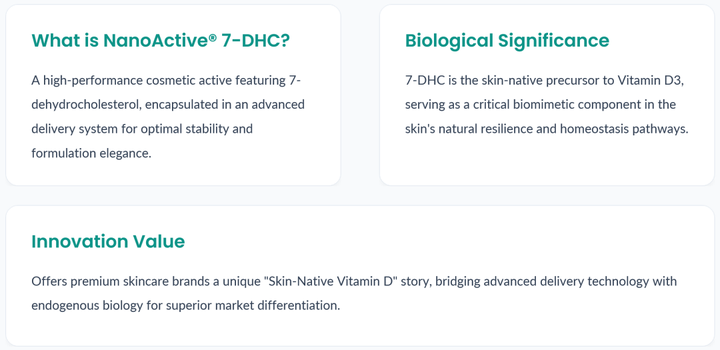
NanoActive® 7-DHC THE SKIN-NATIVE PROVITAMIN D PLATFORM

Executive Overview
Science-Backed Innovation
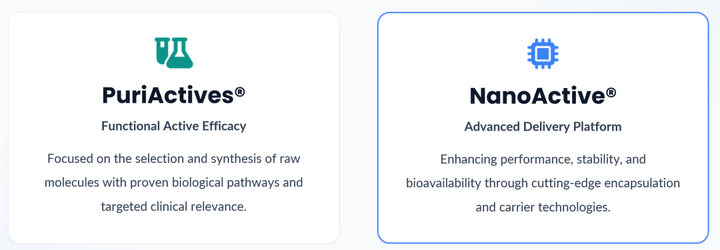
PuriPharmis a leading specialist in the design and manufacture of high-functional cosmetic active ingredients and advanced delivery platforms.
Our mission is to empower global B2B customers with biologically meaningful solutions that translate complex cellular science into commercially successful skincare products.
PuriPharmBrand Framework
Why 7-DHC Matters
Endogenous Relevance
7-dehydrocholesterol (7-DHC) is a skin-native precursor produced naturally in the human epidermis.
As a key intermediate in the cholesterol biosynthetic pathway, it represents a truebiomimeticapproach to skin health, aligning with the skin’s inherent chemistry.
 
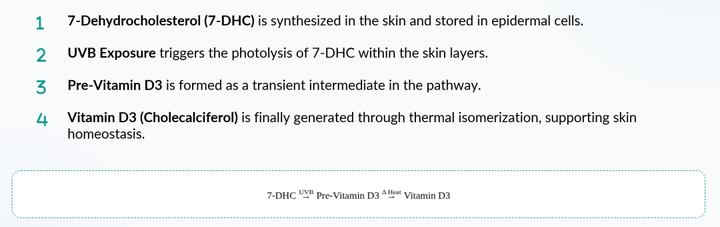
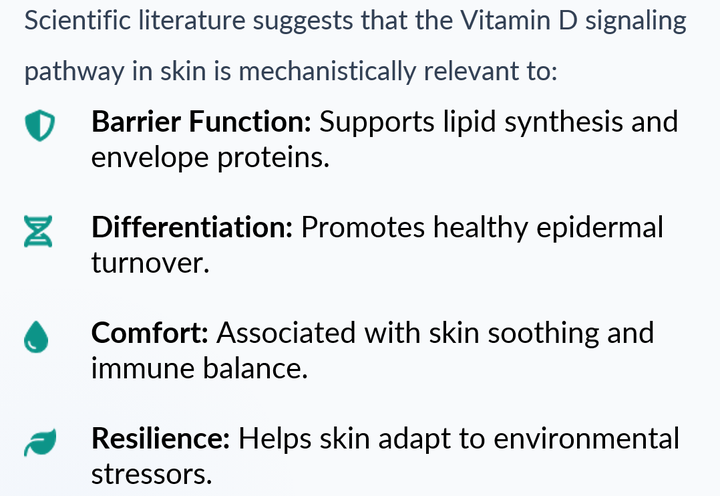
The Provitamin D Pathway
Homeostatic Skin Support
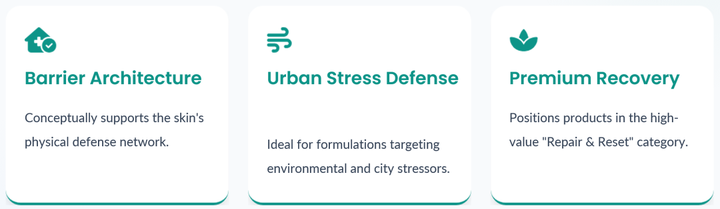
Translating Science to Beauty
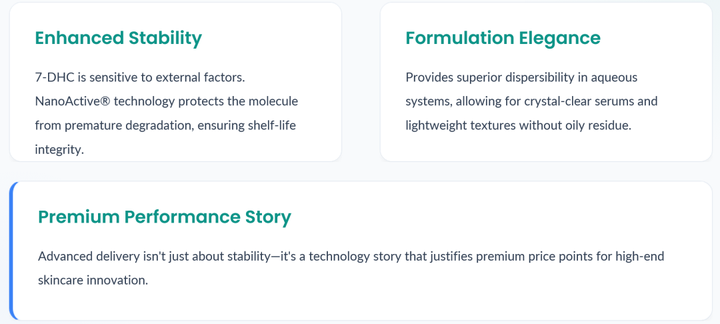
The Delivery Advantage
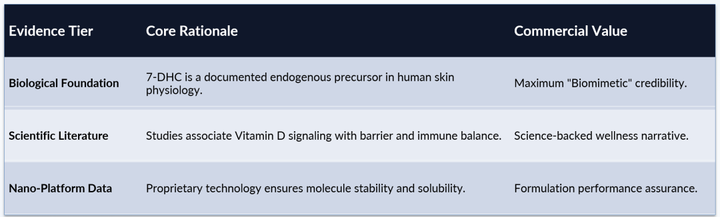
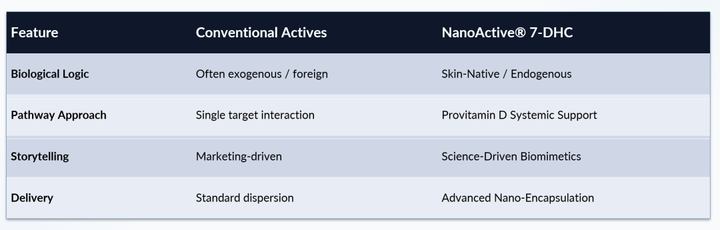
The 7-DHC Innovation Platform
Beyond Traditional Actives
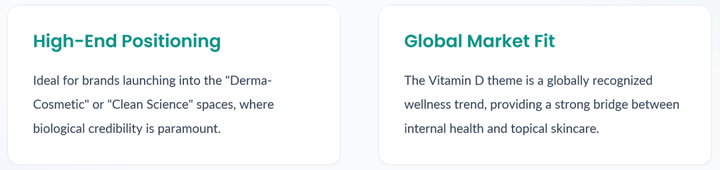
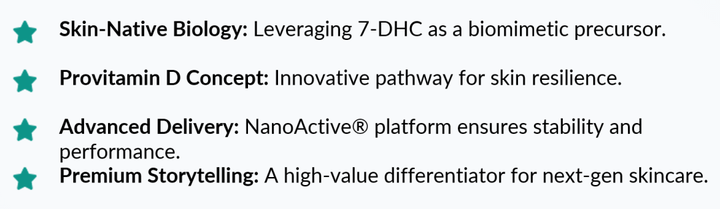
NanoActive® 7-DHC represents more than an ingredient—it is abiological platformfor brands seeking the next frontier in skin resilience.
By mimicking endogenous pathways, it offers a “Biology-First” marketing angle that resonates with sophisticated, research-driven consumers.
Mechanism of Action
Evidence Hierarchy
Polished Claim Map
Formulation Guidelines
Concept Applications
Target Consumer Needs
 
The Differentiation Edge
Commercial Strategic Value
Key Takeaways