NanoActive™ RP 视黄醇丙酸酯纳米脂质体

01 · NanoActive™ RP: Retinyl Propionate Nanoliposomes

A precision-delivered vitamin A active for advanced skin and scalp renewal. A smarter route to retinoid performance.

Powered by PURISOME® FlexVes™ Liposome Technology.

PuriPharm Co. Ltd. (浦瑞生物医药技术有限公司).
02 · Why Retinyl Propionate?

Retinyl esters differ in their skin metabolic profiles. Retinyl propionate (RP) shows a distinctive profile in human skin models and should not be viewed simply as a lower-activity substitute for retinol.

The table compares RP, retinol, and retinyl palmitate by type, metabolism, and biological activity.

Source: Bjerke et al., 2021, doi:10.1111/exd.14219. [1]

Dimension Retinyl Propionate Retinol Retinyl Palmitate
Type Short-chain retinyl ester Vitamin A alcohol Long-chain storage ester
Entry into the vitamin A pathway Yes Yes Requires further mobilization
Human skin penetration evidence Relatively strong [1] Relatively strong Lower in the comparative model
Metabolic profile Preferential conversion to retinol Further oxidation or re-esterification More oriented toward storage
RAR-related biological activity Direct experimental support [1] Classic retinoid activity Weaker in the comparative study
HA-related activity Direct experimental support [1] Present Weaker in the comparative model

03 · Meet the Molecule: A Vitamin A Ester for Metabolic Activation

INCI name: RETINYL PROPIONATE. CAS: 7069-42-3, subject to official product documentation.

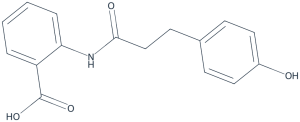
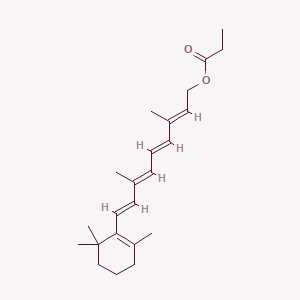
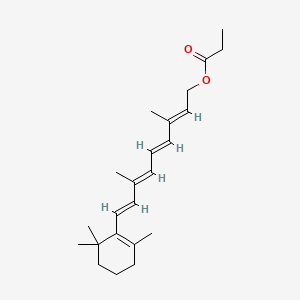
Chemical structure: an ester derivative formed from retinol and propionic acid. It is a retinyl ester, also described as a vitamin A ester.

Physicochemical profile: a lipophilic vitamin A derivative with a conjugated polyene structure, sensitivity to light, oxidation, and environmental conditions, and suitability for lipid environments, encapsulation, and nanoliposomal delivery design.

Source of the 2D chemical structure: PubChem. Listed in the PuriPharm raw material database as RETINYL PROPIONATE.
04 · From Ester to Signal

Schematic skin pathway: retinyl propionate → esterase hydrolysis → retinol → retinol dehydrogenase → retinaldehyde → retinaldehyde dehydrogenase → retinoic acid → RAR/RXR nuclear receptors → retinoic acid response elements (RAREs) and retinoid-responsive gene expression.

Downstream areas include epidermal renewal, differentiation, extracellular matrix (ECM) remodeling, hyaluronic acid (HA) biology, and skin quality.

RP undergoes stepwise activation through endogenous skin enzymes rather than binding directly to receptors. NanoActive™ RP builds on this metabolic mechanism.

Sources: Bjerke et al., 2021, and classic retinoid metabolism literature. [1]

Schematic retinoid metabolism in skin

05 · Direct RP Evidence: A Unique Profile in Human Skin Models

A 2021 study in Experimental Dermatology systematically compared RP, retinol, and retinyl palmitate in ex vivo human skin and keratinocyte models, assessing penetration, metabolism, and receptor-related biological activity.

Skin penetration: RP and retinol both showed appreciable penetration, while retinyl palmitate showed less.

Metabolism: after reaching viable epidermal and dermal regions, RP was primarily converted to retinol, entering the core vitamin A pathway.

RARα-related activity: RP showed relatively strong receptor-related activity in the experimental model, linking it to retinoid signaling.

HA-related activity: keratinocyte models showed significant activity related to HA synthesis. This retinyl ester exhibits behavior closely connected with the core retinoid pathway.

Source: Bjerke et al., 2021. [1]

06 · The Core Switch of Renewal: From Activation to Gene Expression

Classic signaling pathway: retinoic acid → RAR/RXR heterodimeric nuclear receptors → RAREs → gene transcription. RAR/RXR is a key step through which retinoid signals influence nuclear gene expression.

Downstream skin effects involve epidermal renewal, keratinocyte differentiation, skin structure, ECM support, collagen homeostasis, pigmentation uniformity, HA biology, smoothness, firmness, and elasticity.

Evidence boundary: this section describes classic retinoid-class mechanisms to explain the pathway. Clinical results for retinoic acid are not directly attributed to NanoActive™ RP.

Sources: classic retinoid signaling literature and Fisher et al., Nature, 1996. [8]
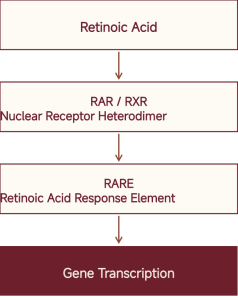
Nuclear receptor signaling and gene transcription

07 · The Retinoid Spectrum: Efficacy, Daily Use, and Formulation Engineering

The schematic places retinyl esters, retinol, retinal, and retinoic acid on a spectrum, with formulation flexibility and daily-use potential at one end and closer proximity to direct receptor activity at the other. RP is identified within this framework.

Activation by design: endogenous skin enzymes activate the molecule step by step.

Delivery by design: PURISOME® FlexVes™ flexible liposomes provide engineered protection, contact, and release.

Metabolic activation × precision delivery.

Retinoid spectrum and RP positioning schematic

08 · Endogenous Hydration: Connecting Renewal with HA Biology

RP → retinoid signaling → increased HA-related synthesis → a more favorable hydration state. Relevant skin qualities include plumpness, smoothness, softness, the appearance of fine lines, and resilience.

The concept links renewal with the skin’s own hydration network and extends retinoid care to skin quality and hydration management.

Dual hydration formulation concept: combine NanoActive™ RP with HA, polyglutamic acid (PGA), β-glucan, or ceramides to connect externally supplied hydration with endogenous HA biology.

Evidence boundary: HA synthesis-related activity comes from direct RP experiments. These ingredient combinations are formulation concepts, and synergy requires corresponding combination data.

Source: Bjerke et al., 2021. [1]
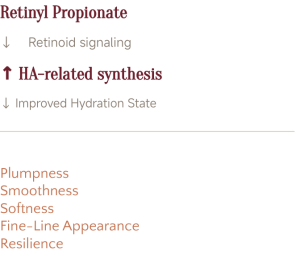
Retinoid signaling and HA-related biology

09 · Collagen and ECM: Epidermal Renewal and Dermal Structure

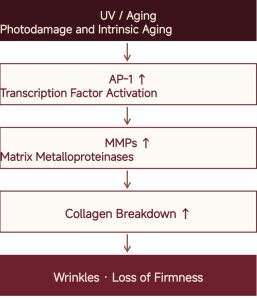
Schematic pathway: UV exposure / aging → increased AP-1 transcription factor activation → increased matrix metalloproteinases (MMPs) → increased collagen breakdown → wrinkles and loss of firmness.

Retinoid signaling can support collagen formation and regulate matrix degradation at several levels, helping maintain dermal structure. Relevant care areas include fine lines, wrinkles, firmness, elasticity, smoothness, and the appearance of photoaging.

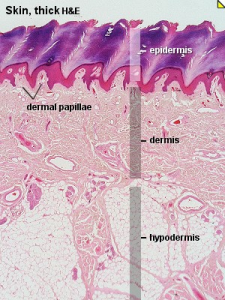
Image: thick human skin section stained with H&E, showing the epidermis, dermis, and hypodermis. Source: Blue Histology, University of Western Australia.

Evidence boundary: this is retinoid-class mechanistic evidence, not a human trial of RP itself.

Sources: Fisher et al., 1996, and Griffiths et al., 1993. [8,9]
Photodamage, collagen breakdown, and firmness pathway

10 · Three Decades of RP Research

1998: a clinicopathological study of RP cream in photoaged skin. Green et al., Clin Exp Dermatol, 23(4):162–167. [2]

2010: a randomized controlled comparison of a multi-active RP-containing skin care regimen and a 0.02% tretinoin regimen. Fu et al., Br J Dermatol, 162(3):647–654. [4]

2017: a 16-week randomized double-blind human study of RP plus climbazole. Hawkins et al., Int J Cosmet Sci, 39(6):589–599. [3]

2021: human skin models elucidated RP penetration, metabolism, RARα activity, and HA-related bioactivity. Bjerke et al., Exp Dermatol, 30(2):226–236. [1]

2023 onward: new delivery systems and retinoid combination studies continue to emerge. [6,7]

The molecule determines potential, while delivery influences how that potential is realized.

RP research timeline

11 · Human Study: Wrinkles, Pigmentation, and Tolerability over 16 Weeks

A 2017 study assessed an RP plus climbazole formulation. It was not a clinical trial of NanoActive™ RP.

Design: 45 healthy women aged 40–70 years with moderate facial photodamage, 16 weeks, randomized and double-blind split-face comparison, 0.1% retinol as the comparator, and RP plus climbazole as the test system.

More than 50% of participants showed improvement in deep wrinkles in the crow’s feet area after 5 weeks. Observed improvements included photoaging appearance, deep wrinkles, nasolabial texture, and hyperpigmentation, with relatively low irritation.

Data boundary: these results apply to the complete combination system, not RP alone, and are not clinical data for NanoActive™ RP.

Source: Hawkins et al., 2017, doi:10.1111/ics.12412. [3]

12 · The Delivery Problem: Six Challenges for Free Retinoids

Light: the conjugated polyene structure is light-sensitive, and activity can decline under exposure.

Oxygen: oxidative conditions complicate formulation and shelf-life management.

Water compatibility: high lipophilicity limits use in water-based systems.

Distribution: uniform dispersion in complex formulations can be difficult.

Local exposure: high local exposure may increase irritation and limit daily use.

Active availability: protection during shelf life and use is needed to preserve functional value.

Retinoid product design requires both molecular selection and delivery engineering.

13 · PURISOME® FlexVes™: A Microenvironment for Sensitive Retinoids

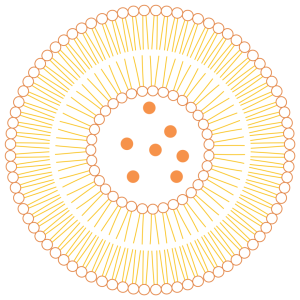
Schematic structure: an aqueous core, a phospholipid bilayer, lipophilic RP embedded in hydrophobic regions, and a flexible vesicle membrane.

Protect: the phospholipid microenvironment helps shield sensitive retinoids from light, oxygen, and complex formulation conditions.

Deliver: phospholipid structures with affinity for stratum corneum lipids support contact between the active and the skin interface.

Control: vesicle structures support gradual release and smoother local exposure.

Formulate: poorly dispersible lipophilic RP becomes a delivery-engineered active suitable for modern formulations.

The NanoActive™ range is supported by the PURISOME® platform. The official technology name is PURISOME® FlexVes™ Liposome Technology.

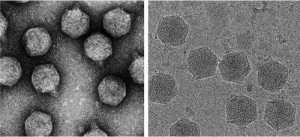
Image: an example of liposome morphology under TEM/cryo-TEM, sourced from Springer Nature Experiments.
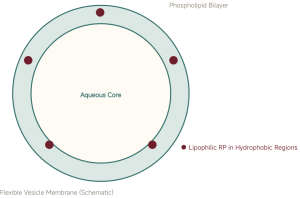
Flexible liposome structure schematic

14 · From Molecule to System: Free versus Delivery-Engineered Active

RP + PURISOME® FlexVes™ = NanoActive™ RP.

Free RP: lipophilic, exposed to the environment, conventionally dispersed, passively delivered, and subject to local concentration fluctuations.

NanoActive™ RP: vesicle-associated, phospholipid-protected, designed for improved dispersion, skin-affinitive delivery, and controlled release.

The microenvironment is engineered around molecular stability, contact, release, and formulation use.

15 · Skin Efficacy Platform: Multiple Dimensions of Renewal

Renew the epidermis, support skin structure, and refine skin quality.

Eight care areas: the appearance of fine lines, wrinkles, firmness, the appearance of elasticity, texture, dullness and uneven tone, HA-related hydration biology, and the appearance of photoaging.

16 · Barrier-Conscious Retinoids: Efficacy, Control, and Comfort

Conventional high-intensity approach: high concentrations → greater irritation → intermittent use → difficulty maintaining a routine.

Modern design approach: an effective molecule + protective delivery + gradual release + a barrier-conscious formula to support consistent long-term care.

NanoActive™ RP concepts include introductory and long-term retinoid care, anti-aging concepts for sensitive skin, daily retinoid routines, skin longevity, preventive aging, and barrier-conscious anti-aging.

Communication focuses on comfort, controlled-release design, barrier-conscious formulation, and long-term care.

17 · Formulation Inspiration Matrix: Multiple Paths to Anti-Aging

NanoActive™ RP + niacinamide: barrier, tone, and anti-aging concepts.

+ peptides: collagen and firmness concepts.

+ HA: retinoid renewal with hydration and plumpness.

+ ceramides: renewal and barrier management.

+ ectoin / β-glucan: retinoid performance with soothing protection.

+ antioxidants: photoaging and urban anti-aging care.

These are formulation inspirations. Research has explored RP combined with niacinamide and other actives, but NanoActive™ RP has not thereby been clinically validated for these synergies.

Sources: Lam et al., 2021, and Wang et al., 2023. [5,6]

18 · From Skin to Scalp: Continuously Renewing Skin

The scalp is retinoid-responsive skin, providing a research rationale for extending facial renewal concepts to scalp care.

Shared features include keratinocytes, epidermal differentiation, barrier structures, sebaceous glands, inflammatory and oxidative stress, and retinoid-responsive signaling.

A distinctive feature is the high density of hair follicles, which creates a specialized epithelial microenvironment.

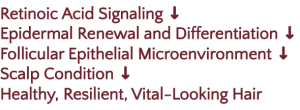
The source pathway is retinoic acid signaling → epidermal renewal and differentiation → follicular epithelial microenvironment → scalp condition → healthy, resilient, vital-looking hair.

Image: an illustrative macro view of the human scalp and hair roots.
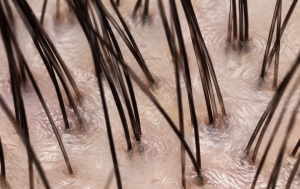
Conceptual pathway for retinoid scalp care

19 · Retinoids and Follicle Science: Retinoic Acid Signaling

Hair follicles are retinoid-responsive miniature organs.

Development: cutaneous retinoic acid levels participate in follicle development and downgrowth. Okano et al., 2012. [10]

Stem cells: research suggests that RA can participate in hair follicle stem cell activation through Wnt/β-catenin-related mechanisms. Wen et al., J Eur Acad Dermatol Venereol. [11]

Metabolism: retinoid research also indicates effects on local follicular enzyme activity. Sharma et al., 2019. [12]

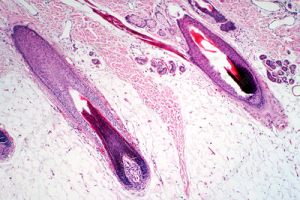
Image: a light micrograph of human scalp and hair follicles. Source: Science Photo Library.

Evidence boundary: these are follicular mechanisms involving retinoids or retinoic acid, not evidence supporting a hair-loss treatment claim for NanoActive™ RP.

Commercial care concepts include scalp renewal, the hair-root environment, follicular microenvironment care, scalp rejuvenation, resilient hair, and hair vitality.
20 · Scalp and Hair Platform: From Scalp Condition to Hair Vitality

Renew the scalp to support hair vitality. Positioning includes resilience, fullness, healthy shine, root vitality, a youthful scalp, and anti-aging hair care.

Scalp renewal: support normal epidermal renewal and balanced keratinization.

Scalp condition: maintain a smooth, healthy, balanced scalp surface.

Follicular environment: use retinoid-responsive follicle biology as a basis for premium hair-root care concepts.

Hair vitality: a healthy scalp is an important foundation for healthy hair.

Scalpification positioning extends facial retinoid science to scalp epidermal and follicular microenvironment care.

21 · Applications: Modern Skin and Scalp Formulations

Skin care: anti-aging serums, overnight renewal serums, retinoid creams, anti-aging eye care, firming lotions, fine-line serums, tone care serums, barrier-conscious retinoid products, and skin longevity products.

Scalp and hair care: scalp renewal serums, overnight scalp serums, premium scalp tonics, hair-root serums, anti-aging hair care, leave-in scalp lotions, scalp serum sprays, and premium volumizing care.

NanoActive™ RP transforms a lipophilic vitamin A ester into a delivery-engineered ingredient for a wider range of modern product formats.

Image: an illustrative formulation laboratory.

22 · Market Context: Skin Longevity and Scalpification

Skin longevity: maintaining skin quality over time.

Preventive aging: earlier care with consistent long-term retinoid routines.

Precision delivery: delivery technology as part of active ingredient differentiation.

Barrier-conscious retinoids: design efficacy and comfort together.

Scalpification: extend facial skin care technologies to scalp and hair care.

Evidence-driven beauty: develop ingredients supported by mechanisms, publications, and data.

NanoActive™ RP = retinoid science × delivery engineering × skin and scalp longevity.

23 · Why NanoActive™ RP? Molecular Potential and Delivery Performance

Metabolically activated vitamin A: RP has a distinctive skin metabolic profile.

Direct RP scientific evidence: human skin models and human studies provide a research foundation, with attribution distinguished between RP alone and combination systems.

PURISOME® precision delivery: flexible phospholipid vesicles provide protection, delivery, and release design.

Multi-dimensional skin renewal: wrinkles, texture, firmness, tone, hydration, and photoaging care.

New scalp-care opportunities: extend retinoid science to scalp rejuvenation and follicular microenvironment care.

The molecule determines potential, while delivery influences performance.

24 · A Smarter Route to Retinoid Performance

NanoActive™ RP, retinyl propionate nanoliposomes. A smarter route to retinoid performance and more precise renewal.

Metabolic activation × precision liposomal delivery × skin and scalp renewal.

Powered by PURISOME® FlexVes™ Liposome Technology.

PuriPharm Co. Ltd. (浦瑞生物医药技术有限公司).

25 · Selected References and Evidence Classification

[1] Bjerke DL, Li R, Price JM, et al. The vitamin A ester retinyl propionate has a unique metabolic profile and higher retinoid-related bioactivity over retinol and retinyl palmitate in human skin models. Experimental Dermatology. 2021;30(2):226–236. doi:10.1111/exd.14219.

[2] Green C, Orchard G, Cerio R, Hawk JL. A clinicopathological study of the effects of topical retinyl propionate cream in skin photoageing. Clinical and Experimental Dermatology. 1998;23(4):162–167.

[3] Hawkins S, Adamus J, Chiang CY, et al. Retinyl propionate and climbazole combination demonstrates clinical improvement to the appearance of hyperpigmentation and deep wrinkling with minimal irritation. International Journal of Cosmetic Science. 2017;39(6):589–599. doi:10.1111/ics.12412.

[4] Fu JJJ, Hillebrand GG, Raleigh P, et al. A randomized, controlled comparative study of the wrinkle reduction benefits of a cosmetic niacinamide/peptide/retinyl propionate product regimen vs. a prescription 0.02% tretinoin product regimen. British Journal of Dermatology. 2010;162(3):647–654.

[5] Lam ECS, Li R, Rodrigues MR, et al. Enhanced retinoid response by a combination of the vitamin A ester retinyl propionate with niacinamide and a flavonoid containing Ceratonia siliqua extract in retinoid responsive in vitro models. International Journal of Cosmetic Science. 2021;43(1):102–106.

[6] Wang Q, Hu F, Hu X, et al. The synergistic effect of retinyl propionate and hydroxypinacolone retinoate on skin aging. Journal of Cosmetic Dermatology. 2023;22(7):2040–2049.

[7] Bai D, Hu F, Xu H, et al. High Stability and Low Irritation of Retinol Propionate and Hydroxypinacolone Retinoate Supramolecular Nanoparticles with Effective Anti-Wrinkle Efficacy. Pharmaceutics. 2023;15(3):731.

[8] Fisher GJ, Datta SC, Talwar HS, et al. Molecular basis of sun-induced premature skin ageing and retinoid antagonism. Nature. 1996;379:335–339.

[9] Griffiths CEM, Russman AN, Majmudar G, et al. Restoration of collagen formation in photodamaged human skin by tretinoin. New England Journal of Medicine. 1993;329:530–535.

[10] Okano J, Levy C, Lichti U, et al. Cutaneous retinoic acid levels determine hair follicle development and downgrowth. Journal of Biological Chemistry. 2012;287(47):39304–39315. doi:10.1074/jbc.M112.397273.

[11] Wen L, Fan Z, Huang W, et al. Retinoic acid drives hair follicle stem cell activation via Wnt/β-catenin signalling in androgenetic alopecia. Journal of the European Academy of Dermatology and Venereology.

[12] Sharma A, Goren A, Dhurat R, et al. Tretinoin enhances minoxidil response in androgenetic alopecia patients by upregulating follicular sulfotransferase enzymes. Dermatologic Therapy. 2019;32(3):e12915.

[13] Mezei M, Gulasekharam V. Liposomes — a selective drug delivery system for the topical route of administration: lotion dosage form. Life Sciences. 1980;26(18):1473–1477.

[14] Cevc G, Blume G. Lipid vesicles penetrate into intact skin owing to the transdermal osmotic gradients and hydration force. Biochimica et Biophysica Acta. 1992;1104(1):226–232.

Evidence classification: [1] and [2] provide direct RP evidence. [3] and [4] report human data for RP-containing combinations. [5]–[7] concern RP combinations or delivery systems. [8]–[12] provide retinoid-class mechanistic evidence. [13] and [14] are classic liposomal delivery publications.

PuriPharm Co. Ltd. 浦瑞生物医药技术有限公司 · PURISOME® FlexVes™ Liposome Technology

01 · PuriActives® NanoCalmin: Product Presentation

Multi-pathway soothing science for skin and scalp. A product presentation focused on sensitive skin and scalp care.

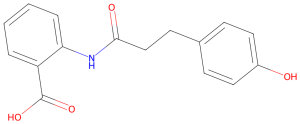
Key ingredient: Hydroxyphenyl Propamidobenzoic Acid.

“Skin Calm. Scalp Calm. One Multi-Pathway Solution.”

PuriPharm Co. Ltd. (浦瑞生物医药技术有限公司).

02 · Beyond Anti-Irritant: Multi-Pathway Soothing Science

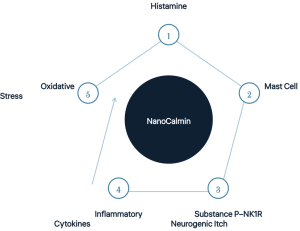
NanoCalmin’s five core pathways involve histamine, mast cells, the substance P–NK1R neurogenic itch axis, inflammatory cytokine cascades, and oxidative stress.

Five core claims: anti-itch soothing, redness reduction, suppression of histamine-related responses, anti-inflammatory soothing, and antioxidant defense.

Applications span skin care, body care, scalp care, and hair care, with one multi-pathway solution for skin and scalp.

Sources: Schmaus et al., 2007, and Lotts et al., 2017. [1,3]

Five core soothing pathways

03 · Product Identity: Nature-Inspired Molecular Precision

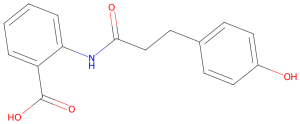
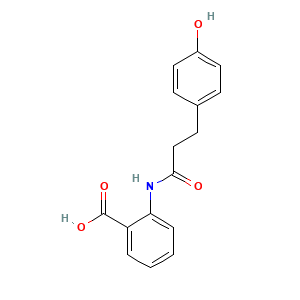
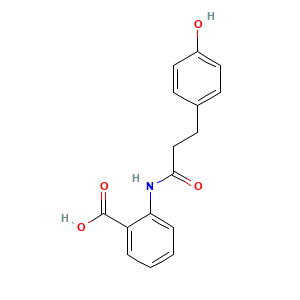
Core INCI: Hydroxyphenyl Propamidobenzoic Acid. Research name: Dihydroavenanthramide D (DHAvD). Molecular weight: 285.3.

This molecularly defined synthetic analogue is inspired by the structure of naturally occurring oat avenanthramides.

Product attributes: a defined molecular composition and traceable structure, identifiable efficacy targets supported by published mechanisms, high batch consistency and controllable quality, suitability for modern skin and scalp care formulations, and anti-irritant, anti-itch, anti-redness, anti-inflammatory, and antioxidant properties.

Oat-inspired avenanthramide science. Source: Sur et al., 2008. [4]

04 · The Problem: Sensitive Skin Is More Than Histamine

Itch involves a cascade of neural, immune, and inflammatory events.

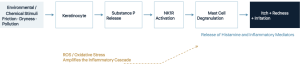
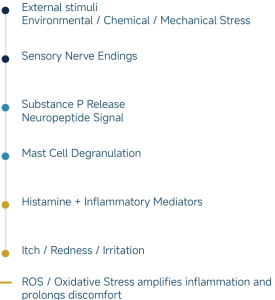
The source schematic presents environmental or chemical stimuli (friction, dryness, pollution) → keratinocytes → substance P release → NK1R activation → mast cell degranulation → itch, redness, and irritation. Histamine and inflammatory mediators are released, while ROS and oxidative stress further amplify the inflammatory cascade.

Skin itch is a complex process involving nerves, immune responses, mast cells, and inflammatory mediators. NanoCalmin is positioned for multi-pathway intervention.

Sources: Lotts et al., 2017, and Sur et al., 2008. [3,4]

Neural, immune, and inflammatory cascade schematic

05 · Mechanism 1: Targeting the SP–NK1R Neuroimmune Itch Axis

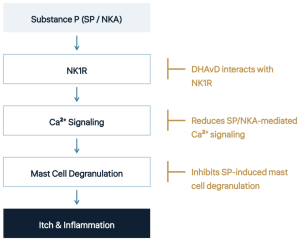
The source pathway is substance P / neurokinin A (SP / NKA) → NK1R → Ca²⁺ signaling → mast cell degranulation → itch and inflammation.

Research on DHAvD reports interaction with the neurokinin-1 receptor (NK1R), reduced SP/NKA-mediated intracellular Ca²⁺ signaling, inhibition of SP-induced mast cell degranulation, and reduced IL-6-related inflammatory responses in keratinocytes and macrophages.

This supports upstream intervention in the neurogenic itch cascade. Source: Lotts et al., 2017, doi:10.1111/exd.13265. [3]

DHAvD and the SP–NK1R-related mechanism schematic

06 · Mechanism 2: Dose-Dependent Histamine Control

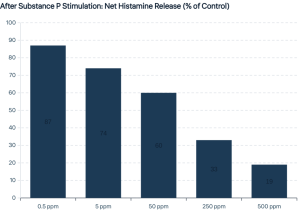
After substance P stimulation, net histamine release from mast cells decreased with increasing DHAvD concentration.

Original chart data: 0.5, 5, 50, 250, and 500 ppm correspond to 87%, 74%, 60%, 33%, and 19% of control release, respectively. At 500 ppm, net release was approximately 19% of control.

The vertical axis shows histamine release as a percentage of control. Lower values indicate less release. Across 0.5–500 ppm, the source describes a clear and reproducible dose–response relationship.

Source: Schmaus et al., 2007. [1]

Net histamine release (% of control)

07 · Human Efficacy: Comfort in a Histamine Challenge Model

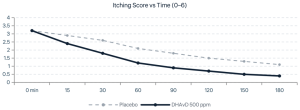
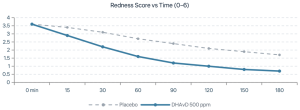
Study design: a double-blind human skin prick study using histamine HCl to induce itch and erythema, 10 subjects, a single application of 500 ppm DHAvD, 180 minutes of follow-up, and a 0–6 scoring scale.

Compared with placebo and untreated areas, the 500 ppm DHAvD formulation reduced erythema faster and significantly lowered itch scores, with p < 0.05.

The two charts present itch and erythema scores, retaining the source curves and data. They are illustrative redrawings based on Figure 5 of the original publication and should not be treated as precise experimental measurements.

Source: Schmaus et al., 2007. [1]

Itch scores over time; illustrative redrawing

Redness scores over time; illustrative redrawing

08 · Antioxidant Activity: Defense Beyond Soothing

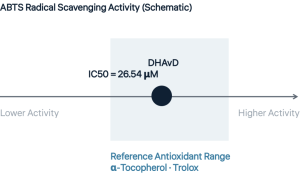
ABTS radical scavenging assay: DHAvD had an IC50 of 26.54 μM, equivalent to 7.57 μg/mL.

The source cites a paper reporting radical scavenging activity in a range similar to that of reference antioxidants such as α-tocopherol and Trolox.

The schematic compares lower to higher scavenging activity and places DHAvD near the reference antioxidant range. It does not provide precise numerical values for the reference antioxidants. Calm inflammation and defend against oxidative stress.

Application opportunities include care for environmental irritation, sensitivity associated with photoaging, support for tolerance of active ingredients, sensitive scalp care, and everyday urban skin stress.

Source: Schmaus et al., 2007. [1]

Schematic comparison of ABTS radical scavenging activity

09 · Stability: A Broad pH Range for Formulation Development

Study conditions: 500 ppm DHAvD over 24 weeks at pH 3, 5, 7, 9, and 12 and temperatures of 5, 25, and 40°C. The complete stability matrix appears below.

Only slight degradation was observed at pH 3 and 12 after 24 weeks, while the molecule remained stable at pH 5–9.

These data support formulation development from acidic skin care to shaving products and high-pH hair bleaching or coloring applications.

Note: these are published stability data for the DHAvD molecule. The final recommended range for commercial NanoCalmin follows PuriPharm’s product documentation.

Source: Schmaus et al., 2007. [1]

Temperature / pH 3 5 7 9 12
5 °C Slight degradation Stable Stable Stable Slight degradation
25 °C Slight degradation Stable Stable Stable Slight degradation
40 °C Slight degradation Stable Stable Stable Slight degradation

10 · Skin Delivery: Why Skin Availability Matters

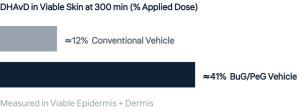
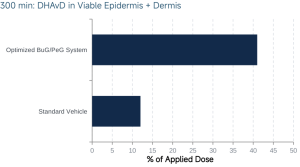
In a study of specific vehicles, DHAvD in the viable epidermis and dermis at 300 minutes accounted for approximately 12% of the applied dose with a conventional vehicle and 41% with an optimized BuG/PeG vehicle.

Adding the BuG/PeG system increased DHAvD release approximately 2–4-fold within 30 minutes and increased the amount in viable skin layers approximately twofold.

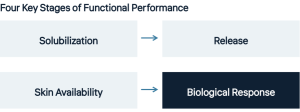
Four linked stages influence efficacy: solubilization → release → skin availability → biological response. This chain is the scientific basis of NanoCalmin’s delivery design concept.

Data note: the 12%, 41%, and 2–4-fold figures come from published studies of specific BuG/PeG vehicle or diol systems. They illustrate the value of delivery design and are not measurements of NanoCalmin itself.

Source: Heuschkel et al., 2008, doi:10.1016/j.ejpb.2008.04.005. [2]

Published results for specific vehicles, not measurements of NanoCalmin

Solubilization, release, skin availability, and biological response

11 · NanoCalmin Technology: A Formulation-Ready Delivery Concept

Design chain: the active molecule DHAvD → solubilization and encapsulation in a nano/phospholipid carrier → uniform dispersion compatible with aqueous and emulsified systems → contact and functional performance on skin or scalp.

Hydroxyphenyl Propamidobenzoic Acid presents solubility and delivery challenges in aqueous applications. NanoCalmin uses delivery and solubilization design to improve suitability for cosmetic formulations.

Key benefits: easier dispersion and use, greater active availability within the formulation, support for skin contact and functional performance, and suitability for different sensory profiles and dosage forms.

NanoCalmin-specific particle size, encapsulation efficiency, and other technical parameters must follow PuriPharm’s official test data and product documentation. The image illustrates texture design for multiple formulation formats.

Source: PuriPharm NanoCalmin product information.

NanoCalmin delivery design concept

12 · Skin Applications: Interrupting the Itch–Scratch Cycle

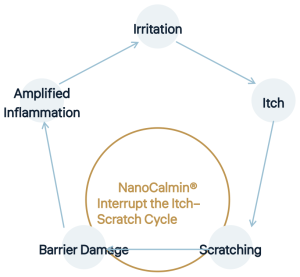
The source cycle is irritation → itch → scratching → barrier damage → amplified inflammation. NanoCalmin is positioned to help interrupt this cycle.

Five application groups: soothing serums for sensitive skin, barrier care creams, soothing alongside acids and retinoids, post-sun/post-shave/depilation aftercare, and body care for dry and itchy skin.

The concept extends soothing care from redness management to multiple neural, immune, and oxidative stress pathways.

Source: PuriPharm NanoCalmin application concepts.

Itch–scratch cycle schematic

13 · Application Data: A 4-Week Study in Dry and Itchy Skin

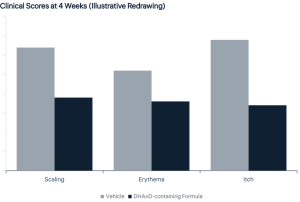
A 4-week double-blind crossover study enrolled 40 subjects aged 35–80 years with pronounced dryness and itch. A system containing 2% of the relevant commercial DHAvD formulation was compared with vehicle, assessing scaling, erythema, and itch.

Results: scaling improved significantly versus vehicle (p < 0.041), erythema improved, and itch decreased markedly. The source describes clear downward trends in erythema and itch.

The chart is an illustrative redrawing of 4-week clinical scores, retaining the original presentation’s values and groups.

Attribution note: this is an application study of a commercial combination formula containing DHAvD and provides formulation-level evidence. “2% commercial formula” does not mean 2% pure Hydroxyphenyl Propamidobenzoic Acid.

Source: supplied technical dossier.

Clinical scores at 4 weeks; illustrative redrawing

14 · Scalp Care: Comfort Beyond Dandruff Control

Consumer-perceivable scalp concerns include itch, redness, tightness, and irritation. Conventional dandruff care focuses on microorganisms and flakes, while comfort care addresses everyday scalp discomfort.

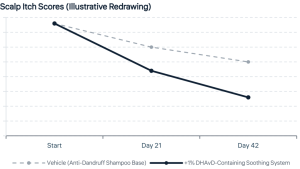
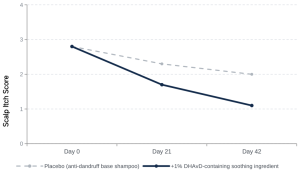
The original chart compares an anti-dandruff shampoo vehicle with a system containing 1% of a DHAvD-containing soothing ingredient on days 0, 21, and 42. The added-system group showed larger decreases in itch scores at days 21 and 42. The chart is an illustrative redrawing.

Anti-dandruff plus anti-itch positioning connects flake control with greater scalp comfort.

Note: the test formulation also contained climbazole. NanoCalmin is positioned for complementary itch relief and soothing, without claims of direct antifungal or anti-dandruff action.

Source: scalp application study data in the supplied technical dossier.

Scalp itch scores; illustrative redrawing

15 · Application Matrix: Scalp and Hair Care Opportunities

One active supports multiple scalp and hair care opportunities. The table retains all eight original cells and their functional positioning.

Core benefits: anti-itch, anti-redness, anti-irritation, and antioxidant activity.

Source: PuriPharm NanoCalmin application matrix.

Anti-Dandruff ShampooAnti-Itch · Anti-Irritation Sensitive Scalp ShampooAnti-Redness · Anti-Itch Scalp Soothing SerumAnti-Itch · Anti-Redness Hair Color / Bleach AftercareAnti-Irritation · Antioxidant
Anti-Itch Scalp TonicAnti-Itch Men’s Scalp CareAnti-Itch · Anti-Irritation Shaving / Beard CareAnti-Redness · Anti-Irritation Skin + ScalpOne Active, Two Application AreasNanoCalmin

16 · Supporting Evidence: Reconstructed Human Epidermis

A 2014 in vitro study assessed IL-1α in a reconstructed human epidermis (RHE) model. Inflammatory stimulation increased IL-1α release, while a DHAvD-containing complex reduced release, with an illustrated inhibition level of approximately 90%. Treated tissue showed approximately 35% higher cell viability than untreated tissue.

Attribution note: the study assessed a combination formulation containing DHAvD. It illustrates potential within soothing complexes, and its results cannot be attributed entirely to pure DHAvD alone.

This formulation-level evidence supports the development rationale for combination systems incorporating NanoCalmin.

Source: de Yzaguirre et al., 2014, doi:10.4236/jcdsa.2014.45040. [5]

17 · Patents and Applications: Itch-Relief Systems in a European Patent

Patent number: EP 1893161 B1. Title: “Mixtures Comprising Anthranilic Acid Amides and Cooling Agents as Cosmetic and Pharmaceutical Compositions for Alleviating Itching.”

Applications described include after-shave balms, shaving foams, wipes, and various topical care systems using low addition levels for itch relief, redness reduction, and anti-irritant care.

The patent number, title, and technical applications are presented as formulation development references for NanoCalmin. Images include an application photograph and the DHAvD molecular structure.

Source: EP 1893161 B1. [6]

18 · Formulation Guide: NanoCalmin

Recommended dosage: 0.1–5%. Recommended working pH: 3–8. Processing: add at approximately 45°C or below. Storage: keep cool and protect from light. Compatibility: common skin, body, and scalp care systems.

Dosage forms: essences/serums, creams/lotions, gels, masks, body lotions, shampoos, scalp serums, scalp tonics, after-shave care, and post-color care.

All parameters must follow PuriPharm’s latest TDS or SPEC.

Source: PuriPharm NanoCalmin TDS, latest version.

19 · Value Summary: One Molecule, Multiple Pathways, Skin and Scalp

Five value areas: rapid comfort for itch and redness, dose-dependent histamine release suppression, modulation of the SP–NK1R neuroimmune itch axis, antioxidant defense, and applications from sensitive skin to sensitive scalp.

“Calm More Than Skin.” NanoCalmin: multi-pathway soothing science for skin and scalp.

PuriPharm Co. Ltd. (浦瑞生物医药技术有限公司).

20 · References: Core Publications and Patent

1. Schmaus G, Herrmann M, Joppe H, Lange S, Koch O, Pillai R, Röding J. Dihydroavenanthramide D for Anti-irritant and Anti-itch. Cosmetics & Toiletries. 2007;122(11):55–64.

2. Heuschkel S, Wohlrab J, Schmaus G, Neubert RHH. Modulation of Dihydroavenanthramide D release and skin penetration by 1,2-alkanediols. European Journal of Pharmaceutics and Biopharmaceutics. 2008;70:239–247. doi:10.1016/j.ejpb.2008.04.005.

3. Lotts T, Agelopoulos K, Phan NQ, et al. Dihydroavenanthramide D inhibits mast cell degranulation and exhibits anti-inflammatory effects through the activation of neurokinin-1 receptor. Experimental Dermatology. 2017;26(8):739–742. doi:10.1111/exd.13265.

4. Sur R, Nigam A, Grote D, Liebel F, Southall MD. Avenanthramides, polyphenols from oats, exhibit anti-inflammatory and anti-itch activity. Archives of Dermatological Research. 2008;300:569–574. doi:10.1007/s00403-008-0858-x.

5. de Yzaguirre MM, Bacchini G, Luna EG, Vila-Martínez E. Anti-Inflammatory Efficacy of Product Containing “Skin Calm Complex” in Vitro Reconstructed Epidermis. Journal of Cosmetics, Dermatological Sciences and Applications. 2014;4:309–315. doi:10.4236/jcdsa.2014.45040.

6. EP 1893161 B1. Mixtures Comprising Anthranilic Acid Amides and Cooling Agents as Cosmetic and Pharmaceutical Compositions for Alleviating Itching.

PuriPharm Co. Ltd. · NanoCalmin

PuriActives® BioCalmin

PuriActives® BioCalmin: Dihydroavenanthramide D

Precision active ingredient. Multi-pathway soothing for skin and scalp, inspired by oat science.

INCI: HYDROXYPHENYL PROPAMIDOBENZOIC ACID. Active molecule: Dihydroavenanthramide D (DHAvD).

PuriPharm Co. Ltd. (浦瑞生物医药技术有限公司).

Executive Summary: One Molecule, Multiple Soothing Pathways

PuriActives® BioCalmin supports soothing through multiple pathways, from histamine release to oxidative stress.

Six functional dimensions: rapid itch relief, redness reduction, suppression of histamine-related responses, irritation protection, modulation of inflammatory responses, and antioxidant defense.

Applications span both skin and scalp care.

Molecular Origin: From Oat Science to Molecular Precision

Oats have long been used to soothe dry, irritated, and itchy skin. Naturally occurring oat avenanthramides are among their characteristic active components.

Development pathway: natural oat avenanthramides → structure-inspired molecular optimization → the synthetic analogue dihydroavenanthramide D (DHAvD) → standardized manufacturing → PuriActives® BioCalmin.

BioCalmin is a molecularly defined synthetic analogue inspired by the structure and soothing mechanisms of natural oat avenanthramides. The presentation highlights stability, defined activity, identifiable targets, and quantifiable efficacy.

Molecular weight: approximately 285.3. Four attributes: nature-inspired design, a defined molecular structure, reproducible efficacy, and formulation versatility. Defined active molecule. Precision efficacy. Scientific evidence.

Skin Biology: The Biology Behind Itch and Redness

Itch and redness in sensitive skin involve a cascade linking neural signals, immune responses, and inflammatory mediators.

External stimuli (environmental, chemical, or mechanical stress) → sensory nerve endings → substance P release → mast cell degranulation → release of histamine and inflammatory mediators → itch, redness, and irritation.

Reactive oxygen species (ROS) and oxidative stress can amplify inflammation and prolong discomfort. Itch involves neural signaling, immune mediators, and oxidative stress, so intervention at a single target may not cover the full cascade.

BioCalmin is positioned for intervention at several levels, including substance P-related neural signaling, histamine-related immune responses, and ROS-related oxidative stress.

Core Mechanism: Targeting Histamine Release in the Itch Cascade

Stress → sensory nerves → substance P signaling → mast cells → histamine release → itch, redness, and irritation. BioCalmin targets the substance P–mast cell–histamine step.

Research shows that DHAvD can inhibit substance P-induced histamine release from mast cells, providing an upstream biological basis for itch relief, redness reduction, and anti-irritant activity. [1]

In Vitro Evidence: Dose-Dependent Histamine Control

In the mast cell model, substance P-induced net histamine release decreased as DHAvD concentration increased. The presentation describes biological activity at low concentrations.

Chart data (DHAvD concentration / net histamine release as a percentage of control): 0.5 ppm / 87%, 5 ppm / 74%, 50 ppm / 60%, 250 ppm / 33%, and 500 ppm / 19%.

At 500 ppm, net release was approximately 19% of control. The vertical axis shows net histamine release (% of control), and the horizontal axis shows DHAvD concentration. Values represent remaining release, rather than percentage inhibition. [1]

Human Evidence: Itch Relief in a Histamine Skin Prick Model

Study design: double-blind, 10 subjects, histamine HCl at 10 mg/mL, 500 ppm DHAvD as the test active, a single application, 180 minutes of observation, and an itch score scale of 0–6.

Itch scores declined faster in the 500 ppm DHAvD area, with p < 0.05 versus placebo and untreated areas. The chart compares untreated skin, placebo, and 500 ppm DHAvD at 0, 30, 60, 90, 120, 150, and 180 minutes.

The curves were redrawn from the DHAvD-related curves in Figure 5 of the cited publication and illustrate trends only. [1]

Human Evidence: Visible Redness Reduction

In the same histamine skin prick study, erythema scores decreased faster in the area treated with 500 ppm DHAvD. Itch and erythema scores declined faster than in placebo and untreated areas, with p < 0.05. The presentation summarizes the benefits as itch relief, redness reduction, and improved comfort.

The chart compares untreated skin, placebo, and 500 ppm DHAvD over 0–180 minutes. Erythema curves were redrawn from the same human study and illustrate trends only. [1]

Antioxidant Defense: The ABTS Radical Scavenging Assay

DHAvD had an IC50 of 26.54 μM (7.57 μg/mL) in the ABTS radical scavenging assay. Reference antioxidants were α-tocopherol (vitamin E) and Trolox, a water-soluble vitamin E analogue.

DHAvD demonstrated good radical scavenging activity in an ABTS assay alongside these reference antioxidants, supporting antioxidant defense in addition to soothing. [1]

Potential application contexts include urban environmental irritation, sensitivity after light exposure, pollution stress, formulations with potent actives, sensitive scalp care, and scalp stress after coloring or perming. Calm the skin and defend against oxidative stress.

Multi-Pathway Soothing: Multiple Levels of Inflammation Control

Pathway 1: substance P → mast cells → histamine. This neuroimmune itch cascade is associated with itch and redness.

Pathway 2: environmental stress → ROS → an inflammatory cascade. Oxidative stress can amplify inflammation, providing a rationale for antioxidant defense.

Pathway 3: keratinocyte stress → cytokine signaling → skin discomfort.

A soothing complex containing DHAvD has shown anti-inflammatory evidence in reconstructed human epidermis. The multi-pathway rationale combines molecular mechanisms with formulation synergy. One molecule, intervention at multiple levels: calm signals, protect against stress, and restore comfort.

In Vitro Evidence: Reconstructed Human Epidermis

Test system: reconstructed human epidermis in an inflammatory injury model, treated with a soothing formulation containing DHAvD plus a botanical complex. Endpoints were IL-1α release and tissue cell viability.

After inflammatory stimulation, the DHAvD-containing complex showed approximately 90% inhibition of IL-1α release and a 35% increase in tissue cell viability versus untreated tissue. The presentation cites this as tissue-level evidence for DHAvD-containing soothing formulations.

Attribution note: these results concern a DHAvD-containing soothing complex (Skin Calm Complex) and cannot be attributed entirely to DHAvD alone. [5]

Stability: Long-Term Observation Across a Wide pH Range

Published stability conditions for the active molecule: 500 ppm DHAvD, pH 3, 5, 7, 9, and 12, temperatures of 5°C, 25°C, and 40°C, and observation for up to 24 weeks.

The presentation reports only slight degradation after 24 weeks, even at pH 3 and pH 12, indicating a broad molecular stability window of pH 3–12.

Potential development areas include acidic skin care, shaving products, hair color, hair bleach, and hair care systems with high pH. These are published data for the DHAvD molecule. The recommended pH for commercial BioCalmin must follow PuriPharm’s latest TDS. [1]

Skin Care Applications: Precision Soothing for Sensitive Skin

Precision soothing addresses multiple sensitivity signals, including itch, redness, irritation, and oxidative stress.

Applications include sensitive skin serums, barrier repair creams, care after exfoliating acids, soothing support alongside retinoids, post-sun care, post-shave care, depilation aftercare, and body care for dry and itchy skin.

Image: real photography of sensitive skin care.

Application Study: Comfort for Dry and Itchy Skin

Study design: 40 subjects aged 35–80 years with visible dryness and itch, a 4-week double-blind crossover study, vehicle versus a DHAvD-containing formula, and assessment of scaling, erythema, and itch.

Scaling improved with p < 0.001 versus baseline and p < 0.041 versus vehicle. Erythema showed continued improvement over 4 weeks. Itch showed an improving trend, described in the presentation as a perceivable gain in comfort.

All three endpoints showed improving trends with the DHAvD-containing formula. Bar lengths illustrate trends and do not represent exact numerical proportions.

Source: supplied technical dossier. The tested formula contained a commercial DHAvD ingredient, rather than pure DHAvD.

Scalp Care Value: Consumer-Perceivable Comfort

The scalp discomfort cycle: dandruff → itch → scratching → redness → barrier stress → increased discomfort.

Conventional anti-dandruff systems primarily address dandruff-associated microorganisms. BioCalmin adds a comfort dimension through itch relief, reduced irritation, redness care, and scalp comfort.

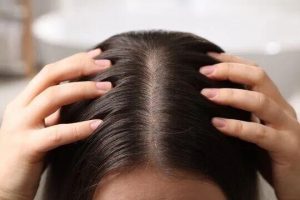
A two-dimensional approach combines dandruff control with scalp comfort. Image: real photography illustrating healthy scalp care.

Application Study: Itch Relief in Dandruff-Prone Scalp

A 42-day shampoo application study used a base shampoo containing conventional anti-dandruff agents. The chart compares placebo (the anti-dandruff base shampoo) with a system containing 1% of a DHAvD-containing soothing ingredient, assessed on days 0, 21, and 42.

With the added soothing system, scalp itch scores continued to decline on days 21 and 42, with p < 0.05 versus baseline. The curves were redrawn from the 42-day application data and illustrate trends only.

The positioning combines dandruff control with itch relief and improved scalp comfort.

Positioning boundary: the original test system contained conventional anti-dandruff agents such as climbazole. BioCalmin’s core value is itch relief, soothing, reduced irritation, and improved scalp comfort. No antifungal or dandruff-treatment claim is made. Source: supplied technical dossier.

Application Matrix: From Skin Care to Scalp Care

Hair and scalp applications span four dimensions: anti-itch, anti-redness, anti-irritation, and antioxidant activity. The table retains all application rows and markers from the presentation.

From shampoos and scalp serums to care after coloring, perming, or bleaching and men’s grooming, one active supports skin and scalp comfort across multiple applications.

Application Anti-Itch Anti-Redness Anti-Irritation Antioxidant
Sensitive Scalp Shampoo ● ● ● ●
Anti-Dandruff Shampoo ● ● ● ●
Scalp Soothing Serum ● ● ● ●
Anti-Itch Scalp Tonic ● ● ● ●
Hair Color Aftercare ● ● ● ●
Bleaching Aftercare ● ● ● ●
Perm Aftercare ● ● ● ●
Daily Scalp Care ● ● ● ●
Men’s Scalp Care ● ● ● ●
Beard / Shaving Care ● ● ● ●

Formulation Science: Release and Skin Availability

DHAvD has a molecular weight of approximately 285.3 and a logP of approximately 3.34, with relatively limited water solubility.

Published research shows that suitable 1,2-alkanediol systems can improve DHAvD release and skin availability. In specific BuG/PeG systems, release within 30 minutes increased approximately 2–4-fold, and the amount reaching viable skin layers increased approximately twofold. Appropriate carrier design helps translate molecular properties into formulation performance.

The original presentation chart shows the amount in the viable epidermis and dermis at 300 minutes as a percentage of the applied dose: approximately 12% for the standard vehicle and 41% for the optimized BuG/PeG system.

These results concern specific experimental formulations and do not substantiate a claim that “BioCalmin has 41% skin penetration.” [2]

Formulation Guide

Recommended use level: 0.1–5%. Recommended working pH: 3–8. Processing: add at approximately 45°C or below (≤45°C). Storage: keep cool and protect from light.

Suitable formats: essences, serums, lotions, creams, gels, masks, body care, shampoos, conditioners, scalp serums, scalp tonics, after-shave care, and hair color aftercare.

These parameters are based on PuriPharm’s internal BioCalmin documentation. If they differ from the latest TDS or SPEC, the latest technical documentation takes precedence.

Product Summary: Precision Soothing, Defined by Science

PuriActives® BioCalmin has six core positioning areas: rapid itch relief, visible redness care, inhibition of substance P-induced histamine release, soothing of inflammatory stress through multiple pathways, antioxidant defense, and applications across skin, body, scalp, and hair care.

One molecule. Multi-pathway comfort. Dihydroavenanthramide D brings molecular science to precision soothing.

PuriPharm Co. Ltd. Defined molecule. Proven comfort.

References and Data Sources

1. Schmaus G, Herrmann M, Joppe H, Lange S, Koch O, Pillai R, Röding J. Dihydroavenanthramide D for Anti-irritant and Anti-itch. Cosmetics & Toiletries. 2007;122(11):55–64.

2. Heuschkel S, Wohlrab J, Schmaus G, Neubert RHH. Modulation of Dihydroavenanthramide D release and skin penetration by 1,2-alkanediols. European Journal of Pharmaceutics and Biopharmaceutics. 2008;70:239–247. doi:10.1016/j.ejpb.2008.04.005.

3. Heuschkel S, Wohlrab J, Neubert RHH. Dermal and transdermal targeting of dihydroavenanthramide D using enhancer molecules and novel microemulsions.

4. Sur R, Nigam A, Grote D, Liebel F, Southall MD. Avenanthramides, polyphenols from oats, exhibit anti-inflammatory and anti-itch activity. Archives of Dermatological Research. 2008;300:569–574. doi:10.1007/s00403-008-0858-x.

5. de Yzaguirre MM, Bacchini G, Luna EG, Vila-Martínez E. Anti-Inflammatory Efficacy of Product Containing “Skin Calm Complex” in Vitro Reconstructed Epidermis. Journal of Cosmetics, Dermatological Sciences and Applications. 2014;4:309–315. doi:10.4236/jcdsa.2014.45040.

Application study data are from the supplied technical dossier. Reference 3 in the source presentation does not include the year, journal, volume, pages, or DOI.

NanoActive RosUrsol™

NanoActive RosUrsol™

Rosemary Nano-Liposomes

INCI — ROSMARINUS OFFICINALIS (ROSEMARY) EXTRACT · enriched with high-purity ursolic acid and carnosic acid

Botanical intelligence · defined actives · engineered delivery

Powered by PURISOME® FlexVes™ liposome technology

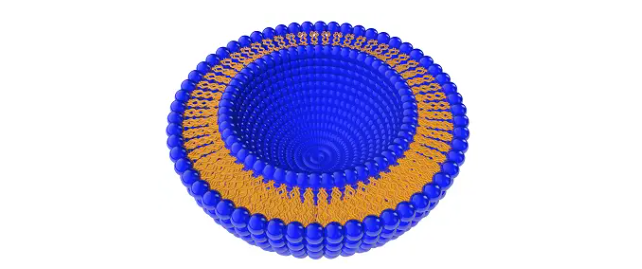
Phospholipid bilayer vesicle — the PURISOME® nano-liposome platform

PuriPharm Co., Ltd.NanoActive™ · PURISOME®

01 · POSITIONING

From botanical extract to precision active platform

NanoActive RosUrsol™ is not an ordinary rosemary extract — it is a standardized botanical active delivery platform.

Rosemary (Mediterranean botanical) → Standardized actives (ursolic acid + carnosic acid) → NanoActive™ (water-compatible platform)

Conventional rosemary extract

· Composition may vary from batch to batch

· Limited standardization of active constituents

· Lipophilic actives poorly compatible with water-based formulas

· Positioning dominated by the botanical story

· Performance strongly dependent on extraction process and base

NanoActive RosUrsol™ rosemary nano-liposomes

· Enriched with defined, high-value phytochemicals

· High-purity ursolic acid + carnosic acid actives

· Water-compatible delivery concept

· Advanced lipid carrier technology

· Cosmetic and food application potential

· Science-driven positioning

The name RosUrsol™ — Ros (rosemary) + Ursol (ursolic acid) — stands for a standardized rosemary-derived platform built on high-value lipophilic phytochemicals, with carnosic acid as the complementary active axis.

01 · POSITIONING

RosUrsol™ at a glance

Four pillars define the platform — chemistry, delivery, biology and application breadth.

Dual botanical actives

Enriched with high-purity ursolic acid and carnosic acid — two chemically defined lipophilic rosemary phytochemicals.

Water compatibility

A water-dispersible delivery form designed for modern water-rich formulation systems.

Multi-pathway biology

Complementary mechanisms spanning skin tone, photo-stress, barrier, inflammation and neuro-skin biology.

Cosmetics + food

The same rosemary-derived defense chemistry serving skin care, scalp care and food-lipid protection.

PRODUCT IDENTITY

Product — NanoActive RosUrsol™ rosemary nano-liposomes · INCI — rosemary extract (ROSEMARY EXTRACT)

Active platform — a standardized rosemary-derived fraction enriched with high-purity ursolic acid and carnosic acid

Technology — powered by PURISOME® FlexVes™ liposome technology

02 · PHYTOCHEMISTRY

Rosemary — a phytochemical platform

RosUrsol™ focuses on the high-value lipophilic active space of the rosemary leaf.

Rosmarinus officinalis L. (Salvia rosmarinus), Lamiaceae — a chemically rich Mediterranean botanical.

NanoActive RosUrsol™ focuses on the lipophilic fraction — ursolic acid + carnosic acid.

Molecule Class Formula MW Solubility
Ursolic acid Pentacyclic triterpene C30H48O3 456.7 Oil-soluble
Carnosic acid Phenolic diterpene C20H28O4 332.4 Oil-soluble
Carnosol Phenolic diterpene C20H26O4 330.4 Oil-soluble
Rosmarinic acid Phenolic acid C18H16O8 360.3 Water-soluble
Related phenolics Polar fraction — — Water-soluble

Lipophilic fraction — the RosUrsol™ space · Polar fraction — outside this platform’s scope

Molecular data sources — PubChem (CID 64945, 65126) and published rosemary active specifications. Ursolic acid, carnosic acid, carnosol and rosmarinic acid are chemically distinct molecules.

02 · PHYTOCHEMISTRY

Two signature molecules

Defined chemistry first — the foundation of standardization.

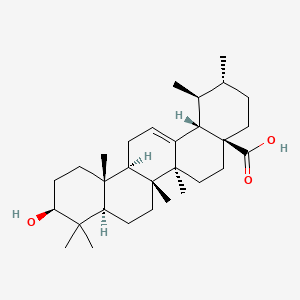
URSOLIC ACID

Pentacyclic triterpene

C30H48O3 · MW 456.7 · XlogP 7.3

CAS 77-52-1

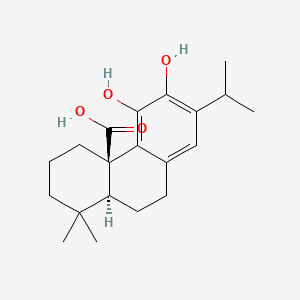
CARNOSIC ACID

Phenolic diterpene

C20H28O4 · MW 332.4 · XlogP 4.9

CAS 3650-09-7

Both are strongly lipophilic — delivery engineering is at the core of this platform.

Structures from PubChem (CID 64945, 65126). Formulas and molecular weights verified against public specifications.

03 · DUAL-ACTIVE SCIENCE

Two signature botanical actives, complementary biology

Each molecule covers different research territories; together they span skin defense, tone and structure.

URSOLIC ACIDpentacyclic triterpene — research areas

· Melanophagy — melanosome clearance · biology of pigmentation · cellular stress response· skin barrier / lipid biology · ECM homeostasis · inflammatory balance

NanoActive RosUrsol™an integrated botanical defense platform

CARNOSIC ACIDphenolic diterpene — research areas

· Antioxidant defense / ROS modulation · Nrf2 cellular defense · photoaging / MMP regulation· inflammatory signaling · TRPA1 / neuro-skin biology · lipid oxidation protection

04 · URSOLIC ACID

Beyond melanin synthesis: supporting melanosome clearance

Published research points to a second axis of skin-tone biology — degradation, not only production.

Evidence level 2 · primary research — ursolic acid, in vitro

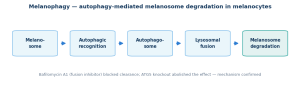
In α-MSH-stimulated B16F1 melanocytes, ursolic acid (5–10 µM) activated autophagy, promoted melanosome degradation and reduced melanin content.

Bafilomycin A1, an autophagosome–lysosome fusion inhibitor, blocked melanosome clearance; knockout of the autophagy gene ATG5 abolished the anti-pigment effect — establishing melanophagy as the mechanism.

Park HJ et al. Biochem Biophys Res Commun. 2020;531(2):209–214. PMID 32792197.

04 · URSOLIC ACID

From mechanism to visible skin tone

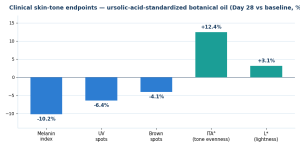
Human evidence from an ursolic-acid-rich botanical system supports the relevance of ursolic-acid biology to skin tone.

Axis 1 — production

Melanogenesis regulation — tyrosinase and melanogenic regulators (TYRP-1, TYRP-2, MITF), demonstrated for ursolic-acid-rich systems in melanocyte models.

Axis 2 — clearance

Melanosome clearance — ursolic acid promotes melanosome autophagy (melanophagy) in B16F1 melanocytes (Park HJ et al. 2020).

Dual-axis tone management — production and clearance together tell a more complete skin-tone science story.

Annurca apple oil extract (AAO), standardized to 784 µg/mL ursolic acid; 2.5% formulation, randomized double-blind placebo-controlled trial, n = 42, 28 days; all endpoints p < 0.001 vs placebo. Maisto M et al. Sci Rep. 2025. PMID 41387498.

04 · URSOLIC ACID

Skin resilience: barrier lipids and ECM homeostasis

Ursolic-acid biology reaches beyond tone — into epidermal lipids and matrix balance.

Barrier and epidermal lipid biology

· Topical ursolic acid accelerated epidermal permeability-barrier recovery (>20% vs control at 6 h) and induced keratinocyte differentiation via PPAR-α — hairless-mouse and HaCaT models (Ahn SK et al. 2007, PMID 17727365).

· Liposome-encapsulated ursolic acid increased ceramides in cultured human keratinocytes and human skin, and collagen in dermal fibroblasts (Both DM et al. 2000, DOI 10.1159/000053280).

A liposomal precedent: the ceramide/collagen evidence above was generated with a liposomal ursolic-acid format — directly relevant to the PURISOME® delivery concept.

ECM homeostasis — not a “collagen booster”

Healthy ECM = synthesis ↔ organization ↔ remodeling. Published evidence suggests context-dependent regulation of extracellular-matrix biology. RosUrsol™ therefore uses balanced language:

· ECM homeostasis · matrix protection · healthy matrix turnover · firmer appearance

Sweeping claims such as “ursolic acid always increases collagen” are deliberately avoided — matrix biology is context-dependent.

Evidence level 2 — primary ursolic-acid research (in vitro / animal / human-skin ceramide assessment).

05 · CARNOSIC ACID

Where direct antioxidant chemistry meets cellular defense

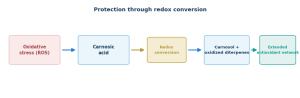
Carnosic acid is not just “a strong antioxidant” — it defends on two complementary levels.

Level 1 — direct defense

· Reacts directly with ROS and free radicals

· Lipid-phase antioxidant chemistry — protection where oxidation begins

· Readily oxidized itself: a chemical quencher consumed in defense

Level 2 — biological defense

· Redox-sensitive cell signaling (Keap1–Nrf2–ARE)

· Activates endogenous defense enzymes

· Protection continues through its oxidized derivatives

Evidence level 2 — primary carnosic-acid research

Loussouarn M et al. Plant Physiology. 2017. PMID 28916593: when lipids are oxidized by ROS, carnosic acid is consumed and oxidized into derivatives including carnosol; EPR confirmed that carnosic acid — not carnosol — quenches ROS, while carnosol inhibits lipid peroxidation within the lipid phase. Carnosic acid does not remain chemically unchanged while acting as an antioxidant.

05 · CARNOSIC ACID

Helping cells build their own defense

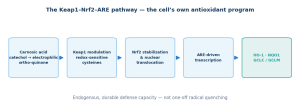
The Keap1–Nrf2–ARE pathway — the cell’s own antioxidant program, switched on by redox-activated carnosic acid.

What it means for skin

· Nrf2 is the master regulator of the cellular antioxidant response

· Activation brings endogenous, durable defense capacity — not one-off radical quenching

· Supports photo-stress defense, skin resilience and healthy-aging positioning

Evidence discipline

· Keap1–Nrf2 activation by carnosic acid is established in experimental cell and neuronal models (Satoh T et al. J Neurochem. 2008)

· Confirming skin relevance in fibroblasts and keratinocytes is a priority of the RosUrsol™ research program

Evidence level 2/4 — pathway literature; neuronal Nrf2 data are not presented as human-skin clinical evidence. Pathway diagram redrawn.

05 · CARNOSIC ACID

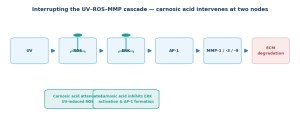
Interrupting the UV–ROS–MMP cascade

Photoaging is a signaling cascade — carnosic acid intervenes at two defined nodes.

What human skin-cell studies show

· Carnosic acid significantly and concentration-dependently inhibited UVA- and UVB-induced MMP-1, MMP-3 and MMP-9 expression in human dermal fibroblasts (Hs68)

· UVB-induced ROS generation was attenuated; ERK activation and AP-1 formation were suppressed

· EGFR activation was unaffected — suggesting selectivity within the upstream cascade

· UVB-enhanced GADD45 expression (a marker of oxidative DNA damage) was significantly reduced

Park M et al. Exp Dermatol. 2013;22(5):336–341. DOI 10.1111/exd.12138. PMID 23614740. Cascade diagram redrawn; evidence level 2 — human skin-cell research.

05 · CARNOSIC ACID

The evidence in human skin cells

Park M et al. 2013 — the key dataset behind the carnosic-acid anti-photoaging story.

Study design

· Compound — carnosic acid (rosemary phenolic diterpene)

· Models — Hs68 dermal fibroblasts; primary normal human dermal fibroblasts; normal human epidermal keratinocytes

· Stimulus — UVA / UVB irradiation

· Readouts — Western blot, qRT-PCR, enzyme-activity assays

Key findings

· MMP inhibition — concentration-dependent inhibition of UV-induced MMP-1, MMP-3, MMP-9

· Signal blockade — suppressed UVB-induced ERK activation and AP-1 formation

· ROS attenuation — reduced UVB-induced ROS generation; EGFR unaffected

· DNA-damage marker — UVB-enhanced GADD45 significantly reduced

· Cross-model confirmation — fibroblast line, primary fibroblasts and keratinocytes

Park M et al. Exp Dermatol. 2013;22(5):336–341. DOI 10.1111/exd.12138. PMID 23614740. Evidence level 2 — human skin-cell research; not finished-product data for NanoActive RosUrsol™.

05 · CARNOSIC ACID

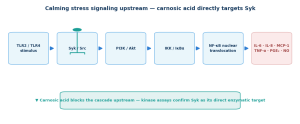
Calming stress signals upstream

Carnosic acid acts on the signaling chain that drives inflammatory mediators — not merely at the downstream end.

Validated in skin-relevant models

· HaCaT keratinocytes — inhibited IL-6, IL-8 and MCP-1 under SLS / retinoic-acid stimulation

· RAW264.7 macrophages — blocked NO, TNF-α and PGE₂ release upon TLR2 / TLR4 activation

Positioning territories

· Environmentally stressed skin · inflammaging & skin resilience · sensitive-skin positioning · scalp stress & the follicular environment

Oh J et al. Mediators Inflamm. 2012;2012:781375. DOI 10.1155/2012/781375. PMID 22577255. Pathway diagram redrawn; evidence level 2. Cosmetic concept only — no disease-treatment claims.

05 · CARNOSIC ACID

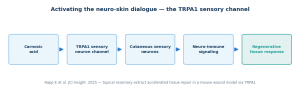
Activating the neuro-skin dialogue

A 2025 discovery links carnosic acid to TRPA1, a cutaneous sensory-neuron channel — a forward-looking science story.

Experimental findings

· Topical rosemary extract accelerated wound closure and reduced fibrosis in an adult mouse wound model

· Carnosic acid was identified as the key active acting via TRPA1

· Mice lacking TRPA1 in sensory neurons lost the pro-regenerative response

Translation into cosmetic language

· skin regenerative biology · neuro-skin communication · skin recovery & resilience · tissue-renewal biology

Rapp E et al. JCI Insight. 2025:e196267. DOI 10.1172/jci.insight.196267. PMID 41129748.

05 · CARNOSIC ACID

2025 regenerative biology: the spotlight study

Rapp E et al., JCI Insight 2025 — how a topical rosemary extract talks to sensory neurons.

01A screen pinpointed the signal

Among multiple botanical extracts, rosemary specifically activated the TRPA1 ion channel — the channel behind the regenerative response in the mouse ear-wound model.

02Carnosic acid is the key active

Carnosic acid — the principal bioactive of rosemary leaf — acts as a TRPA1 agonist on cutaneous sensory neurons, connecting phytochemistry to neuro-skin signaling.

03TRPA1 dependence confirmed

Mice lacking TRPA1 in sensory neurons showed no rosemary-induced regenerative response — mechanistic specificity, not a generic botanical effect.

What it means for ROSURSOL™

· One defined molecule — carnosic acid — carries the activity, supporting the “standardized active” positioning

· Opens a credible neuro-skin and skin-recovery narrative for premium skin and scalp care

· Shows how fast rosemary science is advancing — and why defined actives matter

Claims discipline.These are experimental mouse findings. RosUrsol™ communication language is regenerative biology, recovery and resilience — never wound or scar treatment.

06 · INTEGRATED SKIN BIOLOGY

One platform, multi-pathway defense

The integrated biology map — two molecules, complementary territories, shared outcomes.

Ursolic acid

Melanophagy · barrier lipids · ECM homeostasis · inflammatory balance

NanoActive RosUrsol™

Carnosic acid

Nrf2 defense · UV–MMP protection · inflammatory signaling · TRPA1 biology

SHARED OUTCOME TERRITORIES

Skin resilience · even skin tone · photo-stress defense · healthy aging · skin recovery

07 · DELIVERY ENGINEERING

Powerful actives, inconvenient physics

Ursolic acid and carnosic acid are both strongly lipophilic — excellent chemistry, inconvenient formulation behavior.

7.3XlogP — ursolic acid · strongly lipophilic triterpene

4.9XlogP — carnosic acid · lipophilic phenolic diterpene

The conventional challenges

High-value lipophilic phytochemicals↓ poor water compatibility↓ limited formulation versatility↓ difficult dispersion↓ crystallization / precipitation risk↓ hard to use in clear or water-rich systems

The formulation paradox: the very property that makes these molecules powerful — lipid affinity — keeps them out of the water-rich systems that dominate modern skin care and food innovation.

07 · DELIVERY ENGINEERING

Turning lipophilic botanical actives into a water-compatible platform

The NanoActive™ answer: change how the active behaves in a formula through delivery engineering.

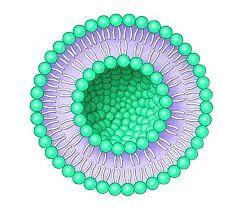
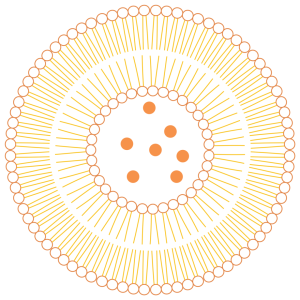
Concept schematic — a lipophilic active carried within a phospholipid bilayer vesicle.

Advanced delivery engineering → water-compatible dispersion platform → expanded formulation possibilities

· The active resides in a lipid-compatible vesicular environment

· Disperses uniformly in water-rich and multiphase systems

· Protects oxidation- and degradation-prone molecules

· Compatible with serums, lotions, emulsions and scalp formats

07 · DELIVERY ENGINEERING

PURISOME® FlexVes™ liposome technology

PuriPharm’s proprietary advanced nano-liposome platform — the technical core of every NanoActive™ product.

Phospholipid bilayer vesicle encapsulating lipophilic actives (schematic).

Built on more than a decade of nano-delivery R&D and industrialization experience, PURISOME® encapsulates actives in skin-affine phospholipid bilayer vesicles — delivering four core values.

1 · Protection shields oxidation- and degradation-prone actives; supports shelf-life stability.

2 · Delivery enhances stratum-corneum penetration and bioavailability.

3 · Sustained release controlled, sustained release that reduces irritation potential.

4 · Formulation compatibility improves formulation versatility and sensory performance.

07 · DELIVERY ENGINEERING

Designed for the skin interface

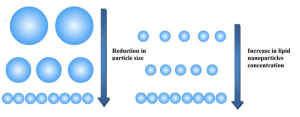
Nano-scale carriers interact with skin differently — particle size, surface film and lipid affinity all play a role.

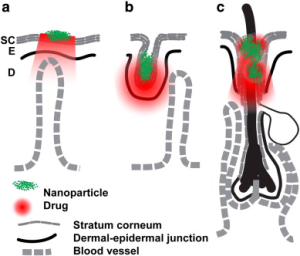
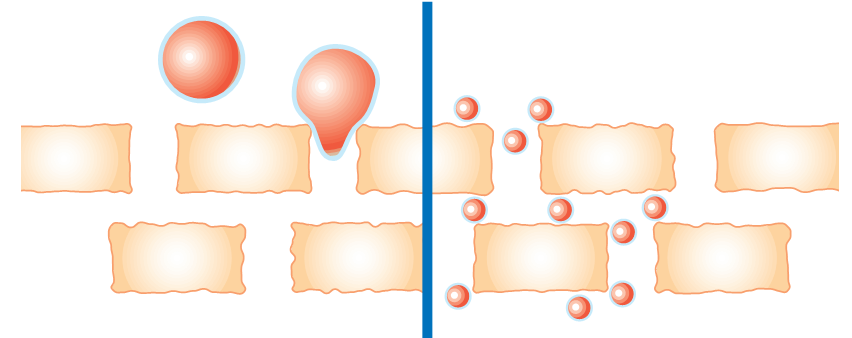
Skin cross-sections — smaller carrier systems distribute deeper into skin (concept schematic, carrier literature).

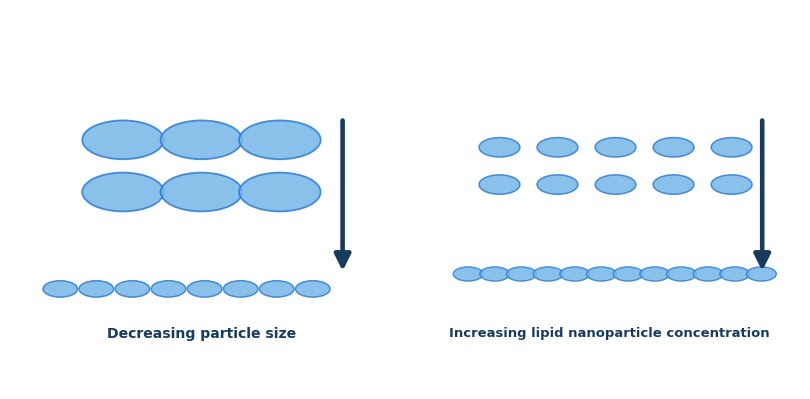
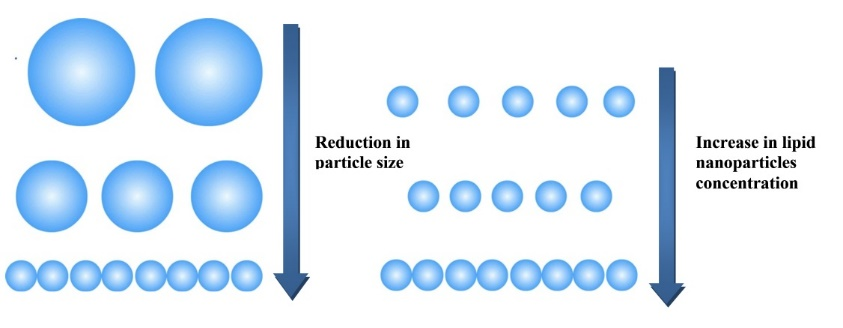
Reducing particle size increases effective nanocarrier concentration and surface contact (concept schematic).

· Lipid affinity — phospholipid vesicles are structurally compatible with the skin’s own lipid architecture

· Flexible vesicles — FlexVes™ vesicles are designed to interact with the stratum-corneum interface

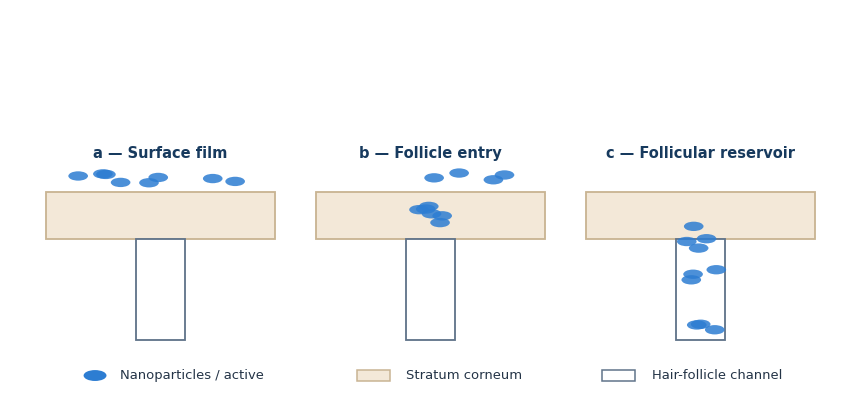
· Surface film & reservoir — nanocarriers can deposit on the surface to form reservoirs, supporting sustained availability

· Protection in transit — encapsulation shields oxidation-prone carnosic acid until application

Conceptual delivery-system schematics (evidence level 4 — carrier literature).

08 · COSMETIC APPLICATIONS

Scalp and follicle care

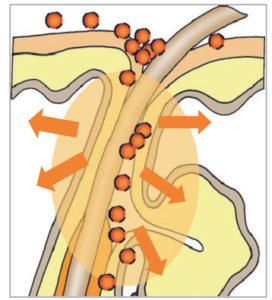
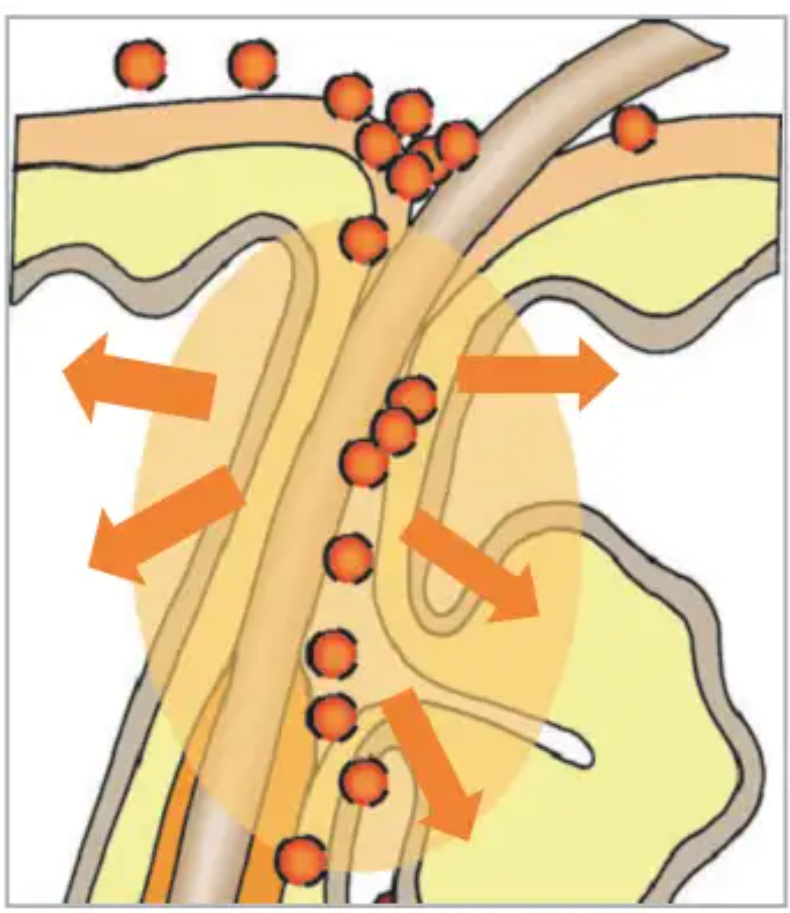
The follicular unit offers topical carrier systems a unique pathway — and a reservoir.

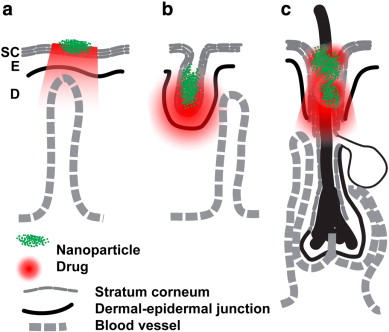
Nanoparticle deposition along the follicular pathway

The follicular unit as a delivery reservoir

Concept schematics — PuriPharm technical library.

The scalp stress environment

· Scalp oxidative stress and UV exposure

· Sebum-lipid oxidation at follicular openings

· Inflammatory stress in the follicular microenvironment

· Delivering lipophilic phytochemicals to where they are truly needed

NanoActive RosUrsol™ — a dual-active antioxidant and resilience platform for premium scalp care.

Scalp-vitality positioning; no hair-growth or hair-loss treatment claims.

08 · COSMETIC APPLICATIONS

Cosmetic application territories

One active platform, four formulation territories — all compatible with modern water-rich formats.

Skin tone & clarity

· tone-evening serums · post-blemish mark care · brightening serums · dull-skin care

Photoaging & anti-aging

· antioxidant serums · daily environmental-defense serums · anti-photoaging creams · overnight repair serums · mature-skin care

Barrier & resilience

· barrier-support serums · stressed-skin care · lipid-repair creams · sensitive-skin formulas

Scalp care

· scalp antioxidant serums · scalp anti-aging serums · follicular-environment care · oil-control / oxidative-stress scalp formats

Application territories are based on the published ursolic-acid / carnosic-acid evidence base and PURISOME® delivery logic.

09 · FOOD SCIENCE

From skin lipids to food lipids

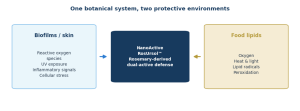
One botanical system, two protective environments.

09 · FOOD SCIENCE

Lipid oxidation: the cascade that spoils food

Understanding the free-radical chain is the basis of every antioxidant strategy.

1 · InitiationLH → L•

Heat, light or trace metals abstract hydrogen from unsaturated lipids.

2 · PropagationL• + O₂ → LOO• · LOO• + LH → LOOH + L•

A self-propagating free-radical chain.

3 · DecompositionLOOH → aldehydes · ketones

Volatile oxidation products form.

Consequences

Rancidity · off-odors · aroma deterioration · color instability · loss of polyunsaturated fatty acids · nutritional degradation

Rosemary diterpenes are lipid-phase defense molecules — they act where the cascade begins: inside the lipid matrix.

09 · FOOD SCIENCE

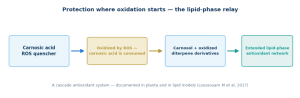
Protection where oxidation begins — the lipid phase

Carnosic acid is the first-line quencher; its oxidized derivatives extend the defense network.

Mechanistic basis

· Carnosic acid scavenges singlet oxygen and free radicals, and is oxidized into derivatives including carnosol

· Carnosol acts directly in the lipid phase, inhibiting peroxidation and stabilizing membrane structures

· This relay broadens the action spectrum — a cascade antioxidant system documented in planta and in lipid models

Relevance to food systems

· Free-radical quenching chemistry in the lipid phase

· Protects unsaturated fatty acids and oxidation-sensitive lipid systems

· Conversion into antioxidant-relevant derivatives extends protection over time

· Rosemary antioxidant diterpenes are compositional markers of food-grade rosemary extract

Loussouarn M et al. Plant Physiology. 2017. PMID 28916593. Evidence level 2/3 — primary rosemary-diterpene research. Mechanism diagram redrawn.

09 · FOOD SCIENCE

The food application space

At the heart of the food story is oxidative stability — flavor, color, nutritional quality and shelf-life support.

Edible oils & fats

· PUFA-rich oils · specialty oils · blended oils · functional lipids

Meat & savory products

· meat products · processed meats · emulsified meat systems · fat-containing savory foods

Bakery & fats

· bakery fats · fillings · nut-based systems · fat-containing snacks

Nutritional products

· lipid-based nutritional products · functional food formulations · oxidation-sensitive nutritional systems

Regulatory context — rosemary extract

Rosemary extract has an established regulatory heritage as a food antioxidant — E392 (extracts of rosemary) in the EU, with carnosic acid and carnosol as its key compositional markers. That heritage applies to the rosemary-extract category; the specific regulatory status of NanoActive RosUrsol™ — botanical source, process, carrier system, nano character, target food categories and labeling — must be verified jurisdiction by jurisdiction. No automatic equivalence to E392 is claimed.

09 · FOOD SCIENCE

Water-compatible formats open new matrix space

An R&D platform opportunity — to be validated matrix by matrix, jurisdiction by jurisdiction.

The conventional limitation

Lipophilic rosemary antioxidants excel in lipid phases — but are difficult to introduce uniformly into water-rich or multiphase systems.

The ROSURSOL™ opportunity space

· Emulsions and nutritional emulsions

· Sauces and aqueous premixes

· Multiphase food matrices

· Beverages — where technology and regulation permit

10 · SUMMARY

Why NanoActive RosUrsol™

Five essentials — and one claims architecture spanning cosmetics and food.

01 Standardized rosemary phytochemistry — not a variable generic botanical extract

02 Ursolic acid + carnosic acid — two defined, high-value actives

03 Complementary biological defense — multi-pathway coverage without synergy inflation

04 A water-compatible delivery platform — PURISOME® FlexVes™ liposome technology

05 Cosmetic + food innovation potential — one chemistry, two industries

THE CLAIMS ARCHITECTURE — DUAL BOTANICAL ACTIVES, MULTI-SYSTEM PROTECTION

Cosmetic science antioxidant defense · photo-stress protection · skin resilience · even skin tone · ECM homeostasis · skin regenerative biology · scalp defense

Food science lipid protection · oxidative stability · quality preservation · flavor protection · color stability · PUFA protection · shelf-life support

NanoActive RosUrsol™ rosemary nano-liposomes · PURISOME® FlexVes™ liposome technologyPuriPharm Co., Ltd. · www.puriactives.com

10 · SUMMARY · REFERENCES

References

1 · Park HJ et al. Ursolic acid inhibits pigmentation by increasing melanosomal autophagy in B16F1 cells. Biochem Biophys Res Commun. 2020;531(2):209–214. DOI 10.1016/j.bbrc.2020.07.125 · PMID 32792197

2 · Maisto M et al. Apple oil as a source of ursolic acid for the treatment of hyperpigmentary disorders with molecular and clinical evaluation. Sci Rep. 2025. PMID 41387498

3 · Ahn SK et al. Simultaneous effect of ursolic acid and oleanolic acid on epidermal permeability barrier function and epidermal keratinocyte differentiation via PPAR-α. J Dermatol. 2007. PMID 17727365

4 · Both DM, Goodtzova K, Yarosh DB, Brown DA. Liposome-encapsulated ursolic acid increases ceramides and collagen in human skin cells. Horm Res. 2000;54(5–6):318–321. DOI 10.1159/000053280

5 · Loussouarn M et al. Carnosic acid and carnosol, two major antioxidants of rosemary, act through different mechanisms. Plant Physiology. 2017. PMID 28916593

6 · Park M et al. Carnosic acid, a phenolic diterpene from rosemary, prevents UV-induced expression of matrix metalloproteinases in human skin fibroblasts and keratinocytes. Exp Dermatol. 2013;22(5):336–341. DOI 10.1111/exd.12138 · PMID 23614740

7 · Oh J et al. Syk/Src pathway-targeted inhibition of skin inflammatory responses by carnosic acid. Mediators Inflamm. 2012;2012:781375. DOI 10.1155/2012/781375 · PMID 22577255

8 · Rapp E et al. Carnosic acid in topical rosemary extract enhances skin repair via TRPA1 activation. JCI Insight. 2025:e196267. DOI 10.1172/jci.insight.196267 · PMID 41129748

9 · Satoh T et al. Carnosic acid activates the Keap1/Nrf2 pathway via S-alkylation of targeted cysteines on Keap1. J Neurochem. 2008.

10 · Commission Regulation (EU) No 231/2012 — specifications for food additives; E392 extracts of rosemary.

Image credits — vesicle schematics, skin cross-sections and follicular schematics, molecular structures — PuriPharm technical library (company archive); structure data from PubChem.

NanoActive OleoNia™

01 · THE STARTING POINT

The niacinamide paradox

Powerful biology — yet inseparable from the water phase.

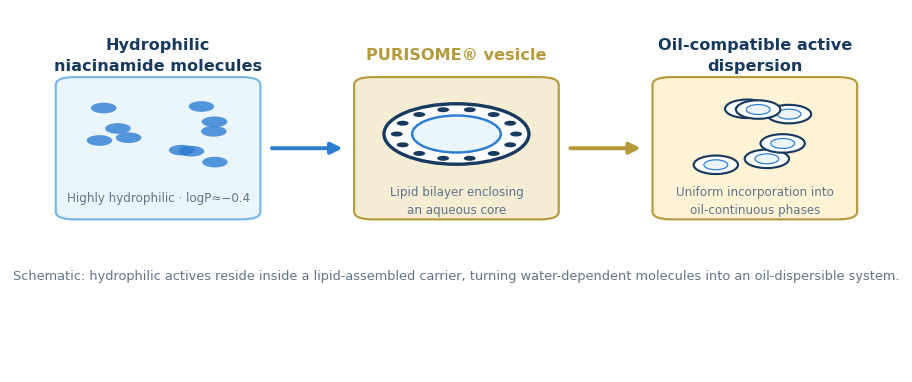
Niacinamide — the amide form of vitamin B3 — is one of the best-documented multifunctional cosmetic actives, driving epidermal energy metabolism as a precursor of the NAD+/NADP+ coenzymes. Its physicochemical nature, however, makes it extremely hydrophilic:

· Readily soluble in water, almost insoluble in non-polar oils (logP≈−0.4)

· No molecular affinity for lipid phases — whenever water is present, it partitions into the water phase

· Once deprived of an aqueous environment, it re-crystallizes

· Traditional formulas must therefore carry a water phase or solubilizers

Physicochemical data: PubChem CID 936 (Niacinamide).

Formats that conventional niacinamide struggles to enter

Facial oil serums & oil essences · Anhydrous concentrates & balms · Lipid-rich barrier-repair formulas · Oil-continuous emulsions · Functional cleansing oils · Premium scalp & hair oils

The limitation is not biological — it is a delivery-engineering problem.

02 · MARKET CONTEXT

The rise of active oil-based beauty

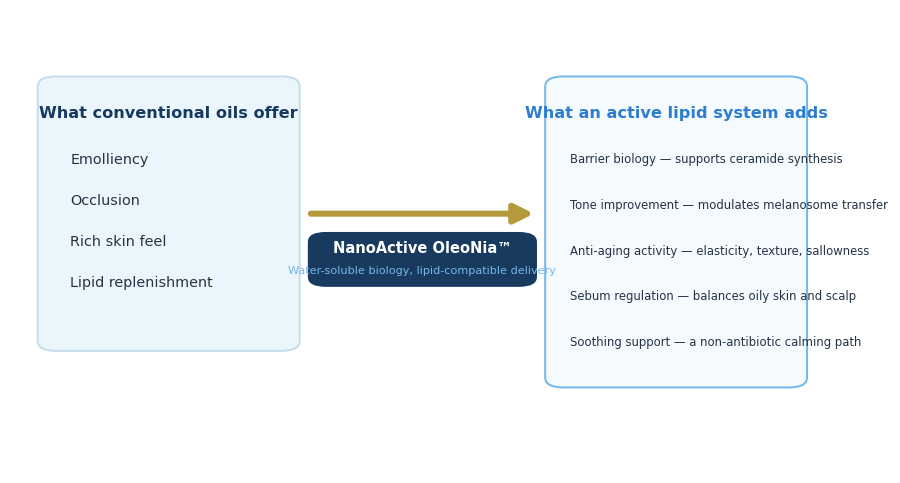
Oil-based skincare is moving beyond simple emollience and occlusion. Barrier science, anhydrous formats and the “skinification” of scalp care are redefining what lipid-based products are expected to deliver.

01Barrier-first skincare — lipid replenishment becomes a core claim

02The facial-oil renaissance — from finishing step to efficacy step

03Scalp & hair “skinification” — facial-grade actives move to the scalp

04Anhydrous formulation — concentrated, minimalist architectures

05Premium sensorial textures — lipid richness as a signifier of efficacy

THE EMERGING PRODUCT ARCHITECTURE

Lipid base + functional actives + advanced delivery technology

A new generation of oil-based skin, scalp and hair care.

The long-missing link — a water-soluble active that can work in the oil phase.

PURIPHARM · PRODUCT LAUNCH

A water-soluble active — new possibilities in the oil phase.

NanoActive OleoNia™

An oil-compatible niacinamide delivery system: through a lipid-associated form, it re-engineers how a classic water-soluble active exists — allowing facial oil serums, anhydrous concentrates, balms and oil-rich scalp care to carry niacinamide biology for the first time.

Nano-lipid vesicle structure — the delivery core of NanoActive OleoNia™.

INCI name Niacinamide

Technology platform PURISOME® FlexVes™ liposome technology
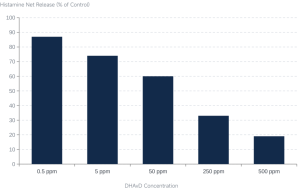
Product line NanoActive™

03 · THE TECHNOLOGY

From water-soluble to oil-compatible

Constraints of the conventional route

· Hydrophilic molecules dissolve only where a water phase exists

· In anhydrous oils they persist as undissolved crystalline solid

· Phase separation and uneven distribution follow

· No inherent affinity for the lipid environment of skin or formula

The OLEONIA™ approach

· Skin-affine phospholipids build an amphiphilic vesicle structure

· The hydrophilic active is compartmentalized inside the vesicle core

· A lipid-compatible outer interface allows dispersion in the oil phase

· Uniform incorporation in oil-continuous systems

Schematic: the hydrophilic active resides inside a lipid-assembled carrier, turning a water-dependent molecule into an oil-dispersible system.

03 · THE TECHNOLOGY

Vesicle architecture — PURISOME® FlexVes™ technology

Phospholipid bilayer vesicle (aqueous core) · schematic. Image: PuriPharm technical library.

1. Amphiphilic bilayer membrane.Skin-affine phospholipids self-assemble into a closed bilayer, following the same organizing principle as epidermal barrier lipids.

2. Active compartmentalization.Hydrophilic niacinamide is located in the vesicle core — physically separated from the surrounding oil-continuous phase.

3. Lipid-compatible outer interface.The outer membrane presents a non-polar surface, letting the carrier disperse uniformly in oils and lipid-rich bases.

4. Flexible-vesicle engineering.The FlexVes™ membrane design optimizes vesicle deformability and stratum-corneum affinity — properties the literature links to enhanced skin deposition.

FOUR PLATFORM FUNCTIONS

Active protection → enhanced skin deposition → sustained availability → formula & sensory compatibility

Honeywell-Nguyen PL, Bouwstra JA. Drug Discov Today Technol. 2005;2(1):67–74. · Bouwstra JA, Honeywell-Nguyen PL. Adv Drug Deliv Rev. 2002;54(Suppl 1):S41–S55.

03 · THE TECHNOLOGY

Core technical benefits — three pillars

01Expanded formulation freedom

· Facial oil serums, oil essences and lipid concentrates

· Anhydrous balms and active concentrates

· Oil-continuous and lipid-rich emulsions

· Premium oil-based scalp and hair formats

02Enhanced delivery potential

· Vesicle lipids show affinity for stratum-corneum lipid domains

· Supports active deposition and local retention

· The follicular pathway offers a sustained-release reservoir

03Improved active stability

· Compartmentalization isolates the active from the continuous phase

· Less direct contact with reactive co-ingredients

· Uniform distribution — no crystallization in low-water systems

Delivery and stability advantages are based on published vesicle science (platform-level evidence). This presentation claims no product-specific performance data; NanoActive OleoNia™ experimental data are provided in the product’s technical documentation.

03 · THE TECHNOLOGY

Expanded formulation freedom

Formats once impractical for water-soluble niacinamide become routine formulation choices.

Format Conventional niacinamide NanoActive OleoNia™
Facial oil serums & oil essences Insoluble; re-crystallizes in the oil phase Oil-dispersible active system, uniformly incorporated
Anhydrous concentrates & balms No water phase to dissolve the active Stably compartmentalized in the lipid base
Oil-continuous & lipid-rich emulsions Confined to a minimal inner water phase Positioned within the formula’s lipid domains
Functional cleansing oils Incompatible with anhydrous rinse-off bases Gives cleansing oils an efficacy positioning
Scalp & hair oils Aqueous actives incompatible with oil carriers Oil-based delivery to the scalp and follicular environment

Formulation statements describe the platform’s delivery principle; dosage and processing guidance are given in the product’s technical documentation.

04 · ACTIVE BIOLOGY

Niacinamide biology — one molecule, five pathways

Niacinamide — precursor of the NAD+/NADP+ coenzymes — the “metabolic currency” driving epidermal energy production, repair and differentiation.

Skin barrier — promotes ceramide and stratum-corneum lipid biosynthesis; reduces transepidermal water loss.

Tanno et al. Br J Dermatol. 2000 · Soma et al. Int J Dermatol. 2005

Skin tone & pigmentation — acts downstream of tyrosinase, inhibiting melanosome transfer from melanocytes to keratinocytes.

Hakozaki et al. Br J Dermatol. 2002

Skin aging — supports cellular energy metabolism; improves elasticity, fine lines and sallowness in clinical testing.

Bissett et al. Dermatol Surg. 2005

Sebum & pores — reduces facial sebum production; improves oily skin and pore appearance.

Draelos et al. J Cosmet Laser Ther. 2006

Inflammation — non-antibiotic anti-inflammatory activity; soothes visible redness and erythema.

Shalita et al. Int J Dermatol. 1995 · Bissett et al. 2004

Mechanistic reviews: Wohlrab J, Kreft D. Skin Pharmacol Physiol. 2014;27(6):311–315. · Boo YC. Antioxidants. 2021;10(8):1315.

04 · ACTIVE BIOLOGY

Skin barrier — rebuilding the lipid “mortar”

As an NAD+/NADP+ precursor, niacinamide powers keratinocyte energy metabolism and epidermal differentiation — the engine of barrier-lipid synthesis.

Ceramide biosynthesis.Niacinamide promotes de novo synthesis of ceramides and other stratum-corneum lipids in human keratinocytes, improving epidermal permeability-barrier function.

Less water loss.Topical 2% niacinamide reduced transepidermal water loss (TEWL) in atopic dry skin, outperforming a white-petrolatum control.

Delivery synergy.The lipid carrier echoes the barrier’s own chemistry — ceramides, free fatty acids and cholesterol arranged in lamellae.

Tanno O et al. Br J Dermatol. 2000;143(3):524–531. · Soma Y et al. Int J Dermatol. 2005;44(3):197–202. · Brick-and-mortar schematic: PuriPharm.

An active that builds barrier lipids — delivered in a carrier built from barrier-like lipids.

04 · ACTIVE BIOLOGY

Brightening — blocking melanosome transfer

A downstream mechanism.Niacinamide does not inhibit tyrosinase; it acts on pigment distribution — the transfer of melanosomes from melanocytes to keratinocytes. In melanocyte–keratinocyte co-culture models, melanosome transfer was inhibited by 35–68%.

Reversible and cell-safe.The inhibition is reversible and non-cytotoxic — physiological tone modulation, not melanocyte toxicity.

Clinically visible.After 4 weeks of use, hyperpigmentation was significantly reduced and skin brightness improved versus vehicle control.

Hakozaki T et al. Br J Dermatol. 2002;147(1):20–31. · Greatens A et al. Exp Dermatol. 2005;14(7):498–508.

Split-face randomized controlled trial in melasma (n = 27, 8 weeks)

Navarrete-Solís J et al. Dermatol Res Pract. 2011;2011:379173. Depigmenting efficacy comparable to hydroquinone, with fewer adverse effects.

Tone correction that respects melanocyte biology.

04 · ACTIVE BIOLOGY

Anti-aging — energy, elasticity, even tone

The key aging study

Design.Double-blind, left–right randomized split-face trial; 50 women with clinical signs of photoaging; 5% niacinamide versus vehicle, twice daily for 12 weeks; imaging and instrumental measurements every 4 weeks.

Mechanistic basis.NAD+/NADP+ coenzymes sustain cellular energy and repair; antioxidant defense counters the protein glycation linked to sallow tone; epidermal renewal is supported for refined texture.

Endpoints significantly improved

Fine lines & wrinkles · hyperpigmented spots · red blotchiness · skin sallowness · elasticity (cutometry)

All endpoints significant versus vehicle control.

Bissett DL et al. Dermatol Surg. 2005;31(Suppl 1):860–865. · Bissett DL et al. Int J Cosmet Sci. 2004;26(5):231–238.

One gentle active improving five signs of facial aging.

04 · ACTIVE BIOLOGY

Sebum, pores and acne-prone skin

Sebum regulation.2% niacinamide significantly lowered sebum excretion rate after 2–4 weeks (Japanese cohort) and reduced skin-surface sebum after 6 weeks (Caucasian cohort).

Pore appearance.Less sebum output means less follicular distension — the mechanical driver of enlarged pores.

Acne-prone skin.4% niacinamide gel showed anti-inflammatory efficacy comparable to 1% clindamycin gel in moderate inflammatory acne — without antibiotic-resistance concerns.

Draelos ZD et al. J Cosmet Laser Ther. 2006;8(2):96–101. · Shalita AR et al. Int J Dermatol. 1995;34(6):434–437.

Double-blind randomized controlled trial in inflammatory acne (n = 76, 8 weeks)

Shalita AR et al. Int J Dermatol. 1995;34(6):434–437. No statistically significant difference between groups — equivalent efficacy.

Oil control and soothing — without the antibiotic route.

04 · ACTIVE BIOLOGY

Soothing and skin resilience

Barrier improvement and anti-inflammatory activity converge here — niacinamide matters as much for reactive, redness-prone skin as for aging or oily skin.

Red blotchiness — after 12 weeks of topical 5% niacinamide, facial red blotchiness was significantly reduced.

Bissett et al. Dermatol Surg. 2005

Rosacea-prone skin — a niacinamide-containing facial moisturizer improved barrier function and clinical signs in these subjects.

Draelos et al. Cutis. 2005;76(2):135–141

Inflammatory-cell infiltrate — topical 4% niacinamide reduced mast-cell infiltrate and improved solar elastosis in melasma-skin histology.

Navarrete-Solís et al. Dermatol Res Pract. 2011

Stress signaling — mitigates environment-induced, senescence-associated inflammatory signaling in epidermal keratinocytes.

Bierman et al. Int J Cosmet Sci. 2020;42(5):501–511

Oxidative defense — supports endogenous antioxidant capacity via NADPH-linked redox pathways.

Boo YC. Antioxidants. 2021;10(8):1315

05 · CLINICAL EVIDENCE

Human clinical evidence for niacinamide

Study Design Dose & duration Key results
Bissett 2005 Split-face RCT, vehicle-controlled (n = 50) 5%, 12 weeks Fine lines, elasticity, spots, erythema and sallowness all improved
Bissett 2004 RCT, vehicle-controlled 5%, 12 weeks Yellowing, wrinkles, red blotchiness and spots reduced
Hakozaki 2002 Vehicle-controlled clinical + co-culture study 5%, 4–8 weeks Pigmentation reduced; skin brightness increased
Navarrete-Solís 2011 Split-face RCT in melasma (n = 27) 4% vs 4% hydroquinone, 8 weeks Comparable depigmentation; fewer adverse effects (18% vs 29%)
Draelos 2006 Two controlled cohorts (Japanese / Caucasian) 2%, 4–6 weeks Sebum excretion rate / surface sebum levels reduced
Shalita 1995 Double-blind RCT in inflammatory acne (n = 76) 4% gel vs 1% clindamycin, 8 weeks Comparable improvement; lesion count −60% vs −43%
Soma 2005 Controlled study, atopic dry skin 2%, 4–8 weeks TEWL reduced; barrier function improved

Full citations on the references page. RCT = randomized controlled trial; TEWL = transepidermal water loss.

06 · DELIVERY SCIENCE

Why lipid delivery matters

Skin cross-sections under confocal laser scanning microscopy: smaller lipid carriers (a → c) show progressively deeper skin distribution. Image: PuriPharm technical library.

A note on the evidence

This page presents platform-level vesicle literature — the delivery rationale behind the engineering of NanoActive OleoNia™, not product-specific measurements.

Vesicle–skin interaction — phospholipid vesicles adsorb onto and intermix with stratum-corneum lipid domains, promoting intimate carrier–skin contact.

Bouwstra JA, Honeywell-Nguyen PL. Adv Drug Deliv Rev. 2002;54(Suppl 1):S41–S55

Size determines depth — liposome particle size directly influences dermal delivery depth; smaller vesicles deposit their payload into deeper skin layers.

Verma DD et al. Int J Pharm. 2003;258(1–2):141–151

The follicular reservoir — particulate carriers preferentially accumulate in hair follicles, persisting far longer than on the skin surface and extending local availability.

Lademann J et al. Eur J Pharm Biopharm. 2007;66(2):159–164

Delivery engineering turns a soluble molecule into a depositable active.

06 · DELIVERY SCIENCE

Stability and formulation advantages

The fragility of free niacinamide

· Amide hydrolysis: converts to nicotinic acid under acidic pH and heat — causing transient flushing and stinging

· Direct, unprotected contact with reactive co-ingredients in the water phase

· Crystallization and local concentration gradients in low-water systems

The engineered response

· A compartmentalized core isolates the active from the continuous phase

· The lipid microenvironment buffers interfacial pH exposure at the molecular scale

· Uniform dispersion eliminates crystallization pathways

· A structural barrier against oxidation and interfacial stress during storage

The occlusive effect.Fine lipid carriers form a closely adherent film on the skin surface, reducing evaporative water loss and supporting stratum-corneum hydration — a further formulation-level delivery advantage. Image: PuriPharm technical library.

Gehring W. J Cosmet Dermatol. 2004;3(2):88–93. · Mechanistic review: Boo YC. Antioxidants. 2021;10(8):1315.

07 · FORMULATION CONCEPT

From “passive oils” to “active lipid systems”

08 · SCALP & HAIR

Scalp and hair — niacinamide beyond the face

Scalp is skin.Barrier-lipid synthesis, sebum dynamics and oxidative stress follow the same biology as facial skin — exactly what niacinamide targets.

Follicular targeting.Particulate carriers preferentially deposit in hair follicles and persist as long-lived reservoirs — a natural entry route for oil-based scalp products.

Follicle-cell evidence.In cultured human dermal papilla cells, niacinamide lowered oxidative-stress markers and down-regulated DKK-1, a signal associated with follicle regression (in vitro).

Honest evidence positioning.Facial benefits are clinically established; scalp-specific benefits are mechanistic and still emerging — a credible basis for “barrier-first” scalp care, not a hair-growth claim.

Size-dependent follicular deposition of particulate carriers

The follicular pathway to the perifollicular environment

Images — PuriPharm technical library.

Suitable formats

Scalp serum oils · pre-wash oil treatments · leave-on scalp essences · hair oils · conditioning concentrates · overnight scalp care

Lademann J et al. Eur J Pharm Biopharm. 2007;66(2):159–164. · Choi YH et al. Clin Cosmet Investig Dermatol. 2021;14:1519–1528.

09 · APPLICATION CONCEPTS

Formulation opportunities

Skin care

· Facial oil serums — the hero format: pure oil bases carrying niacinamide biology

· Oil serums / bi-phase serums — lipid essences with an efficacy positioning

· Anhydrous active concentrates — minimalist water-free architectures

· Nourishing balms & overnight lipid treatments — intensified barrier care

· Barrier-repair & rich anti-aging creams — lipid-rich emulsion systems

· Brightening oil serums — tone correction in premium sensory bases

· Eye-area lipid serums · functional cleansing oils — delicate-zone and rinse-off concepts

Scalp & hair

· Scalp serum oils — follicle-targeted, barrier-first scalp care

· Pre-wash oil treatments — a barrier primer before shampooing

· Leave-on scalp essences — sustained follicular contact

· Hair oils — shine products with a scalp-care positioning

· Anti-aging scalp concentrates — an oxidative-stress defense story

· Overnight scalp treatments — long-contact reservoir strategy

Concept-level positioning; dosage, processing and compatibility guidance are given in the product’s technical documentation.

10 · DIFFERENTIATION

Conventional niacinamide vs NanoActive OleoNia™

Dimension Conventional niacinamide NanoActive OleoNia™
Form in formula Dissolved only in the water phase Lipid-associated vesicular dispersion
Anhydrous suitability Unsuitable — re-crystallizes without water Designed for anhydrous systems
Oil compatibility Incompatible without solubilizers or emulsification Incorporates uniformly into the oil phase
Deposition behavior Surface delivery dependent on hydration Vesicle-supported deposition; follicular reservoir pathway
Stability strategy Relies on bulk-solution pH and temperature control Compartmental isolation shields the active from the base
Positioning Commodity water-phase active Premium delivery-system ingredient

Deposition and stability characteristics reflect platform-level vesicle-delivery literature, not product-specific comparative testing.

PURIPHARM · KEY TAKEAWAYS

A new formulation dimension for niacinamide

The technology spans

Niacinamide biology + lipid-based formulation + advanced delivery science

And thereby delivers

· Broader formulation freedom — oil serums, anhydrous concentrates, balms, oil-rich scalp care

· Greater delivery potential — vesicle–skin affinity, deposition, follicular reservoir

· Better formulation stability — compartmentalized, uniform, crystallization-free

· A new generation of oil-based skin and scalp care — from passive oils to active lipid systems

NanoActive OleoNia™ · PURISOME® FlexVes™ liposome technologyPuriPharm Co. Ltd. · www.puriactives.com

11 · REFERENCES

References

1. Tanno O, Ota Y, Kitamura N, Katsube T, Inoue S. Nicotinamide increases biosynthesis of ceramides as well as other stratum corneum lipids to improve the epidermal permeability barrier. Br J Dermatol. 2000;143(3):524–531.

2. Hakozaki T, et al. The effect of niacinamide on reducing cutaneous pigmentation and suppression of melanosome transfer. Br J Dermatol. 2002;147(1):20–31.

3. Greatens A, et al. Effective inhibition of melanosome transfer to keratinocytes by lectins and niacinamide is reversible. Exp Dermatol. 2005;14(7):498–508.

4. Bissett DL, Miyamoto K, Sun P, Li J, Berge CA. Topical niacinamide reduces yellowing, wrinkling, red blotchiness, and hyperpigmented spots in aging facial skin. Int J Cosmet Sci. 2004;26(5):231–238.

5. Bissett DL, Oblong JE, Berge CA. Niacinamide: a B vitamin that improves aging facial skin appearance. Dermatol Surg. 2005;31(Suppl 1):860–865.

6. Draelos ZD, Matsubara A, Smiles K. The effect of 2% niacinamide on facial sebum production. J Cosmet Laser Ther. 2006;8(2):96–101.

7. Shalita AR, Smith JG, Parish LC, Sofman MS, Chalker DK. Topical nicotinamide compared with clindamycin gel in the treatment of inflammatory acne vulgaris. Int J Dermatol. 1995;34(6):434–437.

8. Navarrete-Solís J, et al. A double-blind, randomized clinical trial of niacinamide 4% versus hydroquinone 4% in the treatment of melasma. Dermatol Res Pract. 2011;2011:379173.

9. Soma Y, et al. Moisturizing effects of topical nicotinamide on atopic dry skin. Int J Dermatol. 2005;44(3):197–202.

10. Draelos ZD, Ertel K, Berge C. Niacinamide-containing facial moisturizer improves skin barrier and benefits subjects with rosacea. Cutis. 2005;76(2):135–141.

11. Gehring W. Nicotinic acid/niacinamide and the skin. J Cosmet Dermatol. 2004;3(2):88–93.

12. Wohlrab J, Kreft D. Niacinamide — mechanisms of action and its topical use in dermatology. Skin Pharmacol Physiol. 2014;27(6):311–315.

13. Boo YC. Mechanistic basis and clinical evidence for the applications of nicotinamide (niacinamide) to control skin aging and pigmentation. Antioxidants. 2021;10(8):1315.

14. Bierman JC, et al. Niacinamide mitigates SASP-related inflammation induced by environmental stressors in human epidermal keratinocytes and skin. Int J Cosmet Sci. 2020;42(5):501–511.

15. Honeywell-Nguyen PL, Bouwstra JA. Vesicles as a tool for transdermal and dermal delivery. Drug Discov Today Technol. 2005;2(1):67–74.

16. Bouwstra JA, Honeywell-Nguyen PL. Skin structure and mode of action of vesicles. Adv Drug Deliv Rev. 2002;54(Suppl 1):S41–S55.

17. Verma DD, Verma S, Blume G, Fahr A. Particle size of liposomes influences dermal delivery of substances into skin. Int J Pharm. 2003;258(1–2):141–151.

18. Lademann J, et al. Nanoparticles — an efficient carrier for drug delivery into the hair follicles. Eur J Pharm Biopharm. 2007;66(2):159–164.

19. Vogt A, et al. 40 nm, but not 750 or 1,500 nm, nanoparticles enter epidermal CD1a+ cells after transcutaneous application on human skin. J Invest Dermatol. 2006;126(6):1316–1322.

20. Choi YH, Shin JY, Kim J, Kang NG, Lee S. Niacinamide down-regulates the expression of DKK-1 and protects cells from oxidative stress in cultured human dermal papilla cells. Clin Cosmet Investig Dermatol. 2021;14:1519–1528.

21. Cosmetic Ingredient Review Expert Panel. Final report on the safety assessment of niacinamide and niacin. Int J Toxicol. 2005;24(Suppl 5):1–31.

Image credits — vesicle schematic, confocal micrographs, follicular-targeting schematics — PuriPharm technical library (company archive).

PuriActives® ZnHC

PURIPHARM CO. LTD.

PuriActives® ZnHC

Zinc Hydrolyzed Collagen

The Science and Technology of Skin & Hair-Fiber Conditioning
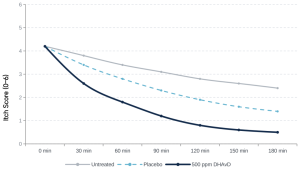
“Condition the surface, reshape the environment.”

INCI NAME ZINC HYDROLYZED COLLAGEN

01 · PLATFORM POSITIONING

A New Perspective on Protein Conditioning

More than hydrolyzed collagen

The value of conventional hydrolyzed collagen centers on conditioning, hydration, and surface interaction. PuriActives® ZnHC adds zinc functionality on top of this peptide platform — building a differentiated ingredient story that extends from skin conditioning to sebum balance and scalp care.

Six directions: skin conditioning · water management · sebum balance · pore appearance · hair-fiber conditioning · scalp care

Figure 01 — Conceptual fusion of two functional platforms. Chemical concept illustration only; not a specific molecular structure.

01 · PLATFORM POSITIONING

What Is Zinc Hydrolyzed Collagen?

Zinc hydrolyzed collagen is the zinc-bound derivative of hydrolyzed collagen peptides — uniting a peptide-rich conditioning base with the functionality of Zn2+.

Controlled hydrolysis

Native collagen is degraded under controlled conditions into lower-molecular-weight peptide fractions — improving processability in aqueous systems and surface-interaction capability.

Zinc binding

Side-chain functional groups on the peptide backbone — carboxyl, amino, and hydroxyl — offer potential coordination environments for Zn2+ ions. No single defined molecular formula is implied.

Figure 02 — From collagen fiber to zinc-bound peptide network. Dashed lines indicate coordination — conceptual illustration, not a structural formula.

01 · PLATFORM POSITIONING

The Functional Architecture of PuriActives® ZnHC

Four functions, one peptide–mineral architecture — across skin, scalp, and hair fiber

Figure 03 — The four-function mechanistic architecture of the PuriActives® ZnHC platform.

02 · COLLAGEN PEPTIDE PLATFORM

Hydrolyzed Collagen — the Functional Peptide Base

Hydrolyzed collagen is not intact dermal collagen, but a mixture of collagen-derived peptide fractions whose performance is expressed at the skin-surface level — hydration, film formation, and conditioning.

Functional Highlights

› Hygroscopic amino-acid and peptide functional groups › Interaction with skin-surface water › Film-forming potential and surface affinity › Softness and conditioned after-feel › Hair-fiber affinity and anti-static performance › Established cosmetic biomaterial compatibility

Figure 04 — Peptide fraction distribution of hydrolyzed collagen (schematic). Topically applied hydrolyzed collagen does not rebuild the dermal collagen network.

“Hydrolyzed collagen acts mainly at the cosmetic contact interface — supporting hydration, conditioning, and surface quality.”

Aguirre-Cruz G, et al. Antioxidants (Basel). 2020;9(2):181. PMID: 32098294.

02 · COLLAGEN PEPTIDE PLATFORM

Water Management in the Stratum Corneum

Figure 05 — The “brick-and-mortar” model of the stratum corneum with a peptide-rich hydrating surface film (schematic).

Benefit Statements

› Supports skin hydration › Enhances softness › Improves conditioned after-feel › Helps reduce the perception of dryness and roughness

1 Collagen-derived peptides → 2 Water association + surface affinity

3 Hydrated interface → 4 Softer / smoother skin feel

A hydrated interface is a surface phenomenon — peptides associate with water and the stratum corneum to improve the conditioned feel of skin.

Supporting evidence: topical collagen literature — see References (03).

03 · ZINC FUNCTIONAL PLATFORM

Zinc — a Trace Element of Biological Significance

Zinc is a multifunctional bio-ion. Its biology spans enzyme catalysis, protein structure, cellular homeostasis, and epidermal function — a breadth rarely found in a cosmetic mineral ingredient.

Figure 06 — The zinc biology network relevant to cosmetic science (overview schematic).

“In cosmetic science, zinc chemistry builds a compelling bridge between skin-surface management and cellular stress biology.”

This page is presented as biological background for cosmetic innovation — not as medical dermatology.

03 · ZINC FUNCTIONAL PLATFORM

Zinc and Dermal-Matrix Stress Biology

Mechanistic evidence from a related zinc salt — in vitro human dermal fibroblasts: mechanistic context for zinc, not ingredient-specific data

Figure 07 — UVA / AP-1 / MMP-1 pathway and zinc intervention nodes, redrawn from the cited literature.

“Appropriately delivered zinc can engage pathways related to collagen homeostasis and photo-stress biology.”

Takino Y, Okura F, Kitazawa M, Iwasaki K, Tagami H. Int J Cosmet Sci. 2012;34(1):23–28. doi:10.1111/j.1468-2494.2011.00676.x — the study used zinc pyrrolidone carboxylate (Zinc PCA), not zinc hydrolyzed collagen.

04 · DIRECT INGREDIENT EVIDENCE

Direct Evidence for Zinc Hydrolyzed Collagen

KR20250138932A

Cosmetic composition comprising hydrolyzed collagen and zinc

Published September 23, 2025 · cited by publication number only

The patent explicitly describes zinc hydrolyzed collagen and benchmarks it directly against hydrolyzed collagen in paired toner, serum, and cream formulations — reporting superior oil-control and pore-related performance at equal addition levels.

Experimental Design

Zinc hydrolyzed collagen vs hydrolyzed collagen — tested across formulation formats: toner · serum · cream

Addition levels evaluated (as % of the tested collagen composition): 0.1% · 1% · 3% · 10%

Compared with matched hydrolyzed-collagen formulas at equal levels, the zinc hydrolyzed collagen formulas performed better on oil-control and pore-related measures.

One of the strongest pieces of ingredient-level direct evidence in this dossier.

Applicant information deliberately omitted; this dossier cites the patent literature by publication number only.

04 · DIRECT INGREDIENT EVIDENCE

Sebum Balance — Direct Ingredient Evidence

Formula-comparison data reported in the patent

Method — as reported in the patent

1 Full-face imaging under standardized conditions  2 T-zone selected for sebum-related analysis

3 ZnHC formula versus matched hydrolyzed-collagen formula  4 Toner, serum, and cream formats evaluated in parallel

Figure 08 — Directional schematic drawn from the comparative sebum evaluation reported in Figure 1 of KR20250138932A. Effect direction per the patent report; axis values not reproduced.

“Across toner, serum, and cream architectures, zinc binding moves hydrolyzed collagen beyond a conditioning position toward a broader oil-balance platform.”

04 · DIRECT INGREDIENT EVIDENCE

Visible Pore Care — a Differentiated Skin Opportunity

Figure 09 — Directional schematic drawn from the pore evaluation reported in Figure 2 of KR20250138932A. Effect direction per the patent report; axis values not reproduced.

Method — as reported in the patent

1 Full-face imaging before / after product use  2 Cheek and nose regions analyzed

3 Pore-related image metrics evaluated  4 ZnHC versus matched hydrolyzed-collagen formulas

From hydration → hydration + pore appearance + sebum balance

Cosmetic Benefit Statements

› Visible pore refinement › Finer-looking skin texture › Oil-balance support › A more refined skin appearance

Cosmetic appearance positioning only — no therapeutic claims such as acne treatment.

04 · DIRECT INGREDIENT EVIDENCE

How Zinc Rewrites the Hydrolyzed-Collagen Story

“From passive conditioning to multifunctional conditioning.”

Functional Dimension Hydrolyzed collagen Zinc hydrolyzed collagen
Hydration & water support ● ●
Surface conditioning & film formation ● ●
Softness & smoothness ● ●
Hair-fiber affinity ● ●
Sebum-management opportunity — ●
Visible pore-care positioning — ●
Zinc-related biological significance — ●
Skin + scalp multifunctionality — ●

The added dimensions are evidence-driven — anchored in the KR20250138932A comparison data and the zinc mechanism literature, not in claim language.

05 · PORE & TEXTURE CARE

Pore Care Is More Than “Astringency”

Five factors behind visible pores

01 Sebaceous gland activity — the flux of oil through the follicle

02 Surface topography — light reflection and micro-texture

03 Hydration status — stratum-corneum hydration and surface plumpness

04 Elasticity & structural support — firmness and recoil around the follicle

05 Follicle structure — the size, shape, and density of pore openings

Figure 10 — Follicle cross-section (schematic). Pore appearance is managed at the surface level; no permanent anatomical change is claimed.

Where ZnHC Fits

Sebum balance + surface conditioning + hydration + skin texture

✓ ”Helps refine the appearance of visible pores”  ✕ ”Closes pores”

Positioning targets the cosmetic appearance of pores — not permanent pore reduction.

05 · PORE & TEXTURE CARE

A Texture Platform for Combination and Oily Skin

Translating scientific language into formulation and marketing language

Target Skin Profiles

Oily · combination · visible pores · rough texture · dehydrated-oily · urban-stressed skin

Balance Sebum-balance support in oily zones

Refine Refinement of visible pores and texture

Hydrate Peptide-based water management

Smooth A softer, smoother conditioned skin feel

Product Concepts for Formulators

› Pore-refining serum › Balancing serum › Lightweight gel-cream › Hydrating oil-control toner › Texture-conditioning treatment › Post-cleanse conditioning essence

Positioning language stays B2B and cosmetic in nature; final claims depend on the finished formulation.

06 · HAIR-FIBER CONDITIONING

From Skin to Hair — Why Protein Affinity Matters

“Hydrolyzed proteins are valued in hair care because low-molecular-weight peptide fractions can interact with damaged keratin surfaces.”

Damaged cuticle — bleaching, heat, and combing lift and erode the cuticle scales.

Peptide adsorption — peptide fractions preferentially adsorb at damaged surface sites.

Conditioned surface — a conditioned surface with improved feel and manageability.

Figure 11 — Peptide affinity at the damaged cuticle (schematic).

Classic substantivity evidence: Turowski A, et al. Substantivity to hair and skin of 125I-labelled collagen hydrolysates under application-simulating conditions. Int J Cosmet Sci. 1985;7:71–84. doi:10.1111/j.1467-2494.1985.tb00398.x

Surface adsorption is a cosmetic conditioning mechanism — not permanent structural repair.

06 · HAIR-FIBER CONDITIONING

Hair-Fiber Conditioning — Surface Science in Practice

Figure 12 — SEM-style cuticle schematic (redrawn illustration, not micrograph data). Peptide deposition preferentially occurs at damaged sites.

Protein-hydrolysate conditioning is a surface materials-science question — deposition, affinity, and film behavior at the fiber surface, unrelated to follicle biology.

Conditioning Outcomes

› Anti-static conditioning › Improved surface feel › Reduced roughness › Better combability › Softness and shine potential › Conditioning of damaged hair

Outcomes Are Modulated By

Molecular-weight distribution · peptide charge and degree of fiber damage · formulation environment · rinse-off versus leave-on contact

06 · HAIR-FIBER CONDITIONING

Damaged Hair Needs More Conditioning

Processing & Treatment Stressors

Bleaching · coloring · perming · heat · UV · mechanical combing

What Increases at the Fiber Surface

Cuticle irregularity · surface friction · porosity · protein loss · static charge · roughness

The Conditioning Response

Peptide-rich conditioning — preferential interaction with damaged surfaces

Improvement in cosmetic surface quality

Supported by the peer-reviewed hair-fiber conditioning literature (see References). Oral collagen-supplementation studies are not used as evidence for topical hair-fiber claims.

07 · SCALP & PORTFOLIO

Scalp Care — Where Skin Science Meets Hair Science

“The scalp is skin — with an active sebaceous environment.”

Figure 13 — Scalp mechanism map: four converging care pathways.

Positioning

› Oily-scalp care › Scalp hydration › Scalp conditioning › Sebum-balance concepts › Scalp comfort › Hair-root environment

Potential Applications

Scalp serums · shampoos · scalp treatments · conditioners · hair masks · leave-on care

No claims are made regarding the treatment of seborrheic dermatitis, hair loss, or dandruff.

07 · SCALP & PORTFOLIO · SIGNATURE

One Ingredient — Two Beauty Territories

“One peptide–mineral platform connecting skin science and hair science.”

08 · FORMULATION & EVIDENCE MAP

Formulation Opportunities

One ingredient, three formulation territories — from daily skincare to targeted scalp and hair systems

Skin Care Scalp Care Hair Care
Toners Scalp essence water Shampoos
Essence waters Scalp serums Conditioners
Serums Balancing lotions Hair masks
Gel-creams Pre-wash treatments Leave-in conditioners
Creams Repair serums / sprays
Masks

Published Formulation Precedent

KR20250138932A evaluated collagen compositions containing zinc hydrolyzed collagen in toner, serum, and cream prototypes at 0.1–10% addition. This range is cited as a published precedent only — it is not the official recommended dosage for PuriActives® ZnHC. Please refer to PuriPharm technical specifications.

08 · FORMULATION & EVIDENCE MAP

Formulator’s Scientific Snapshot

Trade name PuriActives® ZnHC
INCI ZINC HYDROLYZED COLLAGEN
Product platform Zinc-functionalized collagen-peptide conditioning system
Core benefits Skin conditioning · water support · visible pore-care positioning · sebum-balance positioning · hair-fiber conditioning · scalp-care support
Target applications Skin care · scalp care · hair care
Evidence platform Direct patent evidence for zinc hydrolyzed collagen · hydrolyzed-collagen literature · zinc-mechanism literature · hair-substantivity literature

Technical Specifications

pH, solids content, molecular-weight distribution, zinc content, preservation system, appearance, recommended dosage, and stability data are governed by PuriPharm technical documentation. They are deliberately not reproduced in this presentation.

08 · FORMULATION & EVIDENCE MAP

The Evidence Map — from Direct Data to Mechanistic Support

Level 1 — Direct ZnHC evidence KR20250138932A — oil-control and pore-related performance in toner, serum, and cream formulations.

Level 2 — Hydrolyzed-collagen evidence Topical hydration, surface conditioning, skin and hair substantivity (Aguirre-Cruz 2020; Turowski 1985).

Level 3 — Zinc-mechanism evidence Matrix-stress and sebaceous-biology context (Takino 2012 — Zinc PCA, in vitro).

Level 4 — Formulation science Peptide adsorption, hair-fiber interaction, and surface-conditioning science.

Indirect evidence supports mechanism and ingredient-class context — it is not clinical proof of finished-product performance.

08 · FORMULATION & EVIDENCE MAP · ONE-PAGE STORY

PuriActives® ZnHC — the Product Story on One Page

Condition — collagen-derived peptides support the surface quality of skin and hair.

Hydrate — a peptide-rich interface supports water retention and softness.

Balance — zinc functionality extends the platform to sebum and pore care.

Connect — one ingredient linking skin, scalp, and hair-care innovation.

“Peptide conditioning, empowered by zinc.”

09 · REFERENCES

Scientific References

Core literature supporting this dossier, ranked by evidentiary proximity to zinc hydrolyzed collagen

01 KR20250138932A. Cosmetic composition comprising hydrolyzed collagen and zinc. Korean patent publication, September 23, 2025 — cited by publication number only. Ingredient-level direct evidence: comparative oil-control and pore-related evaluation in toner, serum, and cream formulations.

02 Takino Y, Okura F, Kitazawa M, Iwasaki K, Tagami H. Zinc L-pyrrolidone carboxylate inhibits the UVA-induced production of matrix metalloproteinase-1 by in vitro cultured skin fibroblasts, whereas it enhances their collagen synthesis. International Journal of Cosmetic Science. 2012;34(1):23–28. doi:10.1111/j.1468-2494.2011.00676.x

03 Aguirre-Cruz G, León-López A, Cruz-Gómez V, Jiménez-Alvarado R, Aguirre-Álvarez G. Collagen Hydrolysates for Skin Protection: Oral Administration and Topical Formulation. Antioxidants (Basel). 2020;9(2):181. doi:10.3390/antiox9020181. PMID: 32098294

04 Turowski A, et al. Substantivity to hair and skin of 125I-labelled collagen hydrolysates under application-simulating conditions. International Journal of Cosmetic Science. 1985;7:71–84. doi:10.1111/j.1467-2494.1985.tb00398.x

05 Burnett CL, Bergfeld WF, Belsito DV, et al. Safety Assessment of Skin and Connective Tissue-Derived Proteins and Peptides as Used in Cosmetics. International Journal of Toxicology. 2022. doi:10.1177/10915818221104783

For further literature on topical collagen hydrolysates, zinc biology, and hair surface science, see the complete PuriPharm technical dossier.

PuriActives®|Produced by PuriPharm Co. Ltd.

PuriActives® PuriNMF

PURIPHARM CO. LTD. · SCIENTIFIC PRODUCT PRESENTATION · TECHNICAL MARKETING MATERIAL

PuriActives® PuriNMF

Polyamino Sugar Condensate

NMF-Inspired Hydration Conditioning · For Skin and Hair

INCI NAME POLYAMINO SUGAR CONDENSATE

CAS NUMBER 120022-92-6

AUDIENCE Cosmetic R&D · Formulation · Technical Marketing

THE HYDRATION CHALLENGE

Why Hydration Is the Core Question

Why water management matters equally for skin and hair

Skin

A water-gradient tissue. The stratum corneum is driest at the surface, with water content rising toward the viable epidermis; its mechanical softness depends precisely on that water.

Water is lost continuously. Low humidity, seasonal change, and frequent cleansing all make the stratum corneum lose water faster than it can be replenished.

Skin feel tracks hydration. As water content falls, corneocytes lose plasticity — skin feels tight, rough, and no longer supple.

Hair and Scalp

A non-living keratin fiber. Hair cannot repair itself; its softness, flexibility, and manageability are governed by water status and surface condition.

Damage accumulates. Chemical treatments, heat styling, and UV lift the cuticle, increase inter-fiber friction, and alter moisture-uptake behavior.

The scalp is skin too. The same stratum-corneum hydration logic applies where the hair is rooted.

Behind skin feel and hair feel lies one shared variable: the hydration state of keratin.

PRODUCT OVERVIEW

PuriActives® PuriNMF at a Glance

Sugar-derived + amino-acid-derived humectant chemistry in one ingredient system

PuriActives® PuriNMF is a condensed cosmetic ingredient system that unites sugar-derived hydrophilic functionality with amino-acid-derived functionality — designed for water management and conditioning of skin, scalp, and hair.

INCI POLYAMINO SUGAR CONDENSATE
CAS No. 120022-92-6
Positioning NMF-inspired hydration conditioning

Core Benefit Pillars

01 Attracts water

02 Retains water

03 Keratin conditioning

04 Skin softness & suppleness

05 Hair softness & manageability

06 Scalp hydration

07 For rinse-off and leave-on systems

Positioning statement: PuriNMF is designed in line with the biological logic of the natural moisturizing factor (NMF); its chemical composition is not identical to endogenous NMF.

THE INGREDIENT

What Is Polyamino Sugar Condensate?

Ingredient identity, cosmetic function, and ingredient heritage

Ingredient identity — a condensate of sugar-derived and amino-acid-derived structural units, supplied as a single cosmetic ingredient under a single INCI name.

Cosmetic function — humectant and skin-conditioning chemistry: a dense array of polar functional groups provides multiple water-association sites at the keratin interface.

Heritage and safety precedent — a well-established cosmetic ingredient with a long history of use. Its safety was assessed in a published JACT report (1982) and reviewed again in 2023 by the Cosmetic Ingredient Review (CIR) Expert Panel.

Ingredient Identity at a Glance
INCI POLYAMINO SUGAR CONDENSATE
CAS No. 120022-92-6
Ingredient class Sugar–amino-acid condensate
Cosmetic function Humectant · Skin conditioning
Safety precedent JACT 1982 · CIR 2023 re-review

Final Report of the Safety Assessment of Polyamino Sugar Condensate. J Am Coll Toxicol. 1982;1(4):25–32. · Raj PS, et al. Int J Toxicol. 2023;42(3 Suppl):91S–92S.

NMF SCIENCE

NMF: Skin’s Endogenous Moisturizing System

Filaggrin proteolysis generates amino-acid chemistry that locks water into the stratum corneum

Filaggrin → proteolysis in the upper epidermis → release of free amino acids → formation of NMF components such as PCA → water binding within corneocytes → corneocyte plasticity maintained → supple, smooth skin

Layered structure of the epidermis. Illustration: OpenStax, Anatomy & Physiology, Wikimedia Commons, CC BY 4.0.

Positioning note: PuriNMF is an NMF-inspired design — built around amino-acid and sugar humectant chemistry; its composition is not identical to endogenous NMF.

What NMF does: stratum corneum hydration · water retention · keratin flexibility · corneocyte mechanics · surface smoothness

NMF SCIENCE

Amino Acids and Water Binding

NMF composition and its role in keratin hydration

Approximate NMF Composition · Component Share
Free amino acids ≈ 40%
Pyrrolidone carboxylic acid (PCA) ≈ 12%
Lactate ≈ 12%
Sugars ≈ 8.5%
Urea ≈ 7%
Inorganic ions and others Remainder

Approximate shares of NMF dry weight. Source: Rawlings AV, Harding CR. Dermatol Ther. 2004;17(Suppl 1):43–48.

Amino-acid-derived solutes bind water inside corneocytes and keep keratin flexible — the biochemical foundation of a soft, smooth skin surface.

Raman depth profiling: NMF concentrates in the upper stratum corneum. Semi-quantitative NMF concentration versus stratum-corneum depth, placebo (A) versus an NMF-containing formulation (B). Figure: Schleusener J, et al. Molecules. 2021;26(6):1649. DOI: 10.3390/molecules26061649.

Why it matters: the NMF-rich upper stratum corneum is exactly where dryness is felt first. Hydration strategies acting at this interface address the sensory core of dry skin.

NMF SCIENCE

Sugar Chemistry and Hydration

Hydroxyl-rich systems interact with water through dense hydrogen-bonding functionality

Hydroxyl-rich water interaction — sugar-derived units carry dense hydroxyl (–OH) groups. Each –OH can form hydrogen bonds with water molecules, associating water at the keratin interface.

Hygroscopic buffering — sugar-derived systems slow evaporation by lowering surface water activity, helping the stratum corneum hold onto water in dry environments.

Evidence Note — Drying Model

An in vitro Raman desorption study showed that a natural sugar-derived complex — most pronounced in combination with glycerol — increased total, partially bound, and unbound water at the skin surface and at 8 µm stratum-corneum depth over a 6-hour drying period.

Sugar-derived systems can prolong water retention during drying.

Fluhr JW, et al. J Biophotonics. 2023;16:e202200201. DOI: 10.1002/jbio.202200201. Ingredient-class evidence, not PuriNMF product data.

MECHANISTIC MODEL

The PuriNMF Hydration-Conditioning Model

A two-dimensional functional model — from condensate chemistry to conditioned keratin

A functional mechanistic model based on ingredient-class scientific principles — not a chemical structure, and not product-specific efficacy data.

WATER-BINDING SCIENCE

Hydration Is More Than Surface Water

Distinct water states together define stratum-corneum hydration

Tightly bound water — closely associated with the polar sites of keratin and NMF — the structural water that maintains corneocyte plasticity.

Partially bound water — weakly associated, exchangeable water — a buffering pool that responds to the environment and the formulation.

Mobile / unbound water — freely moving water — the first fraction to evaporate, and the hardest to keep without humectant support.

Measurement is key. Confocal Raman microspectroscopy can resolve these water states along stratum-corneum depth — making hydration measurable below the surface.

In vivo confocal Raman spectra of human stratum corneum — fingerprint region (A) and high-wavenumber region (B). The 3,000–3,700 cm⁻¹ water band is the analytical basis for resolving water states.

Formulation implication: ingredients that raise the bound-water fraction — not just total water — support a hydration state that persists between applications.

Figures: Schleusener J, et al. Molecules. 2021;26(6):1649. · Fluhr JW, et al. J Biophotonics. 2023;16:e202200201.

EVIDENCE FOCUS

Water Binding Reaches Below the Surface

In vivo Raman depth profiling of formulations containing NMF components

Relative tightly bound water content versus stratum-corneum depth after placebo (C) and an NMF-component formulation (D), over 14 days of follow-up. Black: untreated control. Figure (panels C–D): Schleusener J, et al. Molecules. 2021;26(6):1649. DOI: 10.3390/molecules26061649. Ingredient-class evidence, not PuriNMF product data.

After twice-daily use of a formulation containing NMF components, tightly bound water increased in the superficial stratum corneum — the zone where dryness is first perceived.

A complementary Raman desorption study points the same way for sugar-derived systems: higher total, partially bound, and unbound water under drying stress.

Key point: NMF and sugar humectant chemistry acts on bound water — below the surface, not merely at it.

Fluhr JW, et al. J Biophotonics. 2023;16:e202200201.

FROM WATER TO TOUCH

From Water Retention to Skin Feel

The mechanical meaning of a hydrated stratum corneum

01 Water associates with the polar sites of keratin and NMF components.

02 Corneocytes swell with water, stay plastic, and resist brittle fracture on bending.

03 The stratum corneum softens — surface roughness and the feeling of tightness recede.

04 Skin feels soft and smooth — the sensory endpoint of hydration.

Lateral (A–B) and lamellar (C–D) organization of intercellular lipids along stratum-corneum depth — Raman-based structural parameters. Figure: Schleusener J, et al. Molecules. 2021;26(6):1649. DOI: 10.3390/molecules26061649.

Barrier context: ordered lateral packing of intercellular lipids locks water in place — hydration and lipid organization work as one system.

SKINCARE POSITIONING

PuriNMF for Skin

Hydration · Softness · Conditioning — a structured skin-benefit platform

A HYDRATIONSupports water attraction and retention at the stratum-corneum interface.

B SOFTNESSMaintains a softer, more supple stratum-corneum feel.

C CONDITIONINGProvides a hydrated surface environment compatible with care concepts for dry, stressed skin.

D POST-CLEANSING COMFORTSuited to cleansing systems where tightness and dryness are formulation challenges.

E NMF-INSPIRED CAREA strong science-marketing bridge to endogenous moisturizing biology.

F DRY-SKIN APPLICATIONSFor dry skin, seasonal dryness, low-humidity environments, frequent cleansing, mature skin, body care, hand care, and barrier-oriented formulations.

One ingredient platform across leave-on skincare and rinse-off cleansing systems.

SKIN — PUBLISHED PRECEDENT

Post-Cleansing Care Applications

Published patent literature on Polyamino Sugar Condensate in topical cleansing/conditioning compositions

EP 0 535 789 A2

Topical cleansing and conditioning compositions

This published application discloses topical cleansing and conditioning compositions containing Polyamino Sugar Condensate, covering its use in skin-cleansing systems with a conditioning benefit. It establishes a direct documentary link between this ingredient and rinse-off skin-conditioning concepts.

What it supports

· Cosmetic humectant use of the ingredient · Skin-conditioning positioning

· Relevance in cleansing formulations · Suitability for rinse-off products

What it is not

· Not clinical evidence for PuriNMF · Not an efficacy study of a PuriPharm finished product

EP0535789A2. Cited as a published formulation precedent; the patentee is deliberately omitted. Patent disclosure ≠ clinical proof.

HAIR SCIENCE

Hair Is a Keratin Fiber

Fiber structure, surface condition, and how damage shows up

SEM of a human hair fiber: overlapping cuticle scales (×1.0k, scale bar 50 µm). Image: CSIRO ScienceImage 8115, CC BY 3.0.

Hair damage can appear as

Lifted cuticle · increased surface roughness · higher friction · altered moisture-uptake behavior · brittleness · loss of flexibility · poor manageability

Hair-fiber cross-section (schematic): cuticle (protective scales) · cortex (keratin-rich matrix) · medulla (when present)

Intercellular regions hold the structure together.

What determines fiber feel is surface condition and moisture behavior — not color or styling.

HAIRCARE POSITIONING

PuriNMF for Hair

Hydration · Softness · Flexibility · Manageability

Water association — supports hydration at the hair-surface interface.

Soft touch — helps maintain a soft feel along the fiber.

Flexibility — a hydrated keratin environment helps improve fiber flexibility.

Manageability — suited to formulations targeting dry, stressed, or chemically treated hair.

Scalp hydration — extends NMF-inspired hydration thinking to scalp care.

Target Formats

Shampoos · conditioners · hair masks · leave-in conditioners · moisturizing mists · hair serums · scalp serums · scalp sprays · scalp masks · pre-wash treatments · dry-hair care · curly-hair care · chemically treated hair care

Cuticle detail, SEM (scale bar 20 µm). Image: Foreade, Wikimedia Commons, CC BY-SA 4.0.

Claim discipline: PuriNMF makes no bond-repair or disulfide-bond-repair claims.

SCALP + HAIR · SIGNATURE

One Hydration Strategy, Two Keratin Systems

HAIR & SCALP — PUBLISHED PRECEDENT

Published Hair/Scalp Precedent

Polyamino Sugar Condensate in documented hair and scalp care compositions

US 5,523,078 A

Hair and scalp care compositions and methods of making

This granted patent applies Polyamino Sugar Condensate in hair and scalp care compositions, disclosing use levels of 0.1–0.25 wt%. It documents an established role for the ingredient in hair and scalp formulation practice.

What it supports

· Hair-conditioning positioning of the ingredient · Scalp-care relevance

· Documented use level: 0.1–0.25 wt% · Precedent across hair/scalp care formats

Important boundaries

· The disclosed range is not PuriPharm’s recommended dosage · A patent disclosure is not clinical evidence for PuriNMF

US5523078A. Cited as a published formulation precedent; the patentee is deliberately omitted. Recommended use levels: see PuriPharm technical documentation.

APPLICATION MATRIX

Application Matrix

One hydration-conditioning platform across skincare, cleansing, scalp, and hair formats

Skin Care

Moisturizing essences · serums · toners · gel creams · moisturizing creams · sheet masks · sleeping masks · body lotions · hand creams

Cleansing

Facial cleansers · cleansing balms · body washes · hand soaps

Positioning: post-cleansing comfort, reduced tightness

Scalp Care

Scalp serums · scalp essences · scalp sprays · pre-wash treatments · scalp masks

Positioning: NMF-inspired scalp hydration, leave-on comfort

Hair Care

Shampoos · conditioners · hair masks · leave-in conditioners · moisturizing mists · hair serums · curly-hair care · chemically treated hair care

Positioning: hydration conditioning, softness, manageability

FORMULATION DESIGN

Building a Complete Hydration System

PuriNMF as the hydration-conditioning core — complementary formulation design

TECHNICAL SNAPSHOT

Formulator’s Technical Snapshot

Verified identity data only — no invented specifications

Item Content
Product name PuriActives® PuriNMF
INCI name POLYAMINO SUGAR CONDENSATE
CAS No. 120022-92-6
Chemical makeup Condensate of sugar-derived and amino-acid-derived structural units
Cosmetic function Humectant · Skin conditioning
Safety precedent J Am Coll Toxicol. 1982;1(4):25–32 · CIR re-review, Int J Toxicol. 2023;42(3 Suppl):91S–92S
Published use-level precedent 0.1–0.25 wt% in hair/scalp compositions (US5523078A) — a precedent, not a recommended dosage
Format compatibility Leave-on and rinse-off systems (per published formulation precedent)

Full technical documentation — appearance, assay, pH, solubility, recommended dosage, process guidance, storage, shelf life, packaging, and preservation — is available on request from PuriPharm Co. Ltd.

WHY PURINMF

Why PuriNMF

The commercial value, in five points

01 NMF-inspired dual chemistry — sugar-derived and amino-acid-derived functionality coexist in one condensate system — distinct from ordinary single-polyol humectants.

02 Two keratin systems — one platform across skin, scalp, and hair — one continuous scientific narrative from facial care to fiber care.

03 An evidence-aligned story — grounded in NMF biology, Raman water-state research, and published patent precedent — with clear boundaries around every claim.

04 Leave-on and rinse-off — from cleansers and shampoos to essences, masks, mists, and scalp care — one ingredient, broad format coverage.

05 Claim discipline — literature-anchored, technically confident language that R&D, regulatory, and brand-science teams can all rely on.

PuriActives® PuriNMF — an advanced hydration-conditioning platform for skin, scalp, and hair.

PURIPHARM CO. LTD.

PuriActives® PuriNMF

Hydration conditioning inspired by NMF biology

Key References

Rawlings AV, Harding CR. Dermatol Ther. 2004;17(Suppl 1):43–48. · Schleusener J, et al. Molecules. 2021;26(6):1649. DOI: 10.3390/molecules26061649. · Fluhr JW, et al. J Biophotonics. 2023;16:e202200201. DOI: 10.1002/jbio.202200201. · Final Report of the Safety Assessment of Polyamino Sugar Condensate. J Am Coll Toxicol. 1982;1(4):25–32. · Raj PS, et al. Int J Toxicol. 2023;42(3 Suppl):91S–92S.

Patents

EP0535789A2 — Topical cleansing and conditioning compositions. · US5523078A — Hair and scalp care.

Image Credits

OpenStax, Anatomy & Physiology (CC BY 4.0) · CSIRO ScienceImage 8115 (CC BY 3.0) · Foreade, Wikimedia Commons (CC BY-SA 4.0).

For technical documentation, samples, and formulation support, please contact PuriPharm Co. Ltd.

NanoActive™ PhytoRetin Duo

NanoActive™ PhytoRetin DuoNano-Encapsulated Dual Botanical Retinoid

Dual-phase botanical smoothing × retinoid-like renewal

Smooth today. Renew tomorrow.

Made with PURISOME® FlexVes™ liposome technology

PuriPharm Co. Ltd. · Innovation for health & beauty · www.puriactives.com

THE ANTI-AGING CHALLENGE · 抗老挑战

Visible skin aging runs on two different clocks

Seconds → hoursThe apparent dimension of aging — seen and felt

· Facial-expression-related skin micro-relief

· Temporary appearance of expression lines

· Surface irregularity and roughness

· The wrinkles consumers notice first — and most want to improve quickly

Weeks → monthsThe structural, biological dimension of aging

· Progressive loss of collagen and extracellular matrix

· Photoaging and cumulative oxidative stress

· Uneven pigmentation, slowed epidermal turnover

· Gradual loss of firmness and smoothness

Effective anti-aging care must answer both clocks — immediately visible smoothing, and progressive biological renewal.

THE CONCEPT · 产品概念

Two botanical strategies, two timelines, one advanced delivery platform

Acmella oleracea extract

Fast-phase botanical smoothing, targeting the appearance of expression lines

Bakuchiol

Renewal phase — retinoid-like collagen and photoaging care

PURISOME®

Nano-liposome platform unifying protection, delivery, and release

PhytoRetin Duo is designed to combine the two strategies — complementary, not redundant.

PRODUCT AT A GLANCE · 产品概览

PhytoRetin Duo at a glance

Item Details
INCI names ACMELLA OLERACEA EXTRACT / BAKUCHIOL
Positioning Dual-phase botanical smoothing × retinoid-like renewal
Technology platform PURISOME® FlexVes™ liposome technology — PuriPharm’s proprietary nano-liposome platform
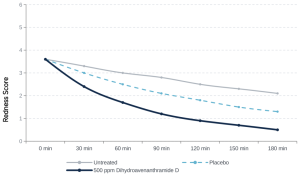

Core benefits Instantly visible smoothing · expression-line appearance care · collagen support · photoaging care · tone and texture improvement
Applications Facial serums · eye care · night repair · sensitive-skin anti-aging · scalp essences

A phospholipid bilayer vesicle encapsulating both botanical actives

Smooth today. Renew tomorrow.

EFFICACY ARCHITECTURE · 功效架构

Why dual-phase anti-aging?

Minutes → days

Instant — the apparent level

· Rapidly and visibly smooths skin micro-relief

· Expression-line appearance care

· Surface refinement consumers can perceive quickly

Driven by Acmella oleracea extract

Weeks → months

Renewal — progressive biological renewal

· Retinoid-like renewal and collagen support

· Extracellular matrix protection and photoaging care

· Gradual improvement in tone, texture, and firmness

Driven by bakuchiol

One ingredient answers today’s mirror; the other invests in tomorrow’s skin.

ACTIVE ONE · FAST PHASE · ACMELLA

Acmella oleracea — plant science and active chemistry

A precision botanical for expression-line appearance.Acmella oleracea (the “electric daisy”) is an Asteraceae plant whose aerial parts are rich in N-alkylamides — most notably spilanthol, which gives the extract its signature sensory and smoothing activity. In cosmetics, the extract is positioned for rapidly visible smoothing and refinement of skin micro-relief, especially in expression-active areas such as the eye contour.

Active chemistry

· Spilanthol (N-isobutyl-2E,6Z,8E-decatrienamide) — the principal alkylamide in the flower heads

· One of the bioactive N-isobutylamides isolated and identified from Spilanthes acmella (synonym of Acmella oleracea)

· Lipophilic character — ideally suited to encapsulation in phospholipid vesicles

Cosmetic positioning:rapidly visible smoothing · expression-line appearance care · refinement of skin micro-relief

Sources: Ramsewak RS, et al. Phytochemistry. 1999;51(6):729–732. · Savić SM, et al. Int J Cosmet Sci. 2025;47(2):362–382. doi:10.1111/ics.13034

ACTIVE ONE · MECHANISM · 机制

Rapid smoothing — the story of expression lines

The biology of expression lines

1 Repeated facial movements create temporary mechanical folds in the skin surface

2 The folds alter skin micro-relief — fine surface lines appear around the eyes and mouth

3 With age and slowing turnover, the temporary creases become increasingly persistent and visible

Ex vivo evidence

In an ex vivo nerve–muscle co-culture model, Acmella oleracea extract produced a rapid, dose-dependent, and fully reversible inhibition of muscle-fiber contraction frequency.

Contractile activity recovered within one hour of washout — supporting a gentle, non-destructive cosmetic mode of action.

This evidence supports cosmetic smoothing claims only — no pharmacological or neuromuscular claims are made.

Acmella extract delivers rapidly perceptible smoothing of expression-line appearance — the “fast” half of the dual-phase strategy.

Source: Demarne F, Passaro G. Use of an Acmella oleracea extract in an anti-wrinkle cosmetic composition. US Patent 7,531,193 B2. 2009.

ACTIVE ONE · CLINICAL EVIDENCE · 临床证据

Acmella — measurable smoothing on human skin

Study design

· Test system: human volunteers, eye-contour and perioral areas

· Design: randomized, split-face, controlled reference

· Test product: serum containing Acmella oleracea extract

· Duration: 2 weeks, twice daily

· Endpoints: hydration, smoothness, roughness, desquamation, wrinkle parameters

+10–40%Skin hydration (p < 0.05)

~+15%Skin smoothness (p < 0.05)

−20–30%Skin roughness (p < 0.05)

~−15%Wrinkle parameters (p < 0.05)

Tolerability:no eye-irritation potential (HET-CAM test), and spilanthol did not permeate porcine-ear skin — supporting a favorable topical safety profile.

Source: Savić SM, et al. Int J Cosmet Sci. 2025;47(2):362–382. doi:10.1111/ics.13034 · Ingredient-level evidence (Grade B) — not finished-product data on PhytoRetin Duo.

ACTIVE TWO · RENEWAL PHASE · BAKUCHIOL

Bakuchiol — the modern botanical retinol alternative

A phenolic monoterpene isolated from the seeds of Psoralea corylifolia. Structurally unrelated to retinoids, bakuchiol is a functional analog of retinol — acting on overlapping renewal pathways without retinol’s signature irritation.

· Retinoid-like gene-expression signature, with an entirely different molecular structure

· Photostable — suitable for morning and evening use

· Antioxidant activity supporting photoaging care

· Clinically demonstrated better tolerability than retinol

Molecular profile

Bakuchiol · phenolic monoterpene (meroterpene)

C₁₈H₂₄O · molecular weight 256.4

Lipophilic — ideally suited to lipid-bilayer encapsulation

“Retinoid-like” describes functional similarity — not retinoic-acid-receptor agonism.

Sources: Chaudhuri RK, Bojanowski K. Int J Cosmet Sci. 2014;36(3):221–230. · Dhaliwal S, et al. Br J Dermatol. 2019;180(2):289–296.

ACTIVE TWO · MECHANISM · 机制

Bakuchiol — renewal across four dimensions

Collagen support — gene-expression studies show up-regulation of collagen types I and IV, and stimulation of type III collagen in mature fibroblasts.

Extracellular matrix protection — supports the dermal matrix environment that underlies firmness and visible wrinkle depth.

Antioxidant defense — proven antioxidant activity against oxidative stress, the central driver of photoaging.

Tone & pigmentation care — clinically observed improvement in the appearance of pigmentation, complementing the anti-wrinkle benefit.

A multi-pathway botanical acting on the structural timeline of skin aging — measured in weeks and months, not minutes.

Sources: Chaudhuri RK, Bojanowski K. Int J Cosmet Sci. 2014;36(3):221–230. · Dhaliwal S, et al. Br J Dermatol. 2019;180(2):289–296.

ACTIVE TWO · MOLECULAR EVIDENCE · 分子证据

A retinoid-like molecular signature

Gene-expression profiling — CHAUDHURI & BOJANOWSKI (2014)

DNA microarray analysis on skin models showed a broad overall similarity between the gene-expression effects of bakuchiol and retinol — despite no structural resemblance between the two molecules. The similarity was confirmed gene by gene and validated at the protein level by ELISA and histochemistry. Key renewal markers — collagens I, III, IV and aquaporin 3 — were all modulated in a retinoid-like direction.

· Microarray — retinoid-like modulation of the skin gene-expression profile

· Protein level — collagen stimulation confirmed by ELISA and histochemistry

· Clinical case — twice-daily use for 12 weeks improved fine lines, wrinkles, pigmentation, elasticity, and firmness

Functional similarity — without retinol-associated adverse effects in this study.

Claim boundary: bakuchiol is described as retinoid-like / retinol-inspired — not as a retinoic-acid-receptor agonist.

Source: Chaudhuri RK, Bojanowski K. Int J Cosmet Sci. 2014;36(3):221–230. doi:10.1111/ics.12117

ACTIVE TWO · CLINICAL EVIDENCE · 临床证据

Head-to-head against retinol — Dhaliwal et al., 2019

Study design

· Design: prospective, randomized, double-blind

· Subjects: 44 (facial photoaging)

· Regimen: bakuchiol 0.5% cream twice daily vs retinol 0.5% cream once daily

· Duration: 12 weeks, assessed at weeks 0/4/8/12

· Endpoints: wrinkle surface area (image analysis), physician-graded pigmentation, tolerability

The two compounds showed no statistically significant difference on wrinkle and pigmentation endpoints. Photoaging improvement was comparable — while the bakuchiol group reported significantly less facial scaling and stinging.

Source: Dhaliwal S, et al. Br J Dermatol. 2019;180(2):289–296. doi:10.1111/bjd.16918 · Ingredient-level evidence (Grade B).

THE DUO SYSTEM · 双活性体系

Two timelines, one active system

Fast phase · Acmella oleracea extract

Rapidly visible smoothing · expression-line appearance care · surface and micro-relief refinement

+

Renewal phase · Bakuchiol

Collagen support · extracellular matrix protection and photoaging care · tone and texture improvement

PhytoRetin Duo — instant + progressive beauty performance

A two-phase strategy built on complementary botanical mechanisms — ingredient-level evidence; no combination-synergy claim is made.

DELIVERY PLATFORM · 递送平台

PURISOME® FlexVes™ liposome technology
PURISOME® is PuriPharm’s proprietary advanced nano-liposome platform, built on more than a decade of nano-delivery R&D and industrialization experience. Both botanical actives are encapsulated within skin-affine phospholipid bilayer vesicles.

01 Encapsulation & protection — protects oxidation- and degradation-prone actives, extending shelf-life stability.

02 Enhanced penetration — promotes interaction with the stratum corneum, deposition, and bioavailability.

03 Sustained release — gradual, controlled release extends contact time with a gentler skin feel.

04 Formulation elegance — improves formulation compatibility and sensory performance.

Phospholipid bilayer vesicle — the PURISOME® carrier structure

PURISOME® SCIENCE · 科学

Why nano-scale lipid delivery?

Fluorescence skin cross-sections — the smaller the lipid vesicle, the deeper it reaches into the skin (particle size decreases a → c). Redrawn from Verma DD, et al. Int J Pharm. 2003;258:141–151.

Particle size determines deposition.Reducing vesicle size increases the total contact area with skin, supporting more efficient delivery into its superficial structures.

Nano-scale carriers distribute between superficial corneocytes and deposit in the skin’s shallow structures.

Large particles stay on the surface; nano-scale vesicles spread, conform, and deposit where they can make a difference.

PURISOME® engineers carriers to the nano scale — because particle size decides how far an active can go.

Source: Verma DD, Verma S, Blume G, Fahr A. Int J Pharm. 2003;258(1–2):141–151. · Delivery-platform literature (Grade C) — the scientific basis of the PURISOME® approach.

PURISOME® SCIENCE · 科学

Skin-affine phospholipid delivery

Barrier interaction — phospholipid vesicles are structurally compatible with the skin’s own lipid environment, adsorbing to and interacting with the stratum-corneum lipid matrix.

Sustained delivery — encapsulated actives release progressively at the skin surface and in shallow structures — extending contact time and smoothing transient concentration peaks.

Moisture-support film — a continuous nano-scale lipid film supports the barrier’s water-retention function.

The smaller the particles, the more continuous the surface film formed by lipid nanoparticles — effective surface coverage and contact increase accordingly.

A carrier built in the skin’s own chemical language — welcomed, not resisted.

Sources: Cevc G, Blume G. Biochim Biophys Acta. 1992;1104:226–232. · Honeywell-Nguyen PL, et al. Adv Drug Deliv Rev. 2004;56(5):603–631. · Delivery-platform literature (Grade C).

PURISOME® SCIENCE · 科学

The follicular reservoir and targeted delivery

Follicular deposition concept — surface (a), infundibulum (b), and deep-follicle (c) delivery zones. SC: stratum corneum · E: epidermis · D: dermis. Redrawn from Patzelt & Lademann.

The hair follicle as a reservoir and shunt pathway for lipid carriers of suitable particle size.

A size-selective pathway — nanoparticles can enter open hair follicles; in porcine-skin models, nm-scale particles reached the deepest follicular regions, driven by a “gear-pump” effect of hair movement.

A built-in reservoir — particles deposited in follicles can be stored for days, supporting prolonged local release of encapsulated actives.

Scalp relevance — high follicular density makes the scalp a natural target for follicular delivery — a technical rationale for premium scalp essences.

Sources: Patzelt A, et al. Eur J Pharm Biopharm. 2011;77(3):427–436. · Lademann J, et al. Skin Pharmacol Physiol. 2007;20(5):232–238. · Vogt A, et al. J Invest Dermatol. 2006;126(6):1316–1322. · Delivery-platform literature (Grade C).

COMMERCIAL OPPORTUNITY · SKINCARE APPLICATIONS

Skincare applications

· Anti-aging serums — the flagship format of the dual-phase positioning

· Eye care — crow’s-feet smoothing + progressive renewal

· Expression-line serums — precision care for high-movement areas

· Premium night serums — the overnight renewal narrative

· Retinol-alternative products — botanical renewal without retinol irritation

· Sensitive-skin anti-aging — a gentle renewal positioning

· Brightening + anti-aging — pigmentation care combined with anti-wrinkle care

· Neck & décolleté care — smoothing care for delicate expression zones

One active system — an entire premium anti-aging product line.

COMMERCIAL OPPORTUNITY · SCALP & HAIR

Scalp & hair care opportunities

Positioning within strict evidence boundaries

· Scalp renewal — bakuchiol’s retinoid-like renewal logic extends naturally to scalp skin

· Antioxidant scalp care — defending the follicular microenvironment against oxidative stress

· Healthy scalp environment — conditioning and barrier support

· Scalp anti-aging concept — the scalp ages like facial skin, yet rarely receives the same care

· Premium scalp-essence positioning — a differentiated, science-driven story

The PURISOME® scalp advantage

The scalp carries the highest density of terminal hair follicles in the human body.

PURISOME® nano-lipid carriers are sized within the range indicated by follicular-delivery literature, depositing in the follicular reservoir — enabling prolonged, localized release at the follicle.

Evidence discipline: the scalp positioning is built on ingredient-level skin evidence and delivery-platform rationale. No direct human hair-growth claim is made for either active.

Sources: Patzelt A, et al. Eur J Pharm Biopharm. 2011;77(3):427–436. · Lademann J, et al. Skin Pharmacol Physiol. 2007;20(5):232–238.

FOR FORMULATORS · 致配方师

Formulation opportunities

PURISOME® encapsulation is designed for formulation compatibility and sensory elegance, allowing PhytoRetin Duo to fit a broad range of leave-on formats.

Serumslight daily care Essenceslayered routines Creamsrich barrier formats Lotionsface & body
Eye productsexpression-zone care Scalp essencesfollicle targeting Leave-on scalp carereservoir release Night repairrenewal ritual

Recommended use level, pH range, process conditions, and full INCI composition: see PuriPharm TDS/PDS technical documentation (available on request).

BRAND LANGUAGE · CLAIM ARCHITECTURE

Claim architecture

Instant claim“Rapidly and visibly smooths the appearance of expression lines”

Progressive claim“Retinoid-like renewal — collagen support and photoaging care”

Technology claim“Advanced phospholipid delivery, sustained release”

Consumer language“Smooth today. Renew tomorrow.”

Every claim layer maps to a defined evidence grade — ingredient-level clinical data, platform literature, or mechanistic rationale — keeping marketing language permanently aligned with scientific support.

WHY PHYTORETIN DUO · 商业价值

Why choose PhytoRetin Duo?

01 A differentiated dual-phase story — instant smoothing and progressive renewal in one active, built on two complementary botanicals.

02 Clinical evidence support — bakuchiol’s 12-week randomized double-blind head-to-head against retinol; in-vivo human smoothing data for Acmella.

03 Proprietary delivery platform — PURISOME® FlexVes™ liposome technology for protection, penetration support, and sustained release.
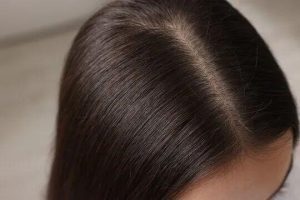
04 Formulation versatility — one encapsulation system serving facial, eye, night-repair, and scalp-essence product lines.

05 A marketing-ready narrative — “Smooth today. Renew tomorrow.” translates complex science into a claim architecture consumers understand.

APPLICATION MATRIX · 创新平台

Application matrix — skin & scalp

Category Fast-phase role (Acmella) Renewal-phase role (bakuchiol) Platform role (PURISOME®)
Anti-aging serum Rapid smoothing of micro-relief Collagen support and photoaging care Stability + sustained release
Eye care Crow’s-feet appearance care Firmness and texture improvement Gentle delivery for delicate areas
Night repair Overnight surface refinement Progressive retinoid-like renewal Extended contact, low-peak exposure
Scalp essence Scalp surface conditioning Scalp renewal and antioxidant care Follicular-reservoir targeting

All roles shown are evidence-based positionings — intended to combine synergistically within the same formulation system.

PURIPHARM CO. LTD. · 浦瑞生物医药

Botanical wisdom, advanced delivery, dual-phase renewal.

NanoActive™ PhytoRetin Duo — Smooth today. Renew tomorrow.

PuriPharm Co. Ltd.

Building 6, 1366 Hongfeng Road, Huzhou, Zhejiang, China · www.puriactives.com · +86 572-2745768

Key scientific literature

Dhaliwal S, et al. Br J Dermatol. 2019;180(2):289–296. · Chaudhuri RK, Bojanowski K. Int J Cosmet Sci. 2014;36(3):221–230. · Savić SM, et al. Int J Cosmet Sci. 2025;47(2):362–382. · Demarne F, Passaro G. US Patent 7,531,193 B2. 2009. · Ramsewak RS, et al. Phytochemistry. 1999;51(6):729–732. · Verma DD, et al. Int J Pharm. 2003;258:141–151. · Cevc G, Blume G. Biochim Biophys Acta. 1992;1104:226–232. · Patzelt A, et al. Eur J Pharm Biopharm. 2011;77(3):427–436. · Lademann J, et al. Skin Pharmacol Physiol. 2007;20(5):232–238. · Vogt A, et al. J Invest Dermatol. 2006;126(6):1316–1322.

© 2026 PuriPharm Co. Ltd. — For B2B professional communication only.